
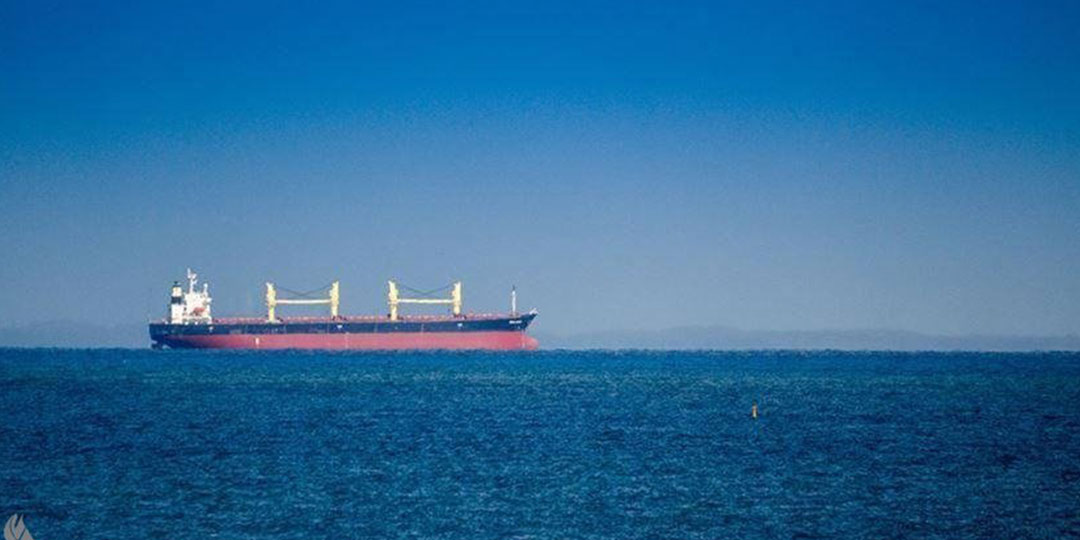

Vessel tracking data indicates a liquefied natural gas tanker operated by UAE’s ADNOC successfully transited the Hormuz Strait en route to India, marking the first laden LNG carrier to cross the strategic waterway since military escalation with Iran. The 136,357-cubic-meter capacity vessel halted signal transmission for weeks to avoid targeting or seizure before reappearing off India’s western coast. This development coincides with Iran’s resumption of Mahan Air flights from Tehran to Moscow for the first time since February 26, following phased reopening of Iranian airspace announced April 18.
These parallel developments signal gradual improvement in security conditions and restoration of normal commercial and civil aviation operations. Iran’s Civil Aviation Organization announced phased restoration of air operations based on technical and operational readiness of both military and civilian sectors. The simultaneous resumption of maritime shipping and international flights suggests a cautious return to regional stability and renewed confidence in international commerce and travel through previously disrupted corridors.
First LNG Tanker Successfully Crosses Hormuz Strait
Shipping data confirmed a significant breakthrough in maritime commerce. Tracking information showed: “An LNG tanker operated by UAE’s ADNOC successfully transited the Hormuz Strait.”
The data confirmed: “If verified, this would be the first laden LNG carrier to cross the strait since military escalation began with Iran.”
Details of the Vessel and Transit
The vessel characteristics reveal:
- Operator: ADNOC Supply and Services (United Arab Emirates)
- Capacity: 136,357 cubic meters
- Last Gulf Signal: March 30
- Current Position: Off India’s western coast
- Route: Hormuz Strait transit after signal blackout period
Maritime Evasion Techniques in Contested Waters
Commercial vessels employ sophisticated avoidance methods. Data indicated: “Ships in the Gulf region use evasion tactics including signal transmission cessation or false identification numbers to avoid targeting or seizure.”
Methods of Evasion and Risk Management
Employed techniques include:
- Signal Suppression: Ceasing transmission of vessel location
- False Identification: Using fabricated registration data
- Route Variation: Circumnavigating identified hazard zones
- Speed Modulation: Altering movement patterns
- Radar Silence: Non-responsiveness to communications
Other Vessel Transit Attempts
Multiple vessels attempted passage during the crisis period. Data showed: “Several Qatari gas tankers attempted transiting the strait twice in April without success.”
However: “An empty Omani LNG tanker successfully crossed the strait earlier this month.”
Success and Failure Patterns in Transits
The attempts revealed:
- Partial Success: Some vessels succeed, others fail
- Ongoing Risk: Strait remained hazardous for commerce
- Empty Advantage: Unladen tankers pass more easily
- Gradual Improvement: Success rates increasing over time
- Confidence Building: Each successful transit reduces future vessel reluctance
Iran Resumes International Air Service to Moscow
Iran restored aviation connectivity with Russia. Moscow’s Sheremetyevo Airport announced: “A Mahan Air flight from Tehran to Moscow departed today, the first such service since February 26.”
Significance of Flight Resumption
The resumption demonstrates:
- Improved Security Environment: Military escalation has diminished
- Airspace Confidence: Iran regains confidence in sky safety
- Iran-Russia Strengthening: Reinforcing bilateral partnership
- Return to Normalcy: Restoration of international connectivity
- Global Trust Signals: International aviation resuming operations
Iranian Airspace Closure and Phased Reopening
The crisis began with complete closure. Authorities stated: “Air routes along this corridor halted following Iranian airspace closure due to military escalation in late February.”
Phases of Airspace Reopening
The process occurred incrementally:
Complete Closure Phase:
- Iran closed entire airspace
- International flights suspended
- All aviation connectivity severed
Partial Reopening Phase:
- April 18: Eastern airspace reopened
- Limited domestic flights allowed
- Gradual service restoration began
Progressive Resumption Phase:
- International flights resuming
- Global airlines returning
- Full connectivity restoration underway
Iran’s Civil Aviation Organization Oversight
The aviation authority announced a phased restoration plan. Officials stated: “Partial opening of eastern airspace occurred on April 18,” and “Air operations at nation’s airports will resume gradually based on technical and operational readiness of military and civilian sectors.”
Criteria for Airspace Reopening
The plan depends upon:
- Technical Readiness: Functional air traffic control systems
- Operational Capability: Available human and financial resources
- Military Coordination: Military approval for flight operations
- Civil Coordination: Coordination with civilian authorities
- Service Provision: Capacity for safe service delivery
Indicators of Improving Security Environment
Developments suggest tangible security improvements:
Maritime Sector Improvements:
- Return of commercial gas tankers
- Restoration of shipping lanes
- Enhanced maritime safety confidence
- Reduced vessel insurance costs
Aviation Sector Improvements:
- Resumption of international flights
- Phased airspace reopening
- Return of global carriers
- Increased airline confidence
Economic Sector Improvements:
- Investment restoration beginning
- Capital repatriation
- Employment opportunities
- Renewed business confidence
Iran-Russia Strategic Partnership Strengthening
Flight resumption reflects importance of bilateral relations:
Russian Perspective:
- Interest in normalizing ties
- Need to strengthen partnerships
- Seeking regional stability
Iranian Perspective:
- Dependence on Russian support
- Strengthening strategic partnerships
- Seeking regional balance
Mutual Implications:
- Bilateral relationship reinforcement
- Economic cooperation expansion
- Mutual support in international forums
Broader Context of Russian-Ukrainian War
These developments occur within:
Russian-Ukrainian Conflict:
- Ongoing military operations in Ukraine
- Altered international relations
- Realigned geopolitical alliances
Iran-U.S. Tensions:
- Continued economic pressures
- Ongoing diplomatic efforts
- Possible settlement prospects
Middle Eastern Stability:
- Relative improvement in conditions
- Economic relationship restoration
- Regional trade recovery
Energy Market Impact of Normalization
These developments may affect global markets:
Oil Price Effects:
- Potential Iranian export restoration
- Increased global supply
- Possible price moderation
- Market stabilization
Natural Gas Effects:
- Emirati gas export resumption
- Increased supply availability
- Potential price stabilization
- Market confidence recovery
Energy Market Implications:
- Enhanced market stability
- Improved future expectations
- Greater investment confidence
Remaining Challenges and Uncertainties
Despite positive developments, significant challenges persist:
Security Challenges:
- Continued underlying tensions
- Risk of renewed escalation
- Incomplete stability achievement
Economic Challenges:
- Economic sanctions remain in effect
- Iranian economy still damaged
- Reconstruction needs substantial
Diplomatic Challenges:
- Negotiations remain ongoing
- Deep disagreements persist
- Comprehensive solution still needed
International Commercial Confidence
These developments affect global business:
Shipping Industry:
- Renewed confidence in Hormuz transit
- Insurance premium normalization
- Increased vessel movements expected
Airline Industry:
- Confidence in Iranian airspace restoration
- Return of international carriers expected
- Passenger traffic resumption
Investment Community:
- Renewed interest in regional projects
- Capital deployment expectations
- Business opportunity identification
Role of Regional Actors
Multiple players influence stability:
United Arab Emirates:
- ADNOC shipping operations
- Economic interests in trade
- Regional stability stake
Qatar:
- Gas sector interests
- Mediation efforts
- Regional stability interests
Russia:
- Strategic partnership with Iran
- Energy market interests
- Geopolitical positioning
International Implications of Stability
Regional stability has global consequences:
Energy Security:
- Global oil and gas supplies affected
- Price stability for consumers
- Economic growth implications
Trade Corridors:
- Critical shipping routes affected
- Global commerce implications
- Supply chain stability
Geopolitical Balance:
- Regional alignment impacts
- Great power competition
- International order implications
Conclusion:
The successful transit of an LNG tanker through the Hormuz Strait and Iran’s resumption of flights to Moscow represent significant indicators of improving security conditions and gradual return to normalcy in the region. These developments signal cautious optimism regarding commercial shipping reliability and civil aviation safety through previously disrupted corridors.
However, these partial improvements should not obscure deeper, unresolved tensions. Iran-U.S. hostilities persist, economic sanctions remain in effect, and diplomatic negotiations remain in early stages. The critical insight is that all parties increasingly recognize that continued escalation serves no one, and that relative stability and dialogue offer preferable alternatives to military confrontation and economic chaos.
The coming weeks and months will determine whether these developments represent sustained trajectory toward genuine regional stability or merely a temporary pause before renewed escalation. The careful, phased reopening of Iranian airspace and gradual return of commercial shipping suggest cautious optimism, yet vigilance remains warranted regarding the fundamental sources of regional tension.