
The restart of the world’s largest nuclear power plant, Kashiwazaki-Kariwa, was suspended on Thursday after a technical malfunction, its operator announced.
The Tokyo Electric Power Company (TEPCO) stated that it does not have a timeline for when the problem will be resolved. The facility, located in Niigata province, had been inactive since the 2011 Fukushima disaster but had received regulatory approval to resume operations, which began on Wednesday.
However, TEPCO confirmed on Thursday that “an alarm from the monitoring system… sounded during the reactor startup procedures,” leading to the suspension.
“We don’t expect this to be solved within a day or two. There is no telling at the moment how long it will take,” site superintendent Takeyuki Inagaki said at a news conference, adding that the company’s full focus is on identifying the cause.
A spokesman told AFP that the alarm led to an investigation of malfunctioning electrical equipment. Control rods, which are used to manage the nuclear chain reaction, were reinserted into the reactor core as a planned safety measure. TEPCO stated the reactor “is stable and there is no radioactive impact outside.”
The restart had already been delayed from Tuesday due to a separate technical issue related to the control rods that was reportedly resolved on Sunday.
The Kashiwazaki-Kariwa plant is the first facility operated by TEPCO to attempt a restart since the 2011 earthquake and tsunami caused meltdowns at its Fukushima Daiichi plant. Japan has been seeking to reactivate its atomic energy sector to decrease reliance on fossil fuels and meet its 2050 carbon neutrality targets.
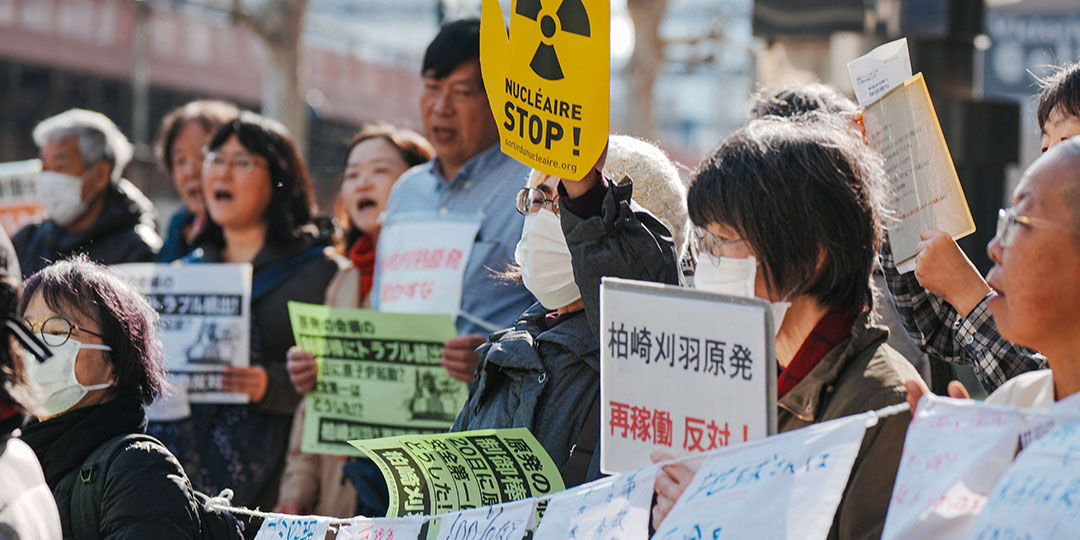
Public opinion in the region is divided. A September survey found that around 60 percent of Niigata residents oppose the restart, while 37 percent support it. Opponents cite significant safety risks, noting that the plant is situated on an active seismic fault zone and was struck by a major earthquake in 2007.