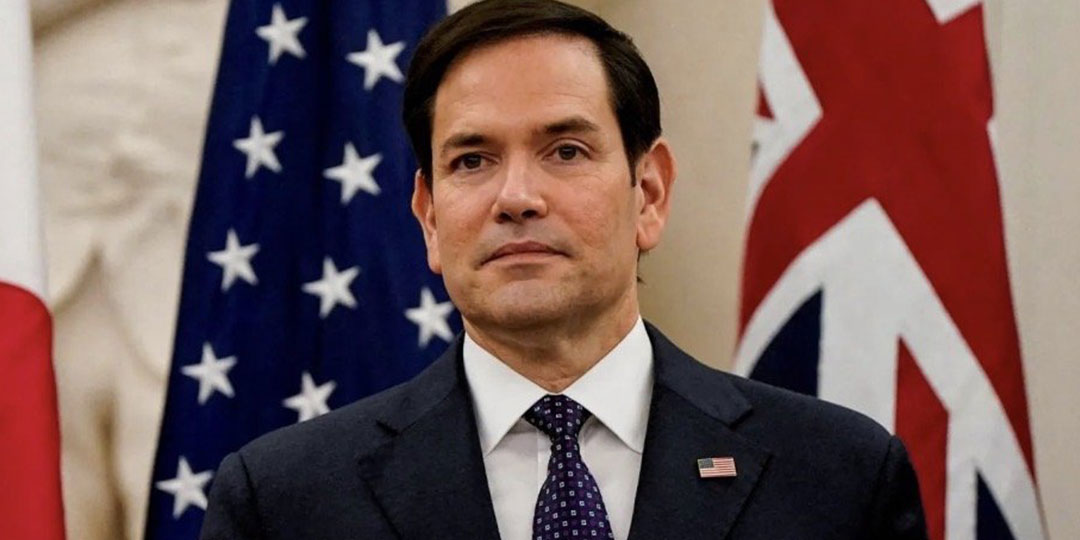

US Secretary of State Marco Rubio said Friday that Washington is working toward an agreement with Iran to open the Strait of Hormuz and ensure Tehran abandons its nuclear ambitions. He noted signs of progress in the talks and said contingency plans exist if Iran refuses to keep the waterway open. In parallel, NATO Secretary General emphasized the need to guarantee freedom of navigation in the strategic strait.
The statements underscore growing international focus on maritime security in the Gulf.
US seeking deal to open Strait of Hormuz
Rubio told reporters: “We are working to reach an agreement with Iran to open the Strait of Hormuz and for it to give up its nuclear program.”
He said ensuring freedom of navigation and preventing threats to international shipping are top US priorities.
The Strait of Hormuz is a critical artery for global energy supplies.
Core elements under discussion
A potential agreement could include:
- Keeping the Strait of Hormuz open to all shipping
- Limits on Iran’s nuclear program
- Security guarantees
- De-escalation measures
Contingency plan if Iran refuses
Rubio added: “We must have an alternative plan if Iran refuses to open the Strait of Hormuz.”
While he did not detail the plan, he signaled Washington’s readiness to act if diplomacy fails.
He reiterated that imposing transit fees in the strait would make a diplomatic deal impossible.
US position on transit fees
Washington maintains that:
- Charging transit fees would be unacceptable
- Freedom of navigation is protected by international law
- Any such move would undermine negotiations
- Global trade cannot be subjected to coercion
Signs of progress in negotiations
Rubio confirmed “some progress” in ongoing talks with Iran.
He said the United States is doing everything possible to secure a good agreement, which remains President Donald Trump’s preferred option.
Direct contacts and third-party mediation are continuing.
Role of Pakistan and other partners
Rubio noted coordination with several countries and identified Pakistan as a key mediator.
He said the US does not require assistance but would accept constructive help.
Pakistan has been involved in relaying proposals between the parties.
NATO stresses need to keep Hormuz open
NATO Secretary General Mark Rutte said it is essential to ensure the Strait of Hormuz remains open to navigation.
He stated that foreign ministers agreed on the importance of safeguarding maritime freedom and providing support where necessary.
Rutte warned that attacks on navigation affect all countries.
NATO’s broader security stance
The alliance:
- Supports freedom of navigation
- Coordinates with regional partners
- Maintains unity against threats
- Is increasing defense spending and capacity
Strategic importance of the Strait
The Strait of Hormuz carries a significant share of the world’s seaborne oil and gas shipments.
Any disruption could drive up energy prices, strain supply chains, and impact global markets.
Ensuring its openness remains a priority for energy-importing nations.
Economic implications
A closure or restriction could lead to:
- Higher oil prices
- Increased shipping insurance costs
- Volatility in global markets
- Broader geopolitical tensions
Conclusion:
Rubio’s remarks about working toward an Iran deal to open the Strait of Hormuz reflect Washington’s focus on maritime security and nuclear constraints. While some progress is reported, contingency planning remains in place. NATO’s call to guarantee navigation underscores the strait’s global importance. The outcome of negotiations will be pivotal in determining regional stability and the uninterrupted flow of international trade.