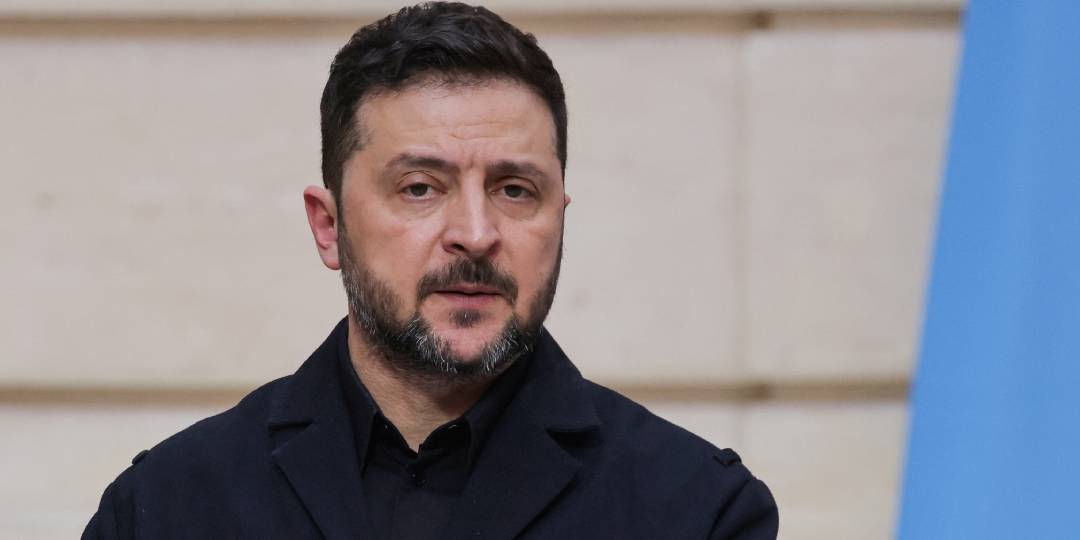

Ukraine and Saudi Arabia signed a comprehensive air security agreement Friday, enabling Riyadh to benefit from Kyiv’s globally recognized expertise in countering hostile drone attacks. The agreement was signed during an unannounced visit by Ukrainian President Volodymyr Zelenskyy to the kingdom, where he met with Saudi Crown Prince Mohammed bin Salman. The pact reflects a shared strategic commitment between the two nations to address escalating Iranian and Russian aerial threats. Ukraine seeks to convert hard-won experience from four years of war into operational capabilities protecting regional allies facing similar threats.
The timing of the agreement coincides with intensifying drone and missile attacks across the Gulf region, underscoring the urgency of enhanced defensive capabilities.
Details of the Agreement and Strategic Objectives
According to officials briefed on the matter who requested anonymity, the agreement focuses on transferring and developing Ukrainian air defense systems. One official stated: “The objective of the agreement is for Ukraine to contribute to developing all necessary components of air defense to counter Iranian Shahad drones and other aerial threats.”
The agreement extends beyond simply transferring existing technologies. It encompasses building an integrated system combining air defense components with Ukrainian expertise, artificial intelligence, and data analysis elements necessary to counter Shahad drones and other unmanned platforms.
Ukrainian Expertise in Counter-Drone Defense
Kyiv has developed a sophisticated mix of defensive capabilities to counter the persistent threat of Russian drone attacks:
Low-cost interception systems – Innovative and cost-effective technology proven effective against multiple drone types
Electronic warfare capabilities – Disrupting guidance and communication systems of incoming drones
Anti-aircraft artillery – Traditional weapons but effective when coordinated with modern systems
Artificial intelligence systems – Rapid target analysis and decision-making automation
Data analysis networks – Attack prediction and coordinated response protocols
Kyiv promotes its defensive systems as the world’s most effective counter-drone capabilities, forged through years of intensive defensive operations.
Ukrainian Challenges and Mutual Benefits of Cooperation
Ukraine has faced relentless Russian drone attacks using Iranian-made Shahad drones for over four years, particularly in nighttime strikes targeting cities and civilian infrastructure. Out of necessity and limited resources, Kyiv developed advanced defensive systems now recognized globally as highly effective.
Ukraine has proposed to Saudi Arabia replacing some low-cost interception systems with expensive air defense missiles currently used by Gulf states against drones. In exchange, Ukraine seeks additional air defense missiles desperately needed to counter escalating Russian missile attacks.
Mutual Advantages and Strategic Partnership
Zelenskyy stated: “We are ready to share our experience and systems with Saudi Arabia. The kingdom also possesses capabilities that interest Ukraine, and this cooperation can be mutually beneficial.”
This position reflects Ukrainian desire to build practical partnerships beyond simply receiving military aid, instead pursuing genuine technology and experience exchange.
Ukrainian Experts Deployed in Saudi Arabia
President Zelenskyy met with Ukrainian specialists in drone counter-measures deployed in the Saudi kingdom. The deployment followed American and Israeli strikes on Iran, which responded with drone and missile attacks against targets in the Gulf region.
Zelenskyy stated: “Even in this short period, Ukrainian experts have been able to provide extensive expertise. Ukrainian experience is unique and recognized as such, which is why everyone is interested in our technologies and capabilities.”
Regional Context: Iranian Drones and Gulf Security Threats
Gulf states, particularly Saudi Arabia, Kuwait, and the UAE, face escalating threats from Iranian-manufactured drones. Iran has employed Shahad-model aircraft in multiple attacks on regional targets, the same platform Russia uses against Ukraine.
The Ukraine-Saudi cooperation reflects a shared strategy to counter Iran’s growing regional influence and military capabilities.
Kuwait’s Shuwaikh Port Attacked by Hostile Drones
In a simultaneous development, Kuwait’s main Shuwaikh Port was attacked by hostile drones early Friday, causing significant material damage but no casualties, according to the Kuwaiti Ports Authority.
The authority stated: “Shuwaikh Port was attacked this morning by hostile unmanned aircraft,” adding that “preliminary reports revealed material damage with no casualties.”
Coordinated Attacks on Kuwaiti Infrastructure
The attacks extended beyond Shuwaikh Port alone. Kuwait’s Public Works Ministry announced that Mubarak Al-Kabir Port, still under construction in the country’s north, also came under “dual attack by drones and missiles” early Friday morning.
The attacks resulted in “material damage with no casualties,” but indicate coordinated targeting of critical Kuwaiti infrastructure.
Strategic Significance of the Agreement in Current Context
The Ukraine-Saudi air defense pact arrives at a critical moment of regional tensions. With persistent Iranian and Russian drone threats, Gulf states seek to strengthen defensive capabilities.
Choosing Ukraine as a strategic partner in this domain reflects global recognition of Kyiv’s defensive expertise, particularly following four years of intensive defensive operations that have generated extensive practical experience.
Importance of Actual Ukrainian Participation
The agreement extends beyond theoretical information exchange. The presence of Ukrainian experts on the ground in Saudi Arabia provides:
Direct practical training on defensive systems
Technical consultations tailored to Saudi-specific requirements
Real-time skills and experience transfer
Ongoing system development and optimization
Immediate operational effectiveness assessment in Gulf environment
Geopolitical and Diplomatic Dimensions
The unannounced nature of Zelenskyy’s visit and the rapid agreement signing suggest high political sensitivity. The move reflects:
Strategic convergence between Ukraine and Saudi Arabia despite geographic distance
International recognition of Ukrainian technological and defensive capabilities
Clear identification of Iranian threat as common denominator
Political messaging to Russia and Iran regarding Gulf-Ukrainian cooperation
Broader Implications for Regional Security Architecture
The agreement signals potential reconfiguration of regional security partnerships. Ukraine’s integration into Gulf defense systems represents:
Diversification of security partnerships beyond traditional Western sources
Enhancement of regional defensive sovereignty
Practical counter-balance to Iranian influence
Precedent for technology-sharing agreements among non-traditional allies
Challenges and Future Development
While the agreement marks significant progress, implementation faces challenges:
Integrating Ukrainian systems with existing Saudi infrastructure
Training personnel on unfamiliar technologies
Adapting systems to Gulf environmental conditions
Ensuring cybersecurity and classified technology protection
Coordinating logistics and supply chains across continents
Conclusion:
The air security agreement between Ukraine and Saudi Arabia represents a significant strategic development reflecting evolving international relations and diplomatic realities. Saudi Arabia’s utilization of Ukrainian drone-defense expertise arrives as the region faces escalating threats. The coordinated drone and missile attacks on Kuwait on the same day demonstrate urgent need for advanced defensive capabilities. The partnership between the two nations reflects shared commitment to building sophisticated defense systems protecting critical infrastructure and civilians from mounting aerial threats. This cooperation may establish a model for technology transfer and expertise sharing among nations facing similar security challenges, transcending traditional Cold War alliance structures.