
German Foreign Minister Jochann Wadephol predicted Friday that the United States and Iran will hold direct negotiations “very soon” in Pakistan, indicating that diplomatic preparations for substantive talks have advanced significantly despite continued military operations in the Middle East. Wadephol stated that indirect communications between Washington and Tehran have already occurred and that preparations for direct meetings have been completed, with Pakistan emerging as preferred venue for high-level negotiations. The German foreign minister’s statements suggest that despite public declarations from both sides that negotiations are not occurring, substantial behind-the-scenes diplomatic work has progressed toward establishing framework for direct talks between principal adversaries.
The predictions of imminent direct negotiations represent significant diplomatic development suggesting that despite military escalation and public rhetoric rejecting talks, both United States and Iran are pursuing negotiated settlement through indirect and direct diplomatic channels.
German FM Forecasts Imminent Direct Talks in Pakistan
German Foreign Minister Jochann Wadephol stated Friday that he expected direct US-Iran negotiations to occur “very soon” in Pakistan, based on his knowledge of ongoing diplomatic preparations. Wadephol stated: “According to my information, indirect communications have taken place. Direct meetings have also been prepared,” indicating that negotiations are at advanced stage of diplomatic preparation.
The German foreign minister’s prediction suggests that Pakistan has successfully established itself as acceptable venue for US-Iran direct talks, with both sides agreeing to participate in negotiations on Pakistani territory.
Pakistan’s Role as Diplomatic Intermediary
Wadephol’s identification of Pakistan as venue for direct talks reflects Pakistan’s established role as intermediary between United States and Iran. Pakistan has historically maintained diplomatic relations with both countries despite regional tensions, positioning itself as potential mediator for discussions between principal adversaries.
Indirect Communications Already Occurring
Wadephol’s statement that “indirect communications have taken place” indicates that US and Iranian delegations have already established communication channels through intermediaries. The existence of ongoing indirect talks suggests substantive diplomatic work has progressed beyond initial contact phases to actual exchange of proposals and positions.
Intermediary Role in Diplomatic Process
The occurrence of indirect communications through intermediaries represents standard diplomatic practice for states in conflict. Indirect talks allow both sides to explore negotiating positions and exchange proposals without committing to direct engagement that might undermine domestic political positioning.
German FM Expects US-Iran Direct Meetings Confirmation
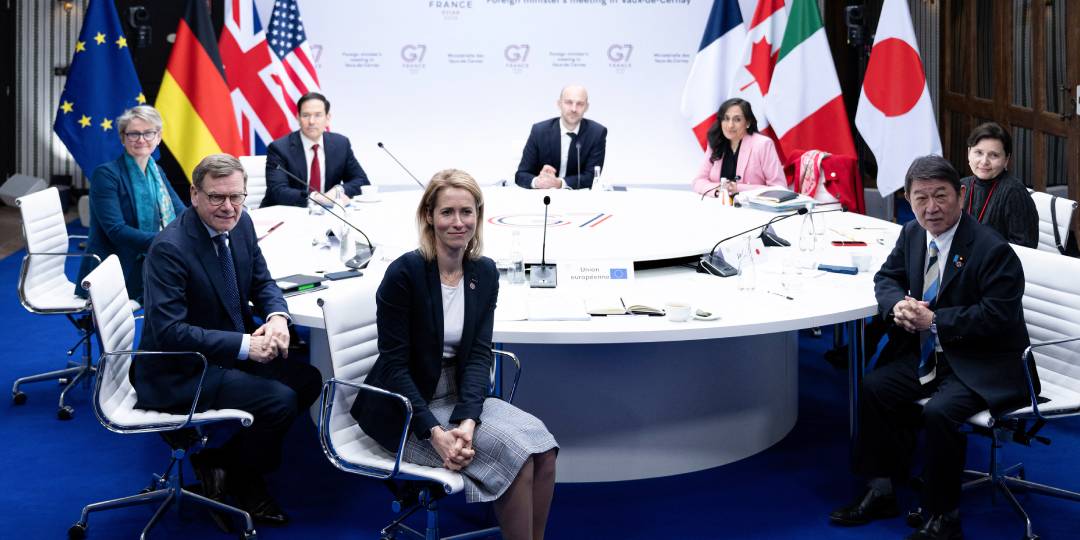
Wadephol stated that he anticipated US State Secretary Marco Rubio would provide additional details regarding “the American approach and interests” in the war during the G7 foreign ministers meeting. The statement suggests that Wadephol expected Rubio to provide updated briefing on American diplomatic initiatives regarding Iran negotiations.
The expectation that Rubio would brief G7 colleagues on diplomatic details reflects recognition that US diplomatic strategy toward Iran has become subject of international interest and scrutiny among allied nations.
Diplomatic Transparency Among Allies
Wadephol’s expectation that Rubio would brief G7 colleagues reflects diplomatic practice of maintaining information sharing among allied nations regarding major geopolitical negotiations. The briefing would provide European allies with updated assessment of US diplomatic objectives and negotiating strategy toward Iran.
Germany’s Evolving Position on Middle East Conflict
German Chancellor Friedrich Mertz initially expressed support for the US-Israeli military campaign against Iran but has since expressed increasing concerns regarding the conflict’s costs and global economic consequences. Mertz has emphasized that Germany will not participate in the conflict militarily.
The evolution of German position from initial support to expressions of concern reflects broader Western debate regarding costs and benefits of military escalation versus diplomatic de-escalation in the Middle East.
Economic Cost Calculations
Mertz’s shift toward expressing concern about the conflict reflects German assessment that energy price inflation and global economic disruption represent unacceptable costs. The German chancellor’s emphasis on Germany’s non-participation in military operations reflects German commitment to avoiding direct military involvement in Middle East conflict.
Germany Responds to Trump’s Criticism of Allies
Wadephol responded to Trump’s sharp criticisms of allied nations for refusing to contribute to Strait of Hormuz security operations, describing the criticisms as “provocative.” Wadephol noted that Washington had not requested concrete German assistance for Hormuz operations.
The German response to Trump’s criticism reflects allied frustration with American expectations for military contributions without formal requests for specific assistance.
Allied Frustration with Unclear Requests
Wadephol’s point that Washington had not formally requested German assistance reflects allied complaint that Trump’s demands for contributions have been vague rather than specific. The absence of formal requests creates ambiguity regarding actual American expectations for allied military participation.
Germany’s Role in Diplomatic Efforts
Despite declining to participate in military operations, Germany has actively engaged in diplomatic efforts to support conflict resolution. The German government’s efforts to broker information about diplomatic progress reflect commitment to peaceful resolution through negotiation rather than military means.
European Diplomatic Engagement
Germany’s active diplomatic engagement in anticipation of US-Iran talks reflects European interest in conflict resolution that would restore maritime commerce and energy stability. European nations’ diplomatic efforts complement American military operations while maintaining focus on negotiated settlement.
G7 Meeting Context for Diplomatic Briefings
Wadephol’s participation in G7 foreign ministers meeting provided opportunity to discuss US diplomatic strategy with allied nations. The meeting allowed exchange of information regarding diplomatic progress and coordination of international approaches to conflict resolution.
Key Diplomatic Developments:
- German FM forecasts imminent US-Iran direct talks in Pakistan
- Indirect communications between US and Iran already occurring
- Direct meeting preparations completed in Pakistan
- US expected to provide details on diplomatic approach
- Germany refuses military participation in conflict
- Chancellor Mertz expresses increasing concern about conflict costs
- Germany criticizes Trump’s vague requests for military assistance
- Pakistan established as venue for direct negotiations
- Diplomatic preparations advanced despite military escalation
- European nations pursuing negotiated resolution approach
- G7 allies expect detailed briefings on US diplomatic strategy