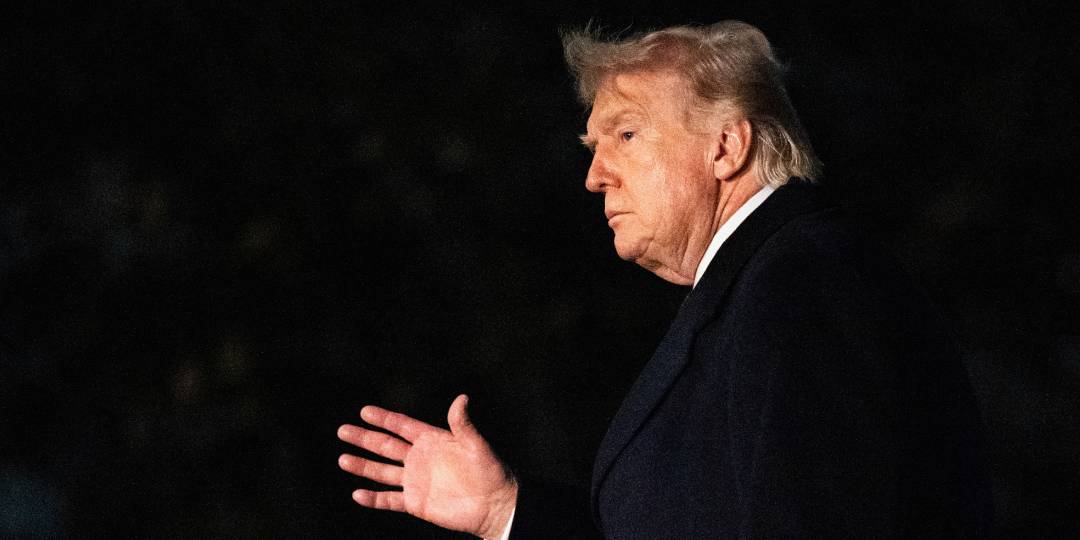

US President Donald Trump claimed Sunday that the United States was engaged in discussions with Iran to potentially end the three-week-old Middle East conflict, even as Iran’s Foreign Minister Abbas Araghchi explicitly denied that any such negotiations were taking place. The contradictory public statements underscore the fundamental uncertainty surrounding diplomatic efforts as the war enters its fourth week with no clear path toward resolution.
Trump stated that while talks were occurring, Iran was “not ready” for a deal to end the conflict but was “getting pretty close” to such readiness. However, he simultaneously expressed uncertainty about whether the United States even wanted to conclude an agreement, citing the difficulty of identifying legitimate negotiating partners after the death of most Iranian leadership on the first day of the conflict. The confused messaging reflects the absence of coherent diplomatic strategy despite public suggestions of ongoing negotiations.
Trump Claims Negotiations While Iran Foreign Minister Denies Talks
Trump told reporters aboard Air Force One that the United States was “talking to them” regarding Iran without providing details about the nature, scope, or substance of any such discussions. His statement lacked specificity about who was being engaged, what topics were being discussed, or what conditions might lead to agreement.
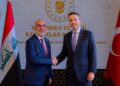
Iran’s Foreign Minister Abbas Araghchi responded directly by denying that any negotiations were occurring. Speaking on CBS’s “Face The Nation” Sunday, Araghchi stated: “We are stable and strong enough. We are only defending our people. We don’t see any reason why we should talk with Americans, because we were talking with them when they decided to attack us.”
Araghchi’s statement presents a fundamentally different account of diplomatic status compared to Trump’s assertions. Rather than confirming active negotiations, the Iranian foreign minister emphasizes Iran’s military resilience and questions the utility of dialogue with the United States given that previous discussions did not prevent the February 28 military strikes.
Contradictions Undermine Diplomatic Credibility
The direct contradiction between Trump’s claims of ongoing talks and Araghchi’s denial of negotiations raises fundamental questions about the accuracy of either party’s public statements. If negotiations are genuinely occurring as Trump claims, Iran’s foreign minister’s denial suggests either that talks are informal and not authorized by Iran’s political leadership, or that Trump’s characterization of “talks” grossly misrepresents the actual nature of any contacts.
This contradiction undermines confidence in official statements about diplomatic progress and suggests that any negotiation efforts remain in preliminary, unofficial phases without endorsement from Iran’s formal government apparatus.
Trump Questions Utility of Deal With Degraded Iranian Leadership
Trump expressed uncertainty about whether a deal to end the war was even desirable, citing the difficulty of identifying legitimate negotiating partners. “Nobody even knows who you’re dealing with, because most of their leadership has been killed,” Trump said, referring to Iranian Supreme Leader Ali Khamenei and dozens of other senior officials killed in the February 28 strikes.
This statement introduces a fundamental structural problem to any negotiation effort. If the United States does not recognize the legitimacy of post-strike Iranian leadership, or questions whether surviving officials possess authority to negotiate binding agreements, then diplomatic resolution becomes problematic regardless of Iran’s stated willingness.
Trump’s acknowledgment that the US is uncertain about legitimate negotiating partners contradicts his simultaneous claim that the United States is actively in talks with Iran. Negotiations with parties whose authority is questioned or unrecognized cannot produce agreements binding on either party.
Leadership Decapitation Complicates Diplomacy
The death of Iran’s supreme leader and senior officials creates unprecedented uncertainty about command authority, legitimate representation, and decision-making structures. Trump’s reference to this uncertainty suggests that US officials question whether surviving Iranian leadership can commit the country to binding agreements or whether different factions within Iran might repudiate any deals negotiated by surviving officials.
This structural challenge to diplomacy may explain the vagueness of Trump’s claims about “talks” and his simultaneous doubt about the utility of any resulting deal.
Trump Insists Iran “Wants Deal Badly” Despite Contrary Evidence
Despite Iran’s foreign minister’s explicit denial of negotiations and assertion of continued military resistance, Trump insisted that “they want to make a deal badly.” This assertion appears contradicted by Iran’s public stance and continued military operations.
The gap between Trump’s assessment of Iranian intentions and Iran’s actual public statements and military behavior suggests either that Trump possesses undisclosed intelligence about Iranian intentions, or that his characterization of Iranian willingness is wishful thinking unsupported by observable evidence.
The continued intensity of Iranian military operations against Gulf shipping, fuel facilities, and other targets appears inconsistent with a party “desperately wanting a deal.” Military operations at current intensity and sophistication require substantial resource expenditure and suggest commitment to continued conflict rather than urgent desire for negotiated settlement.
Observable Actions Versus Stated Intentions
Araghchi’s statement that “we don’t see any reason why we should talk with Americans” combined with continued Iranian military operations targeting regional infrastructure suggests that Iran’s preferred course is continued military engagement rather than negotiated resolution. Trump’s insistence that Iran “wants to make a deal badly” appears contradicted by Iran’s actual behavior and official statements.
Trump Demands International Military Support for Strait of Hormuz
Trump shifted focus from claimed diplomacy to demanding that US allies contribute military forces to reopen and secure the Strait of Hormuz. He told the Financial Times that NATO faces a “very bad” future if European allies fail to help reopen the critical waterway.
Trump stated he was in discussions with “about seven” countries about providing support, and that he wanted minesweepers as well as forces to “knock out some bad actors that are along the (Iranian) shore.” This language describing Iranian forces as “bad actors” requiring military removal undercuts any suggestion of serious diplomatic negotiations aimed at peaceful resolution.
The request for military forces to “knock out bad actors” on Iranian territory represents explicit request for military operations within Iranian territorial jurisdiction. This demand makes simultaneous claims of ongoing negotiations appear contradictory and suggests either that negotiations are not being pursued seriously, or that US military demands are designed to be unacceptable to Iran.
Military Demands Incompatible With Diplomacy
Requesting that allies send military forces to remove “bad actors” from Iranian territory is fundamentally incompatible with genuine diplomatic efforts aimed at negotiated peace. If negotiations were being seriously pursued, military demands on Iranian territory would be counterproductive to diplomatic objectives.
Trump’s simultaneous claims of ongoing talks with Iran and demands for military operations in Iranian territorial waters suggest either that diplomatic efforts are not being pursued in good faith, or that Trump’s characterization of the diplomatic situation is misleading.
UK and Other Allies Discuss Strait of Hormuz Security
British Prime Minister Keir Starmer spoke with Trump Sunday about the “importance of reopening the Strait of Hormuz to end the disruption to global shipping.” Starmer’s office issued a statement emphasizing the need to resume normal maritime traffic and the economic impacts of continued closure.
However, Australian Transport Minister Catherine King announced Monday that Australia would not be sending a navy ship to the Strait despite Trump’s request. This response demonstrates that not all US allies are willing to commit military forces to operations in the contested waterway.
The Australian refusal to contribute forces suggests that either Trump’s request is seen as unreasonable or inconsistent with Australia’s strategic interests, or that allies question the utility of military operations in the context of claimed diplomatic negotiations.
Allied Divisions on Military Commitment
The difference between Britain’s expressed willingness to discuss Strait of Hormuz security and Australia’s outright refusal to send naval forces suggests divisions among US allies about the appropriate response. Some allies appear willing to discuss the issue, while others decline to commit military resources.
Oil Markets React to Continued Uncertainty
West Texas Intermediate crude opened 2.5 percent higher at $100.22 per barrel Sunday, while Brent crude rose 2.9 percent to $106.11 per barrel. The continued price elevation despite claims of ongoing diplomatic negotiations suggests that markets are discounting the significance of diplomatic discussions.
Market participants appear to be pricing in expectations of continued conflict and Strait of Hormuz closure regardless of Trump’s diplomatic claims. The failure of oil markets to stabilize despite assertions of active negotiations suggests trader skepticism about the likelihood of near-term diplomatic resolution.
Market Skepticism Regarding Diplomatic Progress
Oil price maintenance above $100 per barrel for WTI and above $106 for Brent despite reported diplomatic talks indicates that market participants do not believe negotiations are likely to produce near-term agreements. If serious negotiations were producing progress toward settlement, markets would be expected to reflect such progress through price declines reflecting restored supply expectations.
The resilience of high oil prices despite diplomatic claims suggests that professional traders assess the probability of continued supply disruption as high regardless of Trump’s public statements about ongoing talks.
Uncertainty and Contradiction Define Diplomatic Situation
The fundamental contradiction between Trump’s claims of ongoing talks and Iran’s explicit denial of negotiations, combined with Trump’s simultaneous expression of doubt about deal utility and demands for military operations in Iranian territory, creates a diplomatic situation characterized by confusion and contradictions.
After three weeks of conflict with expanding humanitarian consequences and major economic impacts, the lack of coherent diplomatic strategy or clear path toward resolution reflects the absence of shared understanding between the parties about how or whether the conflict might end.
Key Contradictions and Developments:
Trump claims talks with Iran while Araghchi denies negotiations occurring
Trump expresses doubt about wanting a deal despite claiming Iran wants one
Trump questions legitimacy of post-strike Iranian leadership
Trump simultaneously demands military operations in Iranian waters
UK discusses Strait reopening while Australia refuses to contribute forces
WTI crude holds above $100, Brent above $106 despite diplomatic claims
Iran continues military operations contradicting “wants deal badly” assertion
Third week of conflict with no clear diplomatic path toward resolution