
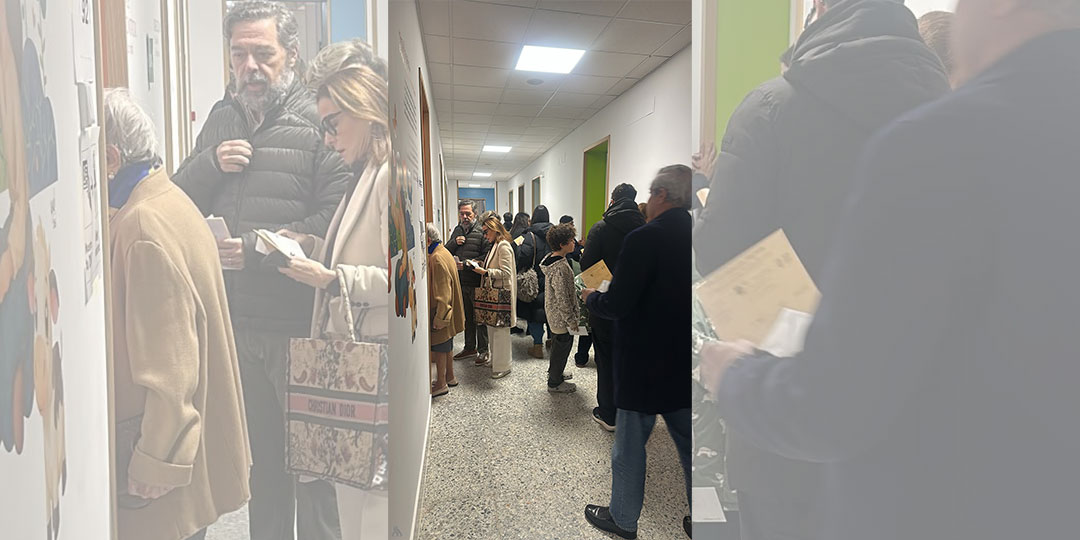

Spain began voting on Sunday in an early Spain election marked by a close contest between Prime Minister Pedro Sanchez’s Socialists, the conservative People’s Party and the far-right Vox party.
The vote comes amid political, economic and social pressure, with opinion polls pointing to a lead for the right and a possible need for post-election alliances to form the next government.
Polling stations opened at 9 a.m. local time and are scheduled to remain open until 8 p.m. in most of the country.
Millions Head to the Polls Across Spain
Around 38.7 million voters are eligible to cast ballots in the election for Spain’s parliament, choosing members of the lower and upper houses.
According to the Qatar News Agency, more than 1.6 million people are voting in a general election for the first time.
The Canary Islands will follow a different closing time, while the rest of the country will continue voting until the evening.
Sanchez Seeks Another Mandate
Sanchez and his Socialist Workers’ Party are trying to renew their mandate and continue the government’s current program.
The People’s Party is seeking to return to power after criticizing the government’s performance on housing, inflation, migration and political stability.
Vox is also aiming to expand its parliamentary representation and play a greater role in shaping the next coalition.
Polls Favor the People’s Party
Recent opinion polls gave the People’s Party a lead ahead of the vote, although it may still need Vox’s support to secure a governing majority.
The Socialists, meanwhile, are relying on their ties with left-wing and regional parties to stay in office.
That makes coalition-building a central issue in determining who will lead the next government.
Madrid Holds Particular Weight
Madrid is one of the most important battlegrounds in the election because it has the largest number of seats in the Congress of Deputies.
Results from the capital are expected to be a key indicator of national voting trends and the balance of power in parliament.
A total of 350 seats are being contested in the lower house, and 176 seats are needed for an absolute majority.
Political and Economic Backdrop
The early election was called after parliament became difficult to manage and several government initiatives stalled amid divisions among the parties supporting Sanchez.
The campaign has unfolded against the backdrop of a housing shortage, rising living costs and disputes over migration policy.
Observers say the outcome could reshape Spain’s political balance and influence its role within the European Union.
Conclusion:
Initial results are expected after polls close, with attention focused on turnout, coalition possibilities and the direction of Spain’s next government.