
Russia has warned that Finland’s decision to lift restrictions on hosting nuclear weapons poses a direct threat, vowing to take “appropriate measures” if Helsinki proceeds with the plan. The warning came one day after Finland announced its intention to amend military legislation to align with NATO’s nuclear deterrence policy.
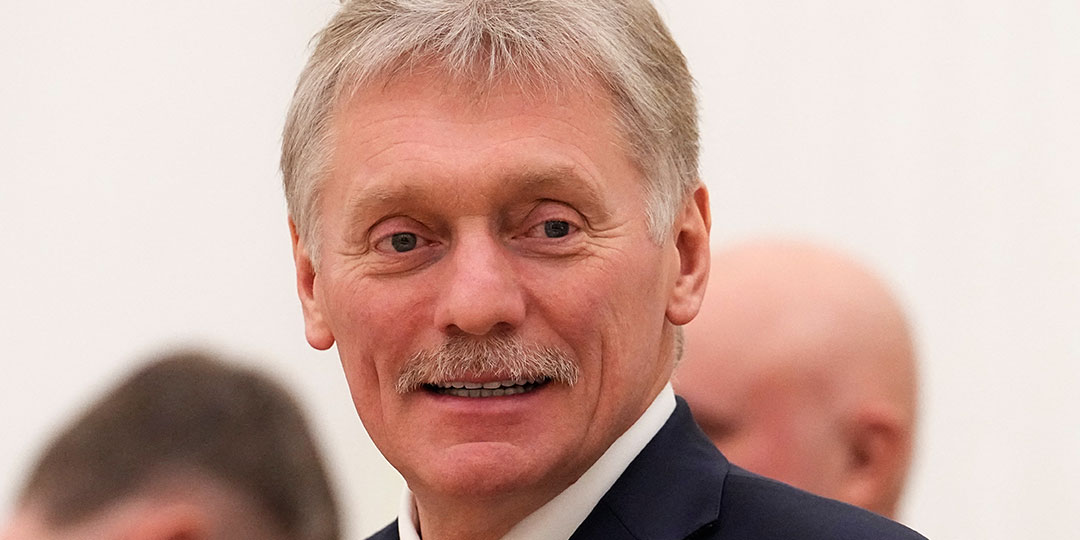
Kremlin spokesman Dmitry Peskov stated: “By deploying nuclear weapons on its territory, Finland is beginning to threaten us. And if Finland threatens us, we will take appropriate measures.” He added that the move would escalate tensions across Europe and increase Finland’s vulnerability to Russian retaliation.
Finland Shifts Historic Military Doctrine
Finnish Defence Minister Antti Hakkanen announced Thursday that the government plans to remove restrictions on importing, storing, and transporting nuclear weapons on Finnish territory in the context of national defense and NATO obligations.
Hakkanen said: “The security environment in Finland and Europe has fundamentally and significantly changed and deteriorated” following Russia’s full-scale invasion of Ukraine in 2022.
Finland is seeking to amend its Nuclear Energy Act and Criminal Code to remove the blanket ban on importing and domestically handling nuclear devices. The draft proposal would permit nuclear weapons import and possession as part of Finland’s homeland defense, NATO’s collective defense framework, or bilateral defense cooperation agreements.
A Geopolitical Shift in the Nordic Region
NATO Membership as a Strategic Turning Point
Finland abandoned decades of military non-alignment and formally joined NATO in April 2023, following Russia’s invasion of Ukraine, a longtime Finnish ally, in February 2022.
This dramatic shift reflects a fundamental change in Finland’s strategic posture, moving from a policy of neutrality to active military partnership with Western allies. The decision came after repeated assessments that Russia’s aggression posed an existential threat to Finnish security.
Hybrid Warfare on the Border
Finland has accused Russia in recent years of conducting “hybrid warfare” by orchestrating waves of migrant surges at their shared 1,340-kilometre (830-mile) border. The Kremlin has categorically denied these allegations.
These tactics form part of a broader pattern of Russian pressure on NATO’s northern frontiers, coinciding with military escalations against newly aligned member states.
Nuclear Deterrence at the Heart of Conflict
Moscow’s Position on Nuclear Deployment
Peskov framed Finland’s decision not as a defensive measure, but as a direct threat to Russian security. He stated: “By deploying nuclear weapons on its territory, Finland is beginning to threaten us.”
The Kremlin spokesman further warned that the move would cause “escalation of tensions on the European continent” and increase “Finland’s vulnerability,” implying potential military or economic retaliation by Russia.
Broader NATO Deterrence Strategy
Finland’s plan reflects a wider European strategy to strengthen nuclear deterrence against Russian threats. Other NATO members already host U.S. nuclear warheads, but Finland would be the first country sharing a direct border with Russia to explicitly authorize such deployment, marking a significant escalation in the alliance’s posture.
Geopolitical Fallout and Regional Implications
Anticipated Escalation
Analysts expect Finland’s decision to trigger further escalation in Russian-European relations, particularly with border-sharing states. Potential Russian countermeasures may include:
Military actions: increased military exercises and deployments along the Finnish border
Economic sanctions: restrictions on trade, energy supplies, and financial transactions
Hybrid operations: intensified migrant pressure campaigns and cyber activities
Finland’s Resolute Stance
Finland remains firm in its decision despite Russian threats. Defence Minister Hakkanen stressed that Europe’s security environment demands exceptional measures, and NATO membership is essential given Russian aggression. Helsinki is moving forward with legislative changes to enable nuclear weapon deployment when deemed necessary for collective defense.
Timeline of Escalating Tensions
February 2022: Russia invades Ukraine, prompting Finland to reassess its security doctrine
April 2023: Finland formally joins NATO, abandoning decades of military non-alignment
2023–2026: Russia escalates hybrid warfare and border provocations against Finland
March 6, 2026: Finland announces plan to lift ban on nuclear weapons deployment; Kremlin issues direct warnings of retaliation
Conclusion:
Finland’s decision to lift restrictions on nuclear weapons represents a fundamental strategic shift in Baltic and Northern European security architecture. NATO’s border states increasingly feel compelled to strengthen military deterrence against direct Russian threats. Moscow, in turn, has signaled that such measures will trigger further escalation, deepening Europe’s security divide and raising the stakes for potential military conflict. The nuclear dimension adds a dangerous new layer to the existing tensions between Russia and NATO’s expanding eastern flank.