
Qatar airport attack developments intensified Tuesday as authorities in Doha confirmed that Iranian missiles targeting Hamad International Airport were intercepted before reaching their destination. The announcement comes as Iran continues its retaliatory strikes across the Gulf region.
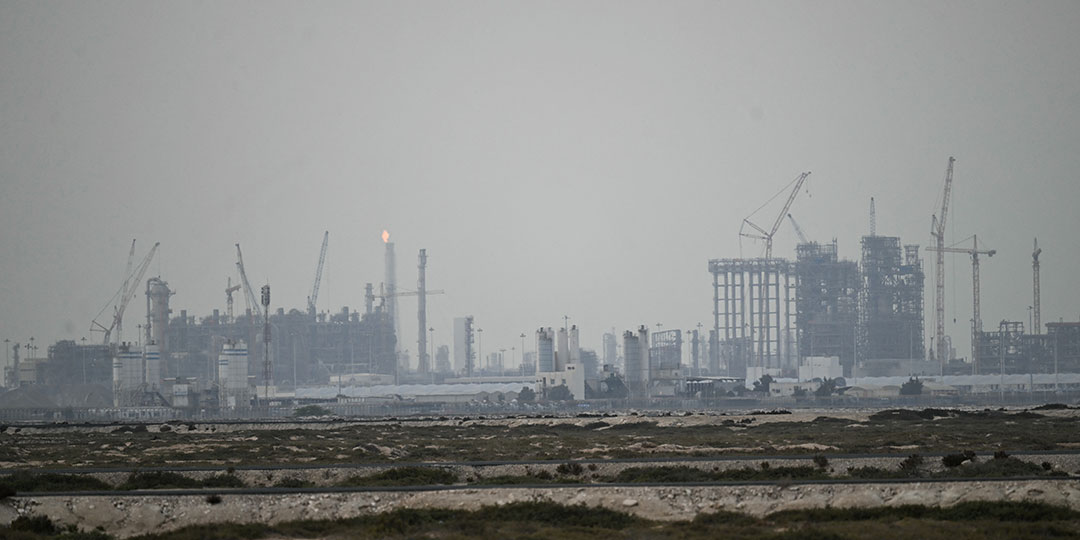
Qatar also reported new disruptions in its energy sector after Iran targeted two gas processing facilities earlier this week, prompting QatarEnergy to suspend additional downstream production.
Qatar confirms intercepting missiles targeting Hamad International Airport
Qatar’s foreign ministry spokesman Majed al Ansari said the country’s air defenses successfully intercepted all missiles aimed at Hamad International Airport.
According to al Ansari, the attempted strikes caused no damage to airport facilities. He stated that Qatar has had no direct communication with Iran since the start of the escalation.
Details of the attempted attack
During a press briefing in Doha, al Ansari clarified that:
• Multiple missiles were launched toward the airport.
• All incoming threats were intercepted before impact.
• The airport remained operational and secure.
Officials provided no further military details, though the attack is part of a broader wave of Iranian strikes targeting Gulf states in retaliation for recent regional tensions.
QatarEnergy halts more production after Iran hits gas facilities
QatarEnergy announced new production stoppages on Tuesday, expanding earlier shutdowns triggered by Iranian attacks on two gas processing plants. The company said it had already suspended liquefied natural gas (LNG) output along with related products.
Downstream industries affected
The additional production halt includes several key downstream products, with QatarEnergy confirming suspensions involving:
• Urea
• Polymers
• Methanol
• Aluminum
• Other industrial commodities
The company’s statement did not specify when operations might resume, stressing that safety assessments are ongoing.
Implications for regional energy markets (optional)
The temporary shutdown of LNG and downstream operations in Qatar, one of the world’s top gas exporters, may cause short term volatility in global energy markets. Iraq, which imports various petrochemical and aluminum products from Gulf states, could face minor supply delays depending on the duration of the disruption.
Why the escalation matters for Iraq
Although the attacks did not target Iraqi territory, developments in the Gulf influence Iraq through:
• Energy market shifts that affect regional pricing and supply stability
• Increased security concerns in strategic maritime corridors
• Potential disruptions to Gulf states that serve as trade partners for Iraq
Regional context
Iran’s ongoing strikes across the Gulf have heightened concerns among neighboring countries, many of which maintain critical energy and transportation infrastructure vulnerable to similar attacks. Iraq continues to monitor the situation given its geopolitical ties and economic exposure.
Conclusion:
Qatar’s interception of missiles targeting its main airport and the expanded shutdown of industrial production highlight the growing scale of Iran’s regional retaliation. Doha has yet to restore normal operations in affected energy sectors as security assessments continue.