
The movement of Palestinians leaving Gaza via Rafah crossing has remained limited since the crossing was partially reopened with Egypt earlier this month, with around 180 people departing the enclave, according to officials and medical sources.
Rafah is Gaza’s only outlet to the outside world that does not pass through Israel, giving its operation particular humanitarian significance.
The crossing reopened on February 2 after being closed for nearly two years, following Israeli control of the area during the war with Hamas, amid severe humanitarian and health conditions in Gaza.
Limited departures for medical cases
Ismail al-Thawabta, head of the Hamas-run government media office in Gaza, said 135 Palestinians left the territory between Monday and Thursday, most of them patients and their accompanying relatives.
He noted that official figures show “extremely limited” travel since the reopening, adding that the crossing was closed on Friday and Saturday.
The Palestinian Red Crescent also confirmed that 135 residents exited Gaza through Rafah between February 2 and 5.
Additional departures and humanitarian cases
Mohammad Abu Salmiya, director of Al-Shifa Medical Complex, told AFP that 44 more people left Gaza for Egypt on Sunday, including 19 patients, with the remainder accompanying them.
Among those preparing to travel was Raja Abu al-Jidyan, who said her son was wounded during the war and requires the removal of a metal plate from his leg to prevent further medical complications.
Limited returns and Israeli restrictions
During the same period, 88 people returned to Gaza from Egypt after the crossing reopened, according to al-Thawabta, who described emotional reunions with waiting family members.
Israel allowed Rafah to reopen but continues to restrict movement to patients and their companions only, despite repeated calls from the United Nations and aid organizations to ease access.
Growing medical needs in Gaza
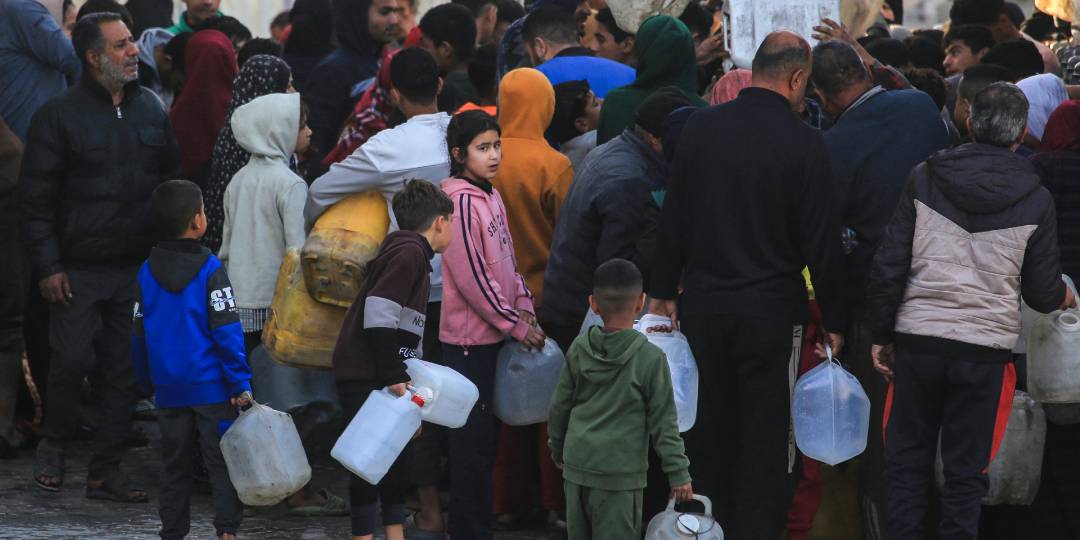
The reopening of Rafah offers a rare opportunity for Gaza residents to receive treatment abroad.
Abu Salmiya said around 20,000 patients in Gaza urgently need medical care, including about 4,500 children.
West Bank records highest displacement levels
In a related development, the United Nations reported that the occupied West Bank recorded its highest displacement figures in January, largely due to attacks and harassment by Israeli settlers.
According to the UN Office for the Coordination of Humanitarian Affairs (OCHA), at least 694 Palestinians were forcibly displaced during the month.
Settler violence a key driver
The UN Office of the High Commissioner for Human Rights said settler violence became a primary factor in forced displacement, particularly after the complete evacuation of the Ras Ein al-Auja community in the Jordan Valley.
Residents cited sustained harassment and attacks that left entire communities unable to remain in their homes.
Rising casualties amid continued escalation
Since the outbreak of the Gaza war in October 2023, at least 1,035 Palestinians have been killed in the West Bank by Israeli forces or settlers, according to the Palestinian Health Ministry.
In the same period, at least 45 Israelis, including soldiers, were killed in attacks or during Israeli military operations, according to official Israeli figures.
Conclusion:
The limited number of Palestinians leaving Gaza via Rafah crossing highlights the scale of Gaza’s humanitarian and medical crisis, while rising displacement and violence in the West Bank underscore the broader deterioration of conditions across the Palestinian territories.