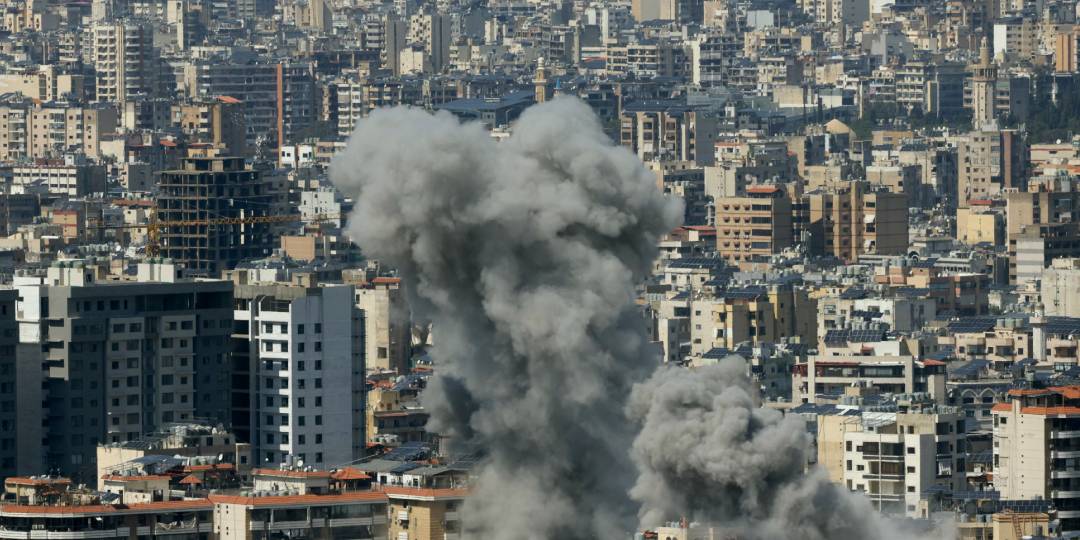

The Middle East conflict entered its third week with significantly updated casualty figures reflecting the expanding geographic scope and intensity of operations. Lebanon’s death toll from Israeli strikes reached 912 people including 111 children, while Iran confirmed the death of Basij paramilitary commander Gholamreza Soleimani in Israeli air strikes. Israel announced it was conducting widespread strikes against Basij positions throughout Tehran, targeting what it characterized as checkpoints embedded within civilian areas as part of efforts to undermine Iranian state security apparatus.
The cumulative death toll across the region now exceeds 3,000 people, with additional hundreds injured. Iran’s political leadership has been severely degraded through targeted strikes killing national security chief Ali Larijani and other senior officials, while Israel continues expanding the geographic scope of operations beyond military infrastructure to paramilitary forces believed to maintain state security control.
Lebanon Death Toll Reaches 912 as Displacement Exceeds One Million
Lebanon’s health ministry reported Tuesday that Israeli strikes have killed 912 people including 67 women and 111 children, with 2,221 additional people wounded. The death toll includes 38 paramedics killed in rescue operations, indicating that medical personnel remain targeted despite humanitarian protection protocols. The Lebanese army confirmed six soldiers killed, while Hezbollah has declined to disclose casualty figures from its military operations.
The Lebanese government’s social affairs ministry reported that over one million people have been displaced by the ongoing conflict, representing the largest forced displacement of population in the region since the conflict began. The scale of displacement indicates that Israeli operations have forced civilians from vast areas of the country, creating humanitarian crisis exceeding even casualty figures in scale and scope.
Medical Personnel Casualties Indicate Targeting Patterns
The deaths of 38 paramedics among the 912 killed raises concerns about whether medical personnel are being deliberately targeted or are suffering casualties as a result of widespread area strikes. The concentration of paramedic deaths suggests that rescue operations responding to initial strikes have been subject to follow-up strikes targeting responders, creating secondary kill zones.
Iran Confirms Death of Basij Commander Gholamreza Soleimani
Iran’s Revolutionary Guards confirmed Tuesday that Basij paramilitary force commander Gholamreza Soleimani was killed in Israeli air strikes. The Basij is a volunteer militia force numbering hundreds of thousands and credited with playing a central role in suppressing domestic protests and maintaining internal security control for the Iranian state.
Israel announced that it was conducting strikes against Basij positions deployed throughout Tehran, targeting what the military characterized as “more than 10 different posts across Tehran.” The strikes represented a deliberate effort to degrade the paramilitary force’s capabilities and potentially weaken internal security apparatus that constrains potential popular uprisings against the clerical establishment.
Israeli Strategic Focus on Internal Security Forces
The targeting of the Basij reflects Israeli strategic calculation that degrading internal security forces could create conditions for popular uprising against Iranian leadership. The Basij has been accused of playing central roles in suppressing mass protests in recent years, with rights groups alleging thousands were killed in crackdowns on demonstrators.
By targeting the organization’s command structure and deployed positions, Israel seeks to reduce the Iranian state’s capacity to suppress internal dissent, potentially creating space for opposition movements.
Ali Larijani Confirmed Killed as Iran’s National Security Apparatus Degraded
Iran’s Supreme National Security Council confirmed Tuesday that national security chief Ali Larijani was killed in Israeli air strikes, along with his son and bodyguards. The death of such a senior official indicates successful Israeli targeting of Iran’s highest-level security decision-making apparatus.
Larijani’s position as national security chief placed him at the center of Iran’s strategic planning regarding the conflict and broader geopolitical positioning. His death represents significant degradation of Iran’s command authority and decision-making capability during active conflict.
Leadership Decapitation Strategy
The targeting and killing of senior officials including Supreme National Security Council chief, Basij commander, and other military figures indicates Israeli strategy focused on decapitating Iran’s leadership structure. The approach reflects assessment that degrading command authority and removing senior decision-makers will constrain Iran’s military capacity and potentially accelerate conflict termination through incapacitation of leadership.
Basij Positioned Within Civilian Areas, Israeli Military Claims
Israel stated that Basij forces were operating from “posts embedded within public areas in the heart of Tehran,” describing the deployment as creating dual-use infrastructure mixing civilian and military functions. The characterization raises questions about civilian protection in urban environments where paramilitary forces maintain positions within populated areas.
Israel announced that it identified “renewed deployment of Basij forces” and launched strikes targeting these positions. The military stated that “recent strikes, alongside the elimination of the unit’s commander, Gholamreza Soleimani, inflict significant and ongoing damage to the capabilities of the Basij unit.”
Civilian-Military Proximity Challenges
The deployment of paramilitary forces within civilian areas creates inherent challenges for civilian protection under international humanitarian law. The mixing of civilian populations and military/paramilitary infrastructure creates scenarios where strikes targeting military objectives place civilian populations at risk of collateral damage.
Cumulative Regional Casualty Toll Compilation
Across the Middle East region, casualty figures compiled from government, military, and health authority statements show:
Iran: 1,200-1,825 killed depending on source (over 10,000 wounded) Lebanon: 912 killed, 2,221 wounded, over 1 million displaced Israel: 14 killed total (12 from Iranian missile fire, 2 soldiers in Lebanon) Gulf States: 28 killed (15 civilians, 13 military/security) Iraq: 61+ killed including Iranian-backed fighters and civilians US Military: 7 killed, approximately 200 injured across seven countries Jordan: 29 injured from falling debris, no deaths Syria: 8 injured from debris
Verification Challenges and Information Restrictions
AFP has been unable to independently verify all casualty figures, particularly from Iran where reporting restrictions prevent access to strike sites. The disparity between Iranian governmental claims and independent human rights organization estimates creates uncertainty about actual casualty magnitudes.
NATO Rejects US Request for Strait of Hormuz Operations
President Trump lashed out Tuesday at NATO allies for rejecting his calls to provide military assistance in reopening the Strait of Hormuz. France stated it would “never” participate in such operations while hostilities continue, conditioning any future assistance on conflict cessation and reduced intensity.
British Prime Minister Keir Starmer stated London was working on a “viable” plan but ruled out NATO mission participation. Germany, Japan, Australia, Poland, Spain, Greece, and Sweden all distanced themselves from military involvement in Hormuz operations.
Allied Divergence on Regional Engagement
The refusal of NATO allies and other major powers to commit military resources to Strait of Hormuz operations reflects reluctance to expand the conflict geographically or militarily. Most nations prefer diplomatic approaches to military solutions, viewing force deployment as escalatory rather than de-escalatory.
Iran Implements Selective Blockade of Strait of Hormuz
Data trackers indicate that Iran is permitting passage for vessels from friendly countries while blocking others. At least five ships exited the Strait via Iranian waters on March 15-16, suggesting Iran is implementing “permission-based transit” rather than blanket closure.
Iraqi oil minister stated that Iraq was negotiating with Iran to arrange passage for Iraqi oil tankers through the Strait. Ships must provide identity information, ownership details, and affiliations for Iranian authorities to approve transit.
Economic Leverage Through Selective Access
Iran’s selective blockade grants economic leverage to nations willing to negotiate transit permissions, effectively converting the Strait closure into a negotiating tool rather than blanket denial of access. The approach allows Iran to maintain pressure on US-allied nations while permitting passage for countries maintaining neutrality or friendly relations.
Iraq Seeks Alternative Export Routes as Oil Revenue Threatened
Iraq, where crude oil sales comprise 90 percent of government budget revenues, is negotiating with both Iran and Kurdish autonomous region authorities to maintain oil exports. Previously shipping approximately 3.5 million barrels daily through the Strait of Hormuz, Iraq faces revenue collapse if export routes remain closed.
Kurdistan region Prime Minister Masrour Barzani stated that oil exports would “flow through the Kurdistan Region’s pipeline as soon as possible,” indicating progress on alternative routing through the autonomous region’s infrastructure.
West Bank Displacement Cited as Ethnic Cleansing by UN
Parallel to Middle East war developments, UN human rights office reported that over 36,000 Palestinians were displaced in the West Bank during a single year ending October 31, 2025, characterizing the displacement pattern as potential ethnic cleansing. The report documented that Israeli authorities advanced or approved approximately 36,973 housing units in settlements and 84 new settlement outposts.
Expansion of Settlements Amid Regional Conflict
The continued acceleration of West Bank settlement expansion despite regional conflict indicates that Israeli authorities are simultaneously prosecuting war in Gaza, Lebanon, and Iran while expanding settlements in occupied Palestinian territory. The parallel operations suggest prioritization of territorial expansion alongside military campaigns.
Key Conflict Developments:
- Lebanon death toll reaches 912, over 1 million displaced
- Iran confirms Basij commander killed in strikes
- Ali Larijani, national security chief, confirmed dead
- Israel targets more than 10 Basij positions in Tehran
- Lebanon paramedics comprise 38 of 912 deaths
- Regional casualty toll exceeds 3,000 killed
- NATO rejects Trump’s request for Hormuz operations
- Iran implements selective blockade of Strait
- Iraq negotiates transit permissions with Iran
- UN reports 36,000 Palestinians displaced in West Bank