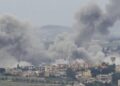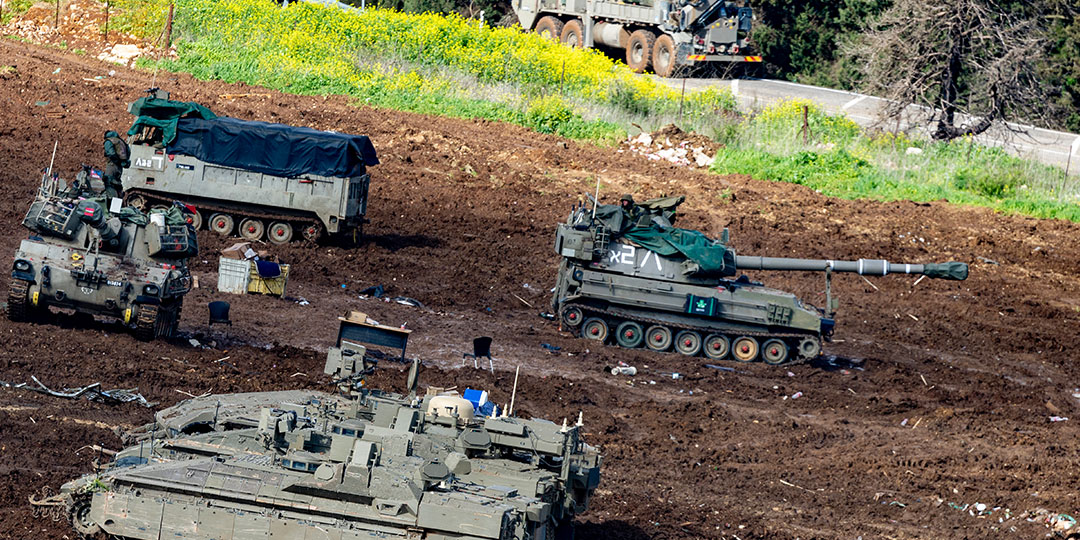

An Israeli airstrike struck a residential house in the southern Lebanese town of Ghandouriyeh Saturday, killing one person and wounding two others, according to Lebanon’s National News Agency. The strike represents continued Israeli military operations against Hezbollah infrastructure across Lebanese territory despite emerging diplomatic initiatives focused on negotiating ceasefire through direct Israel-Lebanon talks. The US ambassador to Lebanon welcomed President Joseph Aoun’s proposal for direct negotiations with Israel while acknowledging that Israeli military operations continue with no immediate pause in offensive activities.
The humanitarian crisis in Lebanon has deepened with the health ministry reporting over 1,000 deaths and more than one million displaced persons from three weeks of conflict. The divergence between diplomatic proposals for ceasefire negotiations and continued intensive Israeli military operations indicates that military superiority remains the primary focus for Israeli strategy, with negotiations proceeding only as secondary consideration.
Israeli Airstrike Kills One in Ghandouriyeh
Israel’s military struck a residential house in the southern Lebanese town of Ghandouriyeh with heavy airstrike Saturday, killing one person and wounding two others pulled from rubble. Lebanon’s National News Agency reported that “Israeli fighter jets launched a heavy strike at dawn on a house in the town of Ghandouriyeh… resulting in one martyr and two wounded people.”
The strike on civilian residential infrastructure reflects continuation of Israeli targeting pattern in southern Lebanon, where Hezbollah maintains significant infrastructure and personnel concentration. The civilian casualties indicate vulnerability of residential areas near military target zones to collateral damage despite Israeli military claims of precision targeting.
Pattern of Civilian Infrastructure Targeting
The targeting of residential houses in populated towns indicates either deliberate targeting of civilian structures or extensive collateral damage from strikes aimed at adjacent military targets. The concentration of Israeli strikes on populated southern Lebanese areas reflects the integration of Hezbollah military infrastructure into civilian population centers.
Israeli military spokesman Avichay Adraee stated that “The IDF continues to operate and strike Hezbollah’s terrorist military infrastructure throughout the suburbs with increasing force,” indicating that Israeli operations maintain intensity despite humanitarian costs and civilian casualties.
Israeli Military Issues Evacuation Warnings
Israel’s military issued formal evacuation warnings Friday to residents of Beirut’s southern suburbs, a stronghold of the Iran-backed militant group Hezbollah. The warnings preceded intensive airstrike campaigns designed to degrade Hezbollah military capabilities in the densely populated urban area.
Israeli military spokesman Avichay Adraee stated through his official Telegram channel that “The IDF continues to operate and strike Hezbollah’s terrorist military infrastructure throughout the suburbs with increasing force,” indicating that evacuation warnings preceded rather than replaced military operations.
Humanitarian Implications of Evacuation Warnings
The evacuation warnings create humanitarian crisis among displaced civilians forced to flee populated residential areas. Lebanon’s health ministry reported that over one million people have been displaced from their homes, representing approximately 23 percent of Lebanon’s pre-war population of 4.3 million.
The scale of displacement rivals the humanitarian impact of major conflicts globally. The concentration of displaced persons in temporary shelters, refugee camps, and public institutions creates secondary humanitarian crises related to disease, malnutrition, and psychological trauma among displaced populations.
Lebanon Proposes Direct Negotiations with Israel
Lebanon’s President Joseph Aoun proposed on March 9 direct negotiations with Israel to end the escalating conflict with Hezbollah. The proposal represents Lebanese government effort to establish diplomatic framework for ceasefire and conflict termination despite continued Israeli military operations.
The US ambassador to Lebanon, Michel Issa, welcomed the Lebanese proposal Friday, stating: “We appreciate the importance of the issue for the president and the importance of his responsibility in finally deciding that he must meet with the Israelis, because matters are not resolved without talking.”
Conditions and Obstacles to Negotiations
Ambassador Issa acknowledged that Israel “has decided not to stop” striking Lebanon, indicating that Israeli military leadership maintains commitment to sustained operations rather than pause for diplomatic engagement. Issa stated: “Each party has their point of view of how meetings start,” acknowledging divergent positions on preconditions for negotiations.
The ambassador indicated that Lebanon must determine whether it can meet with Israeli negotiators while Israeli military operations continue. The framing suggests that Lebanese willingness to negotiate does not require Israeli operational pause, indicating significant asymmetry in negotiating positions.
Israel Rejects Planned Negotiations
Israel’s military leadership rejected diplomatic proposals for direct talks with Lebanon, stating that no negotiations are currently planned. Israeli Foreign Minister Gideon Saar responded “no” when asked whether Israel would engage in direct talks with Lebanese government.
The Israeli rejection of diplomatic proposals despite US ambassador encouragement indicates that Israeli government prioritizes military operations over diplomatic engagement at current conflict stage. The rejection occurs despite acknowledged humanitarian crisis and civilian displacement.
Strategic Rationale for Rejecting Negotiations
Israeli military leadership publicly states commitment to continued operations with “increasing force,” indicating that Israeli strategy prioritizes military victory through degradation of Hezbollah infrastructure rather than negotiated settlement. The rejection of negotiations while operations continue at maximum intensity suggests Israeli assessment that military superiority provides advantage favoring continued operations over negotiated ceasefire.
International Diplomatic Engagement
French President Emmanuel Macron engaged with Lebanese leaders last week, expressing hope that Israel would agree to direct talks with Beirut and offering to host negotiations in Paris. The French diplomatic initiative represents effort by external powers to establish negotiation framework absent direct Israeli-Lebanese engagement.
Macron’s offer to host talks in Paris provides neutral venue for negotiations while attempting to engage both parties in diplomatic process. The French initiative reflects broader international concern regarding humanitarian crisis and displacement scale.
Limited Effectiveness of External Diplomacy
The Israeli rejection of negotiation proposals despite encouragement from US ambassador and French president indicates limitations of external diplomatic pressure when military operations continue at intensity. The absence of effective diplomatic leverage to compel Israeli participation in negotiations suggests that military dynamics rather than diplomatic initiatives currently determine conflict trajectory.
Humanitarian Crisis Scale
Lebanon’s health ministry reported that the latest war has killed more than 1,000 people and displaced more than one million additional persons. The casualties represent approximately 23 percent of Lebanon’s pre-war population, indicating catastrophic humanitarian impact comparable to major regional conflicts.
The displaced persons face conditions of inadequate shelter, food insecurity, and limited access to health services. The concentration of displaced persons in temporary facilities creates secondary health crises through disease transmission and mental health impacts.
Humanitarian Access and Service Provision
The scale of humanitarian need overwhelms Lebanese government capacity to provide services. International humanitarian organizations report difficulty accessing affected areas due to security concerns and infrastructure damage from military operations.
Medical facilities in affected areas experience capacity constraints from mass casualty events and limited resources. The integration of military operations into civilian population centers complicates humanitarian access and service provision.
Context of Lebanon’s Conflict Entry
Lebanon was pulled into the Middle East war on March 2 when Iran-backed Hezbollah fired rockets into Israel in response to the killing of Iran’s supreme leader Ayatollah Ali Khamenei in US-Israeli strikes on February 28. The Israeli military response to Hezbollah attacks escalated into sustained campaign against Hezbollah infrastructure across Lebanese territory.
The three-week conflict has resulted in casualties and displacement scales comparable to major wars globally. The humanitarian crisis created by sustained Israeli operations against Hezbollah positions in civilian population centers represents the most severe humanitarian impact on Lebanese civilians since the 2006 Israeli-Hezbollah conflict.
Key Developments in Lebanon Crisis:
Israeli airstrike kills one in Ghandouriyeh, wounds two
Israeli military issues evacuation warnings for Beirut southern suburbs
Israeli operations continue with “increasing force”
Lebanon President proposes direct negotiations with Israel
US ambassador welcomes Lebanese proposal for talks
Israel rejects planned negotiations with Lebanon
French President Macron offers Paris venue for talks
Over 1,000 deaths reported in Lebanese conflict
More than one million displaced persons reported
Humanitarian crisis overwhelms Lebanese government capacity
International diplomatic efforts face obstacles
Military operations prioritized over negotiations