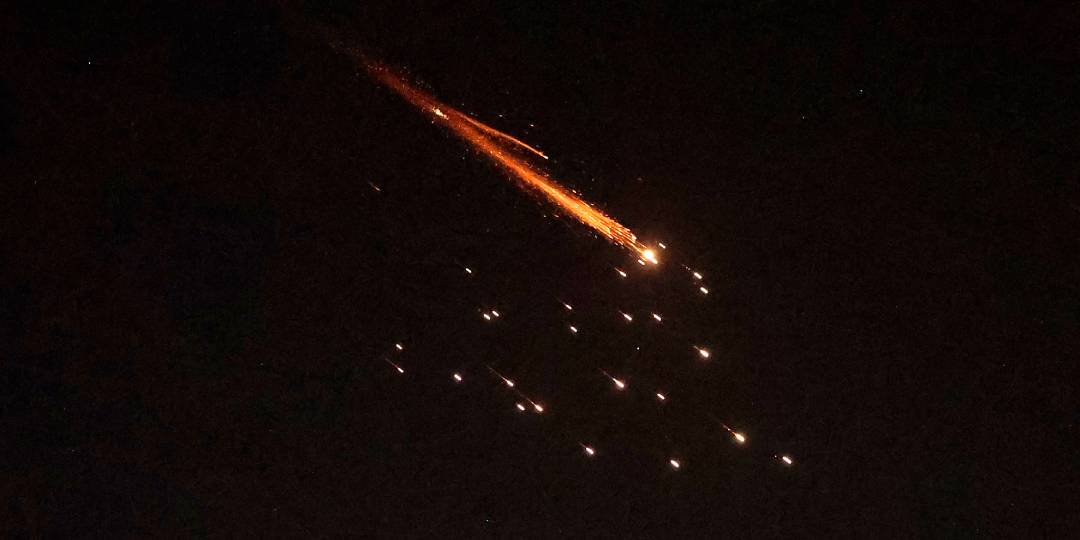

The Israeli military confirmed Friday it carried out airstrikes targeting two critical nuclear-related sites deep within central Iran. The strikes hit the Arak heavy water reactor and a uranium processing facility in Yazd province, marking the 28th day of the intensifying Middle East conflict.
The Israeli military stated: “The Air Force, with precise guidance from Military Intelligence, struck the heavy water reactor in Arak, central Iran, which was originally designed to produce military-grade plutonium.” The operation represents a major escalation in the regional conflict and a direct challenge to Iran’s nuclear program.
Targeting the Strategic Arak Reactor
History and Strategic Significance
Construction of the Arak heavy water reactor began in the early 2000s, officially designed to produce plutonium for medical research purposes. However, the project was frozen under the 2015 Vienna nuclear agreement on Iran’s nuclear program. When the United States withdrew from the accord in 2018, Israeli interest in the facility as a strategic threat intensified significantly.
The reactor core was subsequently removed and filled with concrete to render it inoperable. However, Iran has continued investing in the facility’s infrastructure and capabilities. The site was previously targeted by Israeli airstrikes during the 12-Day War in June 2025, when the United States also conducted concurrent air operations.
Current Status and Damage Assessment
The International Atomic Energy Agency (IAEA) reported that the heavy water production facility sustained damage and has operated below full capacity since the previous 2025 strikes. The agency has been unable to access the site since May 2025, raising transparency concerns about current conditions.
Iranian media outlets reported Friday’s strikes occurred “in two phases” and claimed no fatalities or elevated radiation levels resulted. However, Iran has not disclosed actual damage assessments or operational impacts to international inspectors.
Uranium Processing Facility in Yazd Targeted
Plant Function and Strategic Importance
The Israeli military issued a second statement confirming the targeting of a uranium processing facility in Yazd province in central Iran. The military said: “The Air Force, with precise guidance from Military Intelligence, struck a uranium ore processing and extraction facility located in Yazd.”
Iran’s Atomic Energy Organization acknowledged that the Ardakan facility produces uranium concentrates, a crucial preliminary step before uranium enrichment to weapons-grade levels. The organization claimed the strike “resulted in no radioactive leakage,” but specifics on actual damage have not been publicly disclosed.
Iranian Position Versus Israeli-American Claims
Israel and the United States accuse Iran’s Islamic Republic of systematically pursuing nuclear weapons capabilities. Tehran insists its nuclear program is exclusively for civilian and medical purposes, consistent with its international commitments under the Non-Proliferation Treaty.
The Israeli military stated: “We will not allow the Iranian regime to continue its attempts to advance its nuclear weapons program, which constitutes an existential threat to the State of Israel and the entire world.”
Expanded Military Escalation Targeting Industrial Infrastructure
Iranian Steel Manufacturing Under Fire
Concurrent with the nuclear strikes, Iranian media reported that coordinated American-Israeli airstrikes Friday damaged two major steel manufacturing plants in Iran.
The strikes targeted “a facility belonging to Mobarakeh Steel Group, Iran’s steel giant, located in Isfahan (central), in addition to another complex in Khuzestan province (southwest).” The state news agency IRNA reported: “The American-Zionist enemy targeted the Khuzestan Steel plants and Mobarakeh Steel in Isfahan in two separate attacks.”
Industrial Infrastructure Strategy and Economic Impact
Iran’s steel plants form the backbone of the nation’s economy and a critical source of foreign currency earnings. Their targeting reflects a broader Western strategy to systematically dismantle Iran’s economic and military infrastructure. Iranian media confirmed that rescue teams immediately responded to the strike locations.
The bombing of steel facilities alongside nuclear sites suggests a comprehensive strategy aimed at economic strangulation. Steel production is essential for construction, military manufacturing, and export revenues. Targeting these plants compounds Iran’s economic isolation and accelerates industrial collapse.
Cyber Warfare Escalates in Parallel
FBI Director’s Personal Email Breached
In a parallel development with military operations, American media outlets reported Friday that hackers from the “Handala” group, believed to have links to Iran, breached the personal email account of Kash Patel, director of the U.S. Federal Bureau of Investigation (FBI), and published documents and images they obtained online.
The Handala group is considered one of the most active cybercriminal organizations since the U.S.-Israeli war against Iran began, and is widely regarded by cybersecurity experts as being affiliated with the Islamic Republic.
Breach Context and Iranian Retaliation
The hackers published photographs of Patel from before his appointment as FBI director in 2025. The Handala group claimed responsibility in a message posted to monitored social media accounts, stating the operation was retaliation for the FBI’s seizure of internet domain names belonging to the group.
The previous week, the U.S. Department of Justice announced the seizure of four websites, two of which carried the “Handala” name, linking them to “cyber hacking activities” conducted by Iran’s Ministry of Intelligence and Security (MOIS).
Cyber Warfare as Complement to Military Operations
The simultaneous cyber attack on FBI systems reflects Iran’s asymmetric response strategy. While Israel and the U.S. conduct kinetic military operations, Iran is conducting parallel cyber operations aimed at demonstrating reach and capability within U.S. institutions. This two-pronged approach signals Iran’s intent to escalate across multiple domains simultaneously.
Broader Context: The Intensifying Middle East War
Origins and Rapid Escalation
The Middle East has experienced escalating conflict since February 28, when coordinated U.S.-Israeli strikes targeted Iran. Tehran responded with barrage missile attacks and drone strikes targeting Israel and multiple regional nations.
Friday’s strikes mark a critical strategic shift. The conflict is no longer confined to Israeli-Lebanese or Palestinian theaters. It has now extended directly into Iran’s economic and military infrastructure, with explicit targeting of nuclear facilities.
Comprehensive Containment Strategy
The strikes on the reactor, uranium facility, and steel plants reflect an integrated strategy of economic and military blockade against Iran. The objective is to simultaneously degrade Iran’s military capabilities and economic capacity.
Cyber warfare operations complement this strategy. Iran’s electronic attacks on FBI systems and domain seizures represent an asymmetric response within U.S. territory itself. This mirrors a broader pattern: as Iran faces military pressure, it responds with cyber operations targeting American institutions.
Danger of Uncontrolled Escalation
The 28-day war has demonstrated rapid escalation patterns. Each side’s response triggers counter-responses, creating a cycle of intensification. The targeting of nuclear facilities introduces dangerous new dimensions to the conflict, raising stakes beyond regional boundaries.
International observers express concern that direct strikes on nuclear infrastructure could trigger unintended consequences, including radioactive contamination or miscalculation leading to wider conflict involvement.
Timeline of War and Strategic Milestones
| Date | Event |
| February 28, 2026 | U.S.-Israeli coordinated strikes on Iran begin |
| March 2026 | Iran responds with missile and drone attacks |
| March 2, 2026 | Israel-Lebanon war erupts |
| June 2025 | Previous Israeli strikes on Arak reactor |
| May 2025 | IAEA loses access to Arak facility |
| March 27, 2026 | Nuclear facility strikes + steel plant bombing + FBI email breach |
Strategic Implications and Regional Risks
The Friday strikes carry profound strategic implications:
Nuclear Dimension: The world approaches an incipient regional nuclear crisis with potential for catastrophic consequences.
Economic Strangulation: Methodical targeting of Iran’s economic infrastructure threatens comprehensive economic collapse and humanitarian crisis.
Cyber Escalation: Conflict has expanded into digital space with accelerating tempo and sophistication.
Regional Contagion: The conflict risks drawing other regional actors into a widening confrontation with unpredictable consequences.
International Law Questions: Strikes on civilian nuclear infrastructure raise legal and humanitarian concerns under international conventions.
International Response and Global Concerns
The IAEA expressed concern about access to Iranian facilities and radiation safety. However, the agency remains constrained in its monitoring capacity. The UN Security Council faces pressure to address the escalation, but strategic divisions among permanent members limit prospects for effective intervention.
Humanitarian organizations warn of potential civilian casualties from nuclear facility targeting. Environmental groups express alarm at risks of radioactive contamination affecting broader Middle East region.
Conclusion:
Israeli strikes on Iranian nuclear facilities mark a dangerous escalation in the month-long Middle East conflict. The targeting of the Arak reactor and uranium processing facility reflects an integrated strategy aimed at dismantling Iran’s military and economic capabilities across multiple domains. Simultaneous cyber attacks on American institutions signal Iran’s readiness to engage across theaters beyond conventional warfare. The region stands at a precipice, with daily escalation narrowing diplomatic off-ramps. Without urgent international intervention and de-escalation mechanisms, the conflict risks expanding into a broader regional confrontation with catastrophic humanitarian consequences and potential global implications. The stakes have shifted from territorial disputes to existential concerns about nuclear proliferation and regional stability.