
Iraq’s Border Forces Command said on Thursday it has begun implementing the commander-in-chief’s directive to close unofficial crossings, saying the country has reached what it described as unprecedented levels of border control.
In parallel, Prime Minister Ali Falah al-Zaidi said Federal Court rulings confirmed the federal government’s responsibility for securing Iraq’s international borders, while also stressing continued action against oil smuggling and other illegal activity.
Border Forces Say Surveillance Has Improved
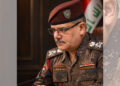
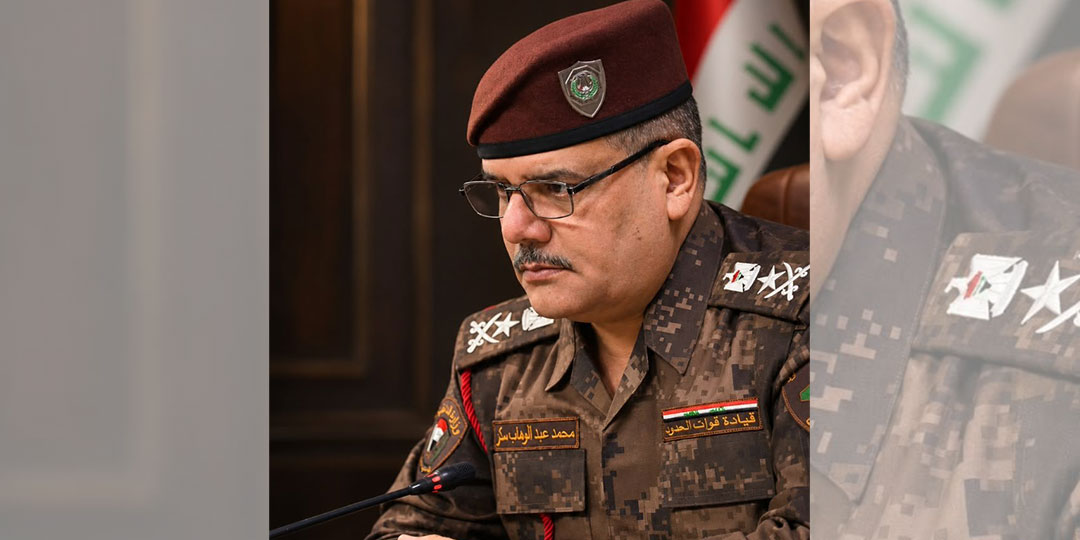
Border Forces Commander Lt. Gen. Mohammed Abdul Wahab Sukkar al-Saadi told the Iraqi News Agency that the force has carried out major measures to secure Iraq’s borders, including the use of modern technology, smart surveillance systems and improved combat readiness.
He said these steps were backed by broader coordination with neighboring countries, helping reduce infiltration, smuggling and the movement of labor toward Iraq.
Progress Along Borders With Neighboring States
Al-Saadi said border security levels are now strong along Iraq’s frontiers with Syria, Jordan, Saudi Arabia, Kuwait and Iran, adding that the Interior Ministry’s support has helped strengthen internal stability.
He noted that responsibility for the 600-kilometer border with Syria rests solely with Iraq’s Border Forces, unlike in some other countries where responsibility is shared.
Border Work Requires Coordination
The commander said border security is a specialized field, with the frontier strip and the zero line under the Border Forces Command, while other formations, including the army, Popular Mobilization Forces, provincial police and regional guards, operate behind them.
He added that the command works across six regional sectors covering the country’s geography, alongside customs police, which he described as a key layer of border protection at every crossing.
Joint Security and Intelligence Efforts
Al-Saadi said the work of border units is unified with other security formations in each sector, with joint intelligence efforts supporting operations to secure the international frontier.
He said Iraq’s borders benefit from coordination with neighboring states and support from security agencies in all provinces, with all efforts directed toward securing the country’s international boundaries.
Iraq Claims Historic Improvement in Border Security
According to al-Saadi, Iraq has achieved what he called unprecedented levels of border control, unlike anything seen in the country’s history.
He also confirmed that the Border Forces have begun carrying out the latest directive from the commander-in-chief ordering the closure of all unofficial crossings.
Difference Between Border Strip and Crossing Points
Al-Saadi stressed that the Border Forces are responsible for the border strip, not the official crossings, which fall under the jurisdiction of the Border Crossings Commission.
He added that there is also a push to unify the management of crossings in the Kurdistan Region with the rest of Iraq’s border posts.
Prime Minister Says Federal Government Must Secure Borders
Earlier, Prime Minister Ali Falah al-Zaidi said the federal government is building a new economic identity for Iraq based on political and security stability and a more attractive investment environment.
He said the government has begun taking firm measures to address the state’s challenges, adding that there is no retreat from anti-corruption efforts and no weapons outside the constitution and the law.
Oil Smuggling and Federal Authority
Al-Zaidi said the government is taking strict measures to stop oil smuggling across Iraq and protect the constitutional rights of all Iraqis.
On relations with the Kurdistan Region, he said Kurds are an integral part of the Iraqi people and that the federal government is keen to safeguard their rights and living conditions, just as it is committed to all provinces.
Federal Court Rulings and State Responsibility
He said Federal Court rulings confirmed the federal government’s responsibility for securing Iraq’s international borders through federal security forces and the Iraqi army, as well as managing oil resources in line with the constitution.
Al-Zaidi said the government’s goal is to build a strong citizenship-based state founded on the rule of law, institutions, balanced foreign relations and equal rights and duties across the country.
EU Ambassadors Voice Support
For their part, EU ambassadors in Iraq expressed support for the government’s efforts to combat corruption and pursue smuggling operations, saying they welcomed stronger cooperation and partnership with Iraq in various fields.
The main priorities highlighted in the statements were:
– Closing unofficial crossings
– Strengthening border control
– Preventing oil smuggling
– Supporting federal responsibility for borders
– Expanding coordination with neighboring states
Conclusion:
The announcements reflect Baghdad’s push to tighten border management and combat smuggling, while reaffirming that international border security and protection of oil wealth remain core state priorities.