
Iran-US nuclear talks are scheduled to take place on Friday in Oman, according to Iran’s foreign minister, amid sharp political rhetoric from Washington and heightened military tensions in the region. The planned meeting would mark the first direct negotiations between Tehran and Washington since Iran’s deadly crackdown on nationwide protests.
The talks come as both sides publicly disagree over the scope of negotiations, with Iran insisting discussions remain limited to its nuclear programme, while the United States signals broader demands related to missiles and regional influence.
Iranian Foreign Minister Abbas Araghchi confirmed the timing and location of the talks on Wednesday, while US officials later acknowledged that the meeting would go ahead despite earlier reports suggesting it was at risk of collapse.
Confirmation of Talks After Confusion Over Venue
Araghchi said nuclear talks with the United States would be held in Muscat at around 10:00 am on Friday, thanking Oman for facilitating the meeting. His statement followed conflicting media reports earlier in the day that negotiations were faltering over disagreements on the format and location.
US news outlet Axios initially reported that the talks were “collapsing,” citing disputes over whether they should be held in Turkey or Oman, and over the agenda. The report later said the talks were back on after appeals by several Middle Eastern leaders.
A White House official subsequently confirmed to AFP that the meeting would take place in Oman on Friday, aligning with the Iranian announcement. Iranian state media reported that Araghchi would lead Tehran’s delegation, alongside senior diplomats Majid Takht-Ravanchi and Kazem Gharibabadi.
Washington is expected to be represented by Steve Witkoff, President Donald Trump’s Middle East envoy.
Dispute Over Agenda and Scope
Tehran has repeatedly stated that the talks must focus exclusively on Iran’s nuclear programme. Iranian officials have rejected negotiations over ballistic missiles or defence capabilities, which they describe as legitimate tools of self-defence.
The United States has taken a different position. Secretary of State Marco Rubio said Wednesday that Washington was ready to meet Iran, but stressed that meaningful talks must address a wider set of issues.
US Demands Beyond the Nuclear File
Rubio said discussions would need to include Iran’s ballistic missile range, its support for armed groups across the region, its nuclear activities, and the treatment of its own population. He added that US envoy Witkoff had been prepared to meet Iranian officials in Turkey, but received conflicting signals on whether Tehran had agreed.
Iran has previously ruled out such an expanded agenda, particularly regarding missiles capable of reaching Israel, which Iranian officials say are defensive in nature.
Trump Issues Direct Warning to Iran’s Leadership
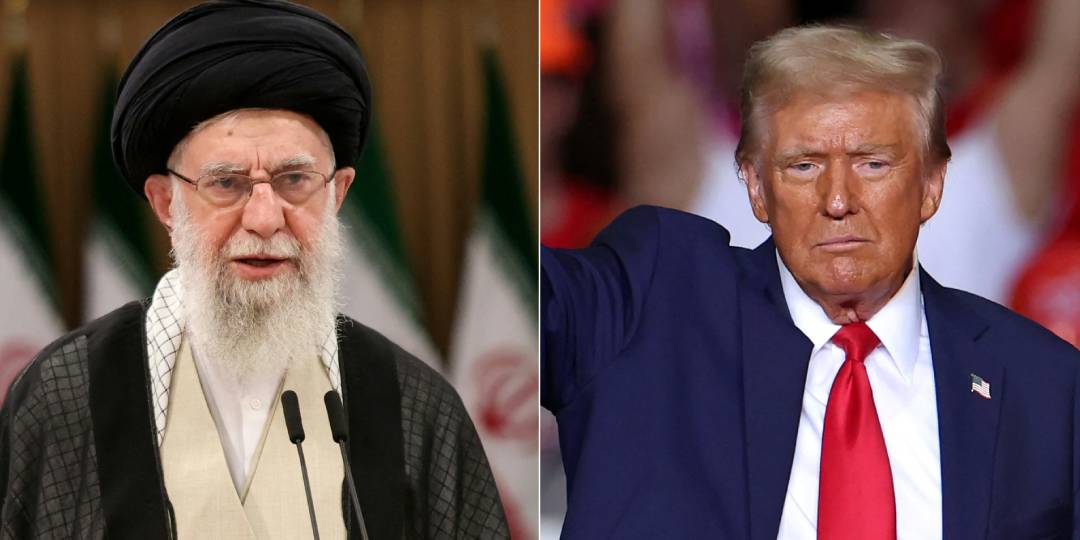
As diplomatic uncertainty persisted, President Trump escalated his rhetoric toward Tehran’s leadership. In an interview with NBC News, he said Iran’s supreme leader Ayatollah Ali Khamenei should be “very worried,” noting that negotiations were underway.
Trump has refused to rule out further military action against Iran following US strikes on Iranian nuclear sites during Israel’s war with Iran last June. He also said Iran had considered starting work on a new nuclear facility after those strikes, warning that any such move would prompt a severe response.
Military Pressure in the Region
The United States has deployed an aircraft carrier group to the Middle East, which Trump has described as an “armada.” One of its aircraft shot down an Iranian drone earlier this week, according to US officials. Iran has warned it would retaliate against US targets in the region if attacked.
Protests and Human Toll Shape the Background
The talks take place against the backdrop of Iran’s crackdown on widespread protests, described by rights groups as among the deadliest since the 1979 Islamic Revolution. Iranian authorities say the unrest began as peaceful demonstrations before turning into riots involving killings and vandalism, which they blame on foreign enemies including the United States and Israel.
Tehran has acknowledged more than 3,000 deaths during the unrest. However, the Human Rights Activists News Agency, a US-based organization, says it has confirmed 6,872 deaths, most of them protesters killed by security forces. Other rights groups warn the true figure could be significantly higher.
The violence and subsequent internet blackouts have deepened tensions between Iran and Western governments, adding urgency and risk to the upcoming talks.
What Is at Stake
The outcome of the Iran-US nuclear talks could determine whether diplomacy prevails or whether the region edges closer to renewed military confrontation.
Key points under discussion or dispute include:
The scope of Iran’s nuclear activities and international oversight
Whether missile capabilities will be addressed
US military posture in the Gulf region
Potential consequences if negotiations fail
Conclusion:
While both Tehran and Washington have confirmed that Iran-US nuclear talks will take place in Oman, deep disagreements over the agenda and continued military pressure underline the fragility of the process. With warnings from President Trump and firm red lines from Iran, Friday’s meeting is expected to test whether limited diplomacy can proceed amid escalating regional tensions.