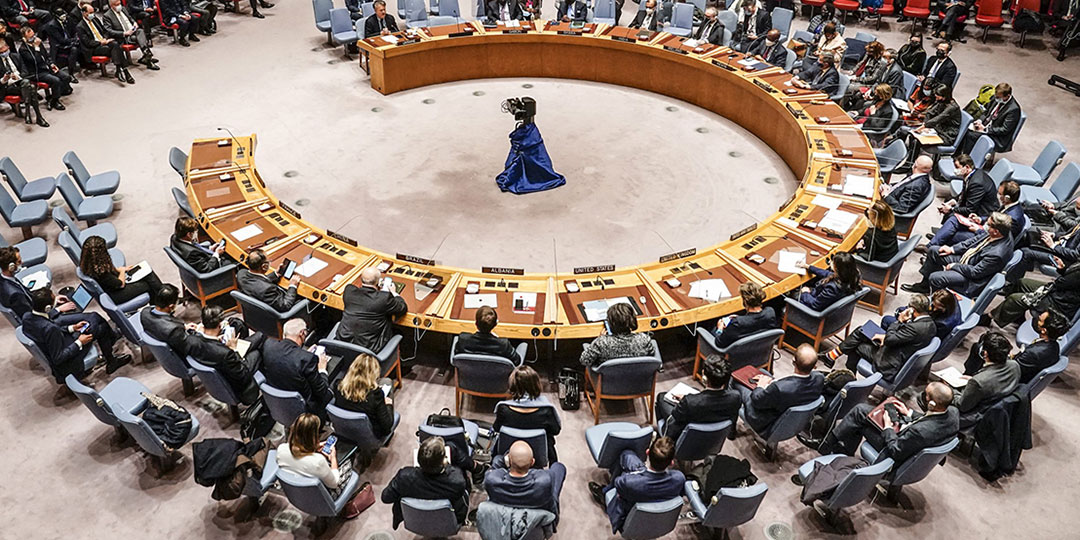

The Iranian nuclear issue remains a key focus at the United Nations Security Council, as the UN calls on all parties to return to constructive negotiations and seek a comprehensive peaceful settlement, while divisions among major powers deepen following Russia and China’s use of veto power over a move related to discussing Iran’s nuclear program.
UN Calls for Comprehensive Settlement of Iran Nuclear Issue
The United Nations renewed its call for all parties involved in the Iranian nuclear file to engage constructively and in good faith to reach a peaceful, comprehensive, and sustainable solution that supports international peace and security.
Speaking during a Security Council briefing, UN Under-Secretary-General for Political and Peacebuilding Affairs Rosemary DiCarlo stressed that establishing a framework for further negotiations remains a crucial step toward resolving the Iranian nuclear issue diplomatically.
She noted that the International Atomic Energy Agency (IAEA) has faced challenges in conducting field verification activities and monitoring Iran’s nuclear commitments due to deteriorating conditions on the ground.
Challenges Facing Nuclear Monitoring Efforts
According to the UN briefing, the IAEA has lost continuity of knowledge regarding Iran’s declared nuclear facilities following a decline in its ability to conduct verification activities.
The United Nations also highlighted the importance of previous agreements related to Iran’s nuclear program, emphasizing its readiness to support efforts aimed at bringing the parties back to the negotiating table.
Russia and China Use Veto Power at UN Security Council
In a related development, reports indicated that Russia and China used their veto power against a decision concerning discussions on Iran’s nuclear program at the United Nations Security Council.
The move reflects ongoing divisions among Security Council members over how to address the Iranian nuclear issue, as the UN continues efforts to keep diplomatic channels open.
International Disagreement Over Future of Nuclear Deal
The dispute at the Security Council comes amid continued international debate over the future of the Iranian nuclear agreement and mechanisms for monitoring Tehran’s nuclear activities.
Major powers remain divided over the steps required to ensure nuclear non-proliferation and prevent further escalation.
Diplomacy Remains the Main Path to Resolve Crisis
Despite political disagreements within the Security Council, the United Nations maintains that diplomacy remains the most important path toward achieving a long-term settlement on Iran’s nuclear program.
The organization continues to support possible negotiations aimed at ensuring nuclear commitments and strengthening regional and international security.
Conclusion:
The Iranian nuclear file continues to reveal deep divisions among global powers. While the United Nations pushes for renewed dialogue and a comprehensive diplomatic solution, Russia and China’s veto at the Security Council highlights the challenges facing international efforts to resolve the crisis.