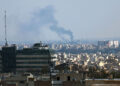
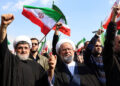
Iran’s Islamic Revolutionary Guard Corps announced on Sunday it had launched a new wave of missile strikes targeting Israel’s Tel Aviv and the Negev desert, along with US military installations across the Middle East region. The attack marks the 29th operational phase of what Tehran calls “Operation Honest Promise 4,” employing what Iranian officials described as new-generation aerospace missiles. The strikes come amid escalating military confrontation between Iran and the US-Israel alliance, following weeks of sustained aerial campaigns and retaliatory exchanges across the region.
The developments underscore the deepening military crisis unfolding in the Middle East, with Tehran issuing direct warnings to other regional powers and the United States stepping up military presence following additional combat casualties.
Iran’s Military Command Announces Fresh Attack Wave
Iran’s Revolutionary Guard Corps confirmed the operation through official state media channels. “The 29th wave of Operation Honest Promise 4 was launched with new-generation missiles of the aerospace force of the Islamic Revolutionary Guard Corps towards Tel Aviv, the Negev desert and terrorist American air bases in the region,” the statement read.
The announcement comes as part of Iran’s broader strategic response to what it characterizes as ongoing aggression from the US-Israel coalition. This latest wave follows the initial Iranian response on March 1, when Tehran launched extensive drone and missile barrages across the region.
Regional Oil Infrastructure Now in the Line of Fire
Iran’s military command escalated rhetoric by warning it would target regional oil infrastructure if Israeli strikes against Iranian energy facilities continued. Ebrahim Zolfaghari, spokesman for Iran’s central military command, issued the warning during state television remarks.
“The governments of Islamic countries are expected to warn the criminal America and the savage Zionist regime of such cowardly, inhumane actions as soon as possible,” Zolfaghari stated. “Otherwise, similar measures will be taken in the region, and if you can tolerate oil at more than $200 per barrel, continue this game.”
The threat carries significant implications for global energy markets and regional economic stability, with crude prices already volatile amid the conflict.
Israel Prepares for Prolonged State of Emergency
Israel’s military chief Lieutenant General Eyal Zamir warned on Sunday that the country’s state of emergency declaration could extend far longer than initially anticipated. “Israel has been under a state of emergency for two years; we must expect it to take much longer. Patience is required,” Zamir said in a military-released video statement.
The warning reflects the grinding nature of the conflict, with no clear diplomatic exit in sight. Israel has maintained heightened military readiness and air defense operations as Iranian attacks continue.
US Military Toll Rises as Combat Operations Intensify
The US military announced the death of a seventh American service member, marking an escalation in American combat casualties since the conflict began. According to US Central Command (CENTCOM), the service member died Saturday evening in Saudi Arabia from wounds sustained during Iran’s initial March 1 attacks.
CENTCOM’s statement indicated the soldier had been struck during “the Iranian regime’s initial attacks across the Middle East.” The military withheld the service member’s identity pending family notification protocols.
Pattern of Casualties Across US Deployment Zones
Six of the seven US deaths have occurred in Kuwait, struck during the same initial Iranian barrage. The concentration of casualties in Kuwait underscores Iran’s targeting strategy against US military infrastructure in the Gulf region.
On Saturday, US President Donald Trump and senior administration officials attended a dignified transfer ceremony for six of the fallen soldiers at a Delaware military base, signaling the political weight the conflict has assumed in Washington.
Escalation Timeline and Military Campaign Context
The current crisis intensified following a US-Israeli aerial campaign that commenced on February 28. Since then, Iran has responded with successive waves of drone and missile attacks targeting Israel and US military locations throughout the Middle East.
Key timeline events:
February 28: US and Israel launch mass aerial campaign against Iran
March 1: Iran launches initial retaliatory wave of drones and missiles
March 9: Iran announces 29th operational wave; US announces 7th combat death
Ongoing: Multiple Iranian threats targeting regional infrastructure and military bases
Conclusion:
The exchange of strikes between Iran, Israel, and the United States represents an unprecedented escalation in Middle Eastern military operations, with no immediate indication of de-escalation. Iran’s explicit warnings regarding regional oil infrastructure and its continued operational announcements suggest sustained Iranian determination to maintain pressure on adversaries. Meanwhile, Israeli and American military assessments indicate preparation for extended conflict, raising concerns about broader regional stability and global economic repercussions.