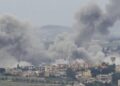
Human Rights Watch announced Monday that Israeli military conducted illegal deployment of white phosphorus munitions over Yahmar village in southern Lebanon. The accusation followed detailed field investigation by researchers from the international human rights organization specializing in documenting violations of international humanitarian law. Researchers reached conclusions after verifying seven photographs and precisely geolocating them, showing white phosphorus munitions exploding in air over residential area of town on March 3, according to British newspaper Guardian.
Accusations represent serious addition to growing record of complaints regarding potential use of weapons violating international humanitarian law in ongoing conflict between Israel and Hezbollah in Lebanon.
Human Rights Watch Investigation and Evidence
Detailed Field Investigation Methodology
Human Rights Watch announced researchers reached conclusions following careful verification of seven photographs with precise geolocation determination. Photographs showed white phosphorus munitions detonating in air over residential area of Yahmar village on March 3.
This scientific and methodological approach reflects high standards of verification followed by international human rights organization.
Specific Geographic Location
Accusations focused on Yahmar village in southern Lebanon, area experiencing massive displacement and intensive military operations since conflict between Israel and Hezbollah began March 2.
Selection of specific residential area indicates organization’s attempt to document potential violations against civilian population.
Precise Timeline and Documented Incident
Accusations centered on specific incident occurring March 3. This precise dating reflects attempt to establish concrete facts rather than general allegations.
White Phosphorus Characteristics and Health Dangers
Chemical Composition and Toxicity
White phosphorus represents highly toxic substance. Its combustion produces clouds of phosphorus pentoxide that subsequently react with moisture in air or in human lungs to form phosphoric acid.
This chemical process reflects serious health hazards associated with direct exposure to substance.
Flammability and Fire Risk
White phosphorus reacts violently with oxygen, meaning it can ignite and start fires on certain targets upon deployment.
This characteristic indicates dual dangers of substance: direct toxicity and fires resulting from combustion.
Direct Health Effects on Populations
Exposure to white phosphorus may cause severe burns, respiratory system inflammation, and gastrointestinal damage. Long-term health effects may prove dangerous and include organ damage.
Military Applications and Legality
Legitimate Military Uses
Militaries may legally use white phosphorus to obscure military operations, particularly to create smoke barriers covering force movements.
This legitimate use reflects substance use as defensive tool rather than direct weapon against individuals.
Non-Classification as Chemical Weapon Formally
White phosphorus is not formally listed as chemical weapon under Chemical Weapons Convention. This legal status reflects ambiguity in international law regarding substance classification.
Potential Violations of International Law
Protocol III of Convention on Certain Conventional Weapons
Using white phosphorus against humans in civilian areas constitutes violation of Protocol III of Convention on Certain Conventional Weapons.
This protocol specifically prohibits certain incendiary weapons use in populated areas or near civilian concentrations.
Protection of Civilian Population
International humanitarian law requires militaries take all reasonable measures to reduce civilian casualties during military operations.
Choice of specific residential area for white phosphorus use suggests potential breach of this obligation.
State International Obligations
States bear responsibility ensuring military forces comply with international humanitarian law. Failure to do so may constitute war crime.
Organization Position and Researchers
Rami Kais Statement and Core Concern
Rami Kais, researcher on Lebanon affairs at Human Rights Watch, stated in official statement “Israeli military’s illegal white phosphorus use over residential areas is deeply concerning and will have grave consequences for civilians.”
This statement reflects organization’s firm position on potential violations.
Call for Accountability
Human Rights Watch implicitly demands accountability for any illegal weapons use. Organization believes accountability necessary to protect civilians in future conflicts.
Broader Context of Conflict
Israel-Hezbollah War
War between Israel and Hezbollah began March 2 after Hezbollah launched rockets at Israel in response to death of Iranian Supreme Leader Ali Khamenei.
Israel intensified airstrikes on Lebanon significantly since start of war.
Mounting Complaints of Violations
New accusations add to growing record of complaints regarding potential weapons violating international law in conflict. Previous complaints included use of cluster munitions and conventional weapons in populated areas.
Precarious Situation of Civilians
Civilian population in southern Lebanon suffers disproportionately from conflict effects. Over half million displaced from homes since war began.
International Humanitarian Law and Responsibility
Standards of International Law
International humanitarian law requires discrimination between military targets and civilians, proportionality in military operations, and reasonable precautions reducing civilian casualties.
Weapon use in populated areas violates these standards.
International Accountability Mechanisms
Multiple mechanisms exist for accountability on international humanitarian law violations, including international investigations and referrals to International Criminal Court.
Yet mechanisms often prove slow and depend on international political will.
Human Impact and Health Effects
Direct Health Damage
Civilian population in targeted areas may suffer severe burns, respiratory diseases, and gastrointestinal damage. Long-term medical effects may prove extremely dangerous.
Psychological Trauma and Displacement
Beyond direct health harm, population suffers severe psychological trauma and forced displacement from homes. These factors compound humanitarian crisis.
Pressing Medical and Humanitarian Needs
Urgent need exists for medical care, first aid, and humanitarian assistance for affected population. Yet ongoing military operations impede aid delivery.
Documentation and Investigation Standards
Geolocation Verification Methods
Researchers used satellite imagery, photograph metadata, and geographic reference points to verify incident locations. This methodological rigor ensures reliability of conclusions.
Photographic Evidence Analysis
Seven photographs provided basis for investigation. Researchers analyzed image quality, timing indicators, and environmental features confirming incident location and date.
Standards Exceeding Typical Reporting
Human Rights Watch applied verification standards exceeding typical journalism practices. This approach enhances credibility of findings in international forums.
Conclusion:
Human Rights Watch accusations regarding illegal white phosphorus use represent serious addition to growing record of complaints on potential violations in Israel-Hezbollah conflict. Accusations rest on detailed field investigation meeting high verification standards. Accusations highlight gap between international law and actual practices in modern warfare. Protecting civilians and ensuring international humanitarian law compliance requires strong political will from all parties and effective accountability mechanisms. Urgent need remains to end hostilities and protect vulnerable populations from further harm.