
The danger to human health from plastic production, use, and disposal is expected to increase dramatically in the coming years without urgent global intervention, according to a warning issued by researchers on Tuesday.
A study conducted by a British-French research team analyzed the extensive health risks associated with the entire lifecycle of plastic, from the extraction of oil and gas for its production to its final disposal in landfills. The researchers noted that their model does not yet account for all potential harm, such as the effects of microplastics or chemicals leaching from food packaging.
“This is undoubtedly a vast underestimate of the total human health impacts,” lead author Megan Deeney of the London School of Hygiene & Tropical Medicine told AFP.
The study, published in *The Lancet Planetary Health*, is the first to quantify the global loss of healthy life years due to plastics. Using a metric known as Disability-Adjusted Life Years (DALYs), which measures years lost to premature death or disability, the research projects a significant rise in health burdens.
Under current trends, the number of DALYs attributed to plastic is forecast to more than double, from 2.1 million in 2016 to 4.5 million by 2040. The largest health impacts were linked to greenhouse gas emissions from plastic production, followed by air pollution and exposure to toxic chemicals.
A Global Public Health Crisis
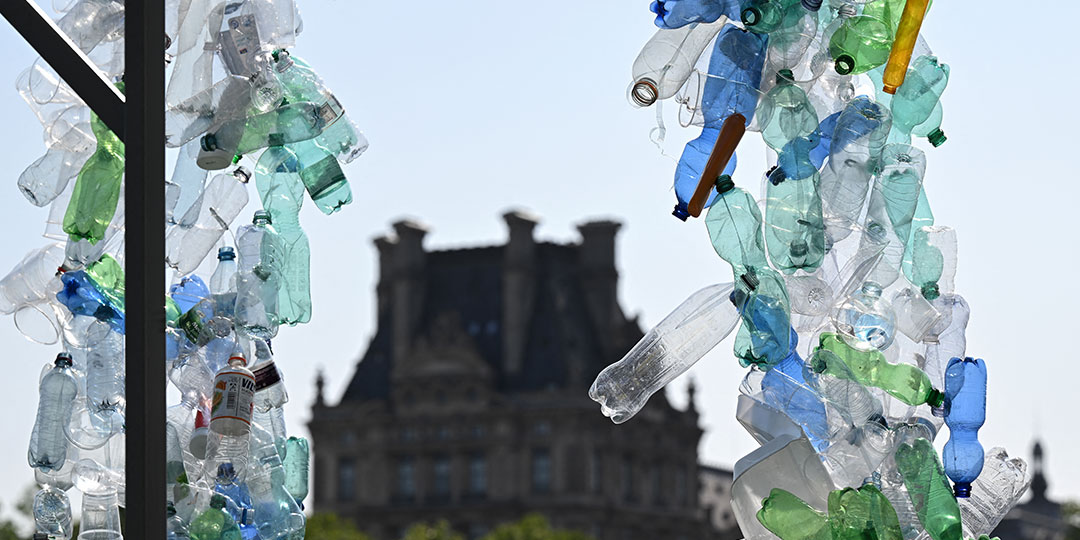
To illustrate the lifecycle, Deeney cited the example of a plastic water bottle, which, like over 90% of all plastics, originates from fossil fuels. Its production involves numerous chemical processes at petrochemical plants, such as those in a region of Louisiana in the United States known as “cancer alley” due to its high concentration of industrial facilities.
After its use, the vast majority of plastic ends up in landfills, where it can take centuries to decompose while releasing harmful chemicals.
The study also found that increased plastic recycling offers minimal benefits to health compared to reducing plastic production itself. Deeney stated that the most effective action is to decrease the amount of “unnecessary” plastic created.
Efforts to establish a global treaty to address plastic pollution stalled in August due to opposition from oil-producing nations. However, Deeney stressed that individual countries can still implement national policies to tackle what she described as a “global public health crisis.”