
The U.S. Defense Department has acknowledged in a new report that the war in Iran has caused an ammunition shortage, following months in which the Donald Trump administration largely denied that such a problem existed. The Pentagon inspector general’s report said heavy ammunition use during the U.S. operation against Iran depleted strategic stockpiles and exposed industrial bottlenecks slowing the replenishment of those supplies.
The report comes as Congress said the first five months of the war on Iran have cost the Defense Department $38 billion, underscoring the military and financial burden created by the conflict.
Pentagon Report Reveals Strain on Ammunition Supplies
Heavy Use and Strategic Stockpile Shortfalls
The Pentagon inspector general’s report on the U.S. operation against Iran said ammunition consumption during Operation “Raging Fury” created a shortage in strategic stockpiles and revealed industrial obstacles that are hindering efforts to rebuild ammunition reserves.
The report also said the Defense Department has taken measures to accelerate production, but manufacturing constraints continue to slow the pace of replenishment.
A Contrast With Earlier Official Claims
In June, media reports said the United States had imposed restrictions on the use of its missiles, especially interceptors. The government denied the reports at the time, and Trump said the country had “huge amounts of ammunition.” The new report suggests the state of U.S. stockpiles was more complicated than the public was told.
Iranian Strikes Damaged U.S. Bases Across the Region
Extensive Damage in the Middle East
The Pentagon report said Iranian strikes, despite the heavy use of interceptor missiles, caused damage and destroyed hundreds of buildings and facilities at U.S. bases in Kuwait, Bahrain, Qatar, the UAE, Saudi Arabia, Iraq, Oman, and Jordan.
That shows the scale of the exchanges and how far the conflict spread geographically, affecting multiple American military sites across the region.
Damage to Military Aircraft
The document, covering the period from April to June 2026, also details damage to the U.S. air fleet, including the destruction of four F-15 jets, damage to one F-35, damage or destruction of seven KC-135 refueling aircraft, and the destruction of up to 30 MQ-9 Reaper drones.
These figures show that the war depleted not only missiles and ammunition but also caused major losses in U.S. aircraft and equipment.
Congress Puts the War’s Cost at $38 Billion
Five Months of Heavy Spending
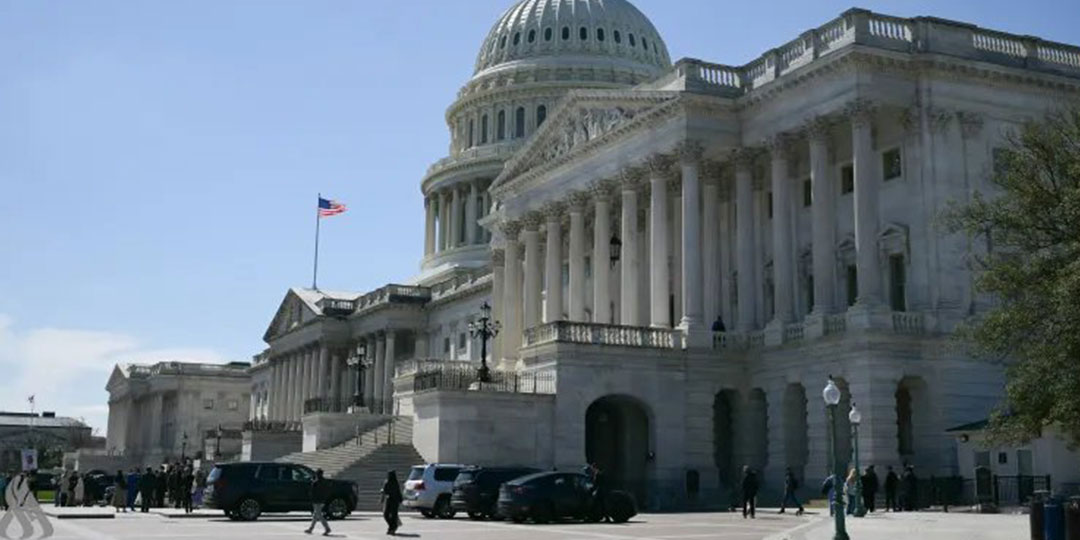
U.S. Congress said on Tuesday that the first five months of the war on Iran cost $38 billion. The Congressional Budget Office said the spending reflects direct military expenses incurred by the Defense Department during that period.
The office added that the conflict could cost between $2 billion and $3 billion per month, meaning the war would continue to put growing pressure on the U.S. budget if it goes on.
A Drain on Defense Stockpiles
The office also said the war has drained U.S. weapons stockpiles, including interceptor missiles. That supports the Pentagon report’s claim that ammunition shortages are a real issue, leaving Washington with the dual challenge of funding the war and maintaining military readiness at the same time.
Military, Industrial, and Economic Implications
Pressure on the Defense Industry
The report shows that the war’s effects went beyond the battlefield and reached the U.S. defense industry, which is struggling to replace depleted stocks quickly. That points to the production and supply-chain challenges facing the arms sector during major crises.
A Cost Beyond the Battlefield
Congress’s figures show that the war on Iran is a major financial burden beyond direct combat losses, including operating costs and the long-term drain on defense stockpiles and logistics capacity.
Conclusion:
The Pentagon report admits an ammunition shortage caused by the war in Iran, saying heavy missile and shell use depleted U.S. strategic stockpiles. At the same time, Congress says the first five months of the war cost $38 billion, highlighting the military, financial, and industrial burden the conflict has placed on Washington.