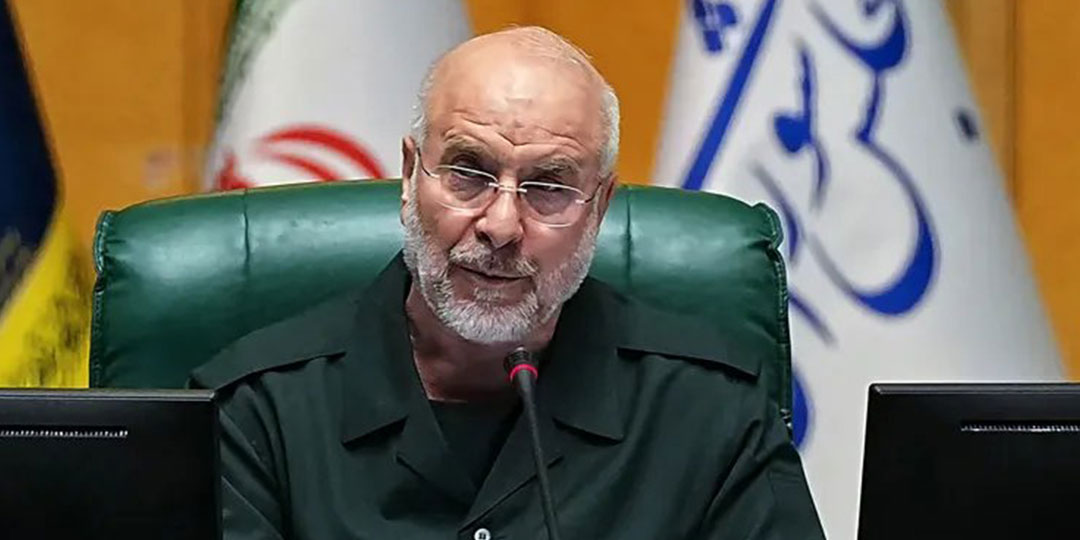

Iranian media reported that Mohammad Bagher Ghalibaf has been re-elected as Speaker of Iran’s Parliament. In parallel, an Iranian delegation led by Ghalibaf traveled to Doha as part of a mediation track aimed at ending the war. Iran’s Foreign Ministry also confirmed ongoing communication with countries bordering the Strait of Hormuz to ensure maritime security, while emphasizing that current talks with the United States focus on ending the conflict.
The developments reflect simultaneous domestic continuity and intensified diplomatic engagement.
Ghalibaf re-elected as Speaker of Parliament
Fars News Agency reported that Mohammad Bagher Ghalibaf was re-elected as Speaker of the Islamic Consultative Assembly.
The vote took place as part of the Parliament’s internal leadership procedures.
The re-election ensures continuity in legislative leadership during a sensitive regional period.
Political significance of the re-election
- Institutional continuity in Parliament
- Consolidation of legislative leadership
- Alignment between domestic governance and foreign policy
- Stability amid diplomatic negotiations
Iranian delegation travels to Qatar
According to IRNA, an Iranian delegation headed by Ghalibaf departed for Doha.
The visit forms part of a diplomatic process initiated in recent weeks through Pakistani mediation.
The delegation is expected to consult with senior Qatari officials on aspects related to negotiations to end the war.
Objectives of the Doha visit
- Strengthen diplomatic coordination
- Advance mediation efforts
- Discuss ceasefire-related proposals
- Explore regional de-escalation mechanisms
Foreign Ministry confirms Hormuz security coordination
Foreign Ministry spokesperson Esmail Baghaei stated that Iran is maintaining communication with countries bordering the Strait of Hormuz to ensure maritime security.
He emphasized that Iran determines the timing of any response to hostile actions.
He reiterated that any aggressive move would be met with an Iranian response.
Strait of Hormuz security focus
The coordination includes:
- Ensuring safe navigation
- Regional consultation
- Preventing maritime escalation
- Maintaining strategic deterrence
Focus of talks with the United States
Baghaei clarified that current discussions with Washington are centered on ending the war.
He stressed that Iran is not negotiating the nuclear file at this stage.
He also noted that halting aggression against Lebanon is part of any potential agreement.
Negotiation priorities
- Ending the war
- Ceasefire provisions
- Protection of Iranian interests
- Exclusion of nuclear negotiations for now
Role of regional mediation
Baghaei indicated that recent developments resulted from Pakistani and other regional mediation efforts.
He confirmed ongoing efforts to reach the best possible outcome in line with Iran’s national interests.
He described the process as part of sustained discussions over recent weeks.
Mediation dynamics
- Pakistani diplomatic engagement
- Multilateral consultations
- Gradual reduction of gaps
- Continued shuttle diplomacy
Concerns about US policy consistency
Baghaei stated that Washington frequently changes its positions, sometimes within hours.
He said there are no guarantees regarding US compliance with commitments.
He stressed that Iran remains focused on safeguarding its interests and is not influenced by threats.
Tehran’s negotiation stance
- Caution toward shifting US positions
- Demand for practical guarantees
- Emphasis on sovereignty
- Readiness to respond to escalation
Domestic stability and foreign diplomacy
The re-election of Ghalibaf coincides with intensified diplomatic efforts abroad.
This dual track suggests an effort to maintain institutional stability while pursuing conflict resolution through regional mediation.
Conclusion:
Mohammad Bagher Ghalibaf’s re-election as Iran’s Parliament Speaker comes alongside renewed diplomatic activity, including a delegation visit to Qatar under Pakistani mediation. Iran’s Foreign Ministry confirmed coordination on Strait of Hormuz security and emphasized that current talks with Washington focus solely on ending the war. The developments indicate a calibrated approach combining domestic political continuity with active regional diplomacy amid ongoing tensions.