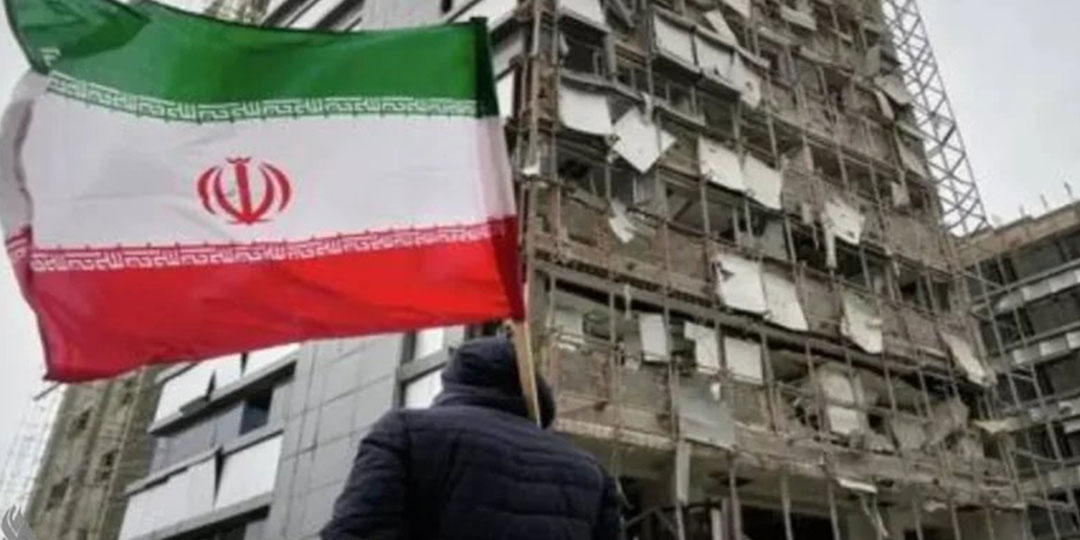

Iran’s UN mission declared Tuesday that regional stability remains impossible without permanent cessation of US aggression against Tehran. The Iranian delegation accused the United States of bearing responsibility for maritime disruption in the Hormuz Strait and threatening international navigation. Iran noted it is not a signatory to the UN Convention on Law of the Sea and therefore not bound by its provisions.
President Donald Trump countered, asserting Iran requested rapid opening of the Hormuz Strait and declaring Tehran informed him Iran faced economic collapse. Qatar rejected using the Hormuz Strait as leverage, calling instead for diplomatic solutions. US Secretary of State Marco Rubio labeled the strait an “economic nuclear weapon” Iran attempts to wield against the world. The escalating rhetoric from multiple parties underscores intensifying confrontation over maritime access and economic pressure in a strategically critical waterway controlling approximately 30 percent of global oil shipments.
Iran’s UN Mission Demands Halt to Aggression
Iran’s UN delegation issued firm demands. The mission stated: “Regional stability can only be achieved with permanent cessation of aggression against Iran.”
The delegation directly accused the United States: “The United States bears responsibility for maritime disruption in the Hormuz Strait and its actions threaten international navigation.”
Iran’s Legal and Political Arguments
Iran’s position rests on several foundations:
- Legal Non-Obligation: Iran not signatory to UN Law of the Sea Convention
- US Responsibility: America causes Hormuz problems through actions
- Right to Defense: Iran has right to protect its interests
- Regional Stability: Requires ending US aggression against Iran
- International Law: US practices violate international legal norms
Trump Declares Iran in Economic Collapse
The US president made stark declarations about Iranian weakness. Trump stated: “Iran wants us to open the Hormuz Strait as quickly as possible.”
He added: “Iran just informed us they are in economic collapse.”
Implications of Trump’s Statements
Trump’s declarations signal:
- US Confidence: American belief that pressure succeeds against Iran
- Iranian Weakness Claims: Economic conditions deteriorating rapidly
- Time Works for America: Suggests patience will force Iranian capitulation
- Imminent Settlement: Expects rapid Iranian surrender
Qatar’s Balanced Mediation Position
Qatar announced a measured stance. Spokesman Majed Al-Ansari stated: “Qatar rejects using the Hormuz Strait as leverage.”
He added: “Any threat or closure of the strait is unacceptable due to serious consequences for energy security and supply chains.”
Qatar’s Mediation Role
Qatar’s approach includes:
- Pakistan Coordination: Supporting Pakistani mediation efforts
- Leverage Rejection: Refusing to weaponize maritime access
- Diplomatic Solutions: Emphasizing dialogue over confrontation
- Energy Security: Protecting global energy interests
- Regional Stability: Prioritizing broader regional peace
Qatar’s Peace Framework
Qatar emphasizes:
- No Negotiation Expansion Needed: Focus on existing channels
- Diplomatic Solutions Preferred: Over military options
- Final Resolution Sought: Permanent end to conflict
- Avoid Renewed Conflict: Prevent escalation or stalemate cycles
- Sovereignty Protection: While maintaining defensive capabilities
Secretary of State Rubio Hardens US Rhetoric
The US top diplomat adopted more aggressive language. Rubio declared: “The Hormuz Strait is an economic nuclear weapon Iran tries to use.”
Rubio described Iran’s situation: “All problems Iranians faced before this conflict remain or worsened, but now they have half their missiles, own no factories, and have no navy.”
Rubio’s Assessment of Iranian Weakness
Rubio’s analysis portrays:
- Military Degradation: Significantly reduced military capabilities
- Economic Pressure Success: Sanctions effectively damaging Iran
- Escalation Possible: Additional measures available if needed
- Iranian Desperation: Iran seeking escape from predicament
- Economic Weapon: Hormuz is Iran’s remaining leverage tool
Rubio’s Characterization of the Blockade
Rubio clarifies the nature of restrictions:
- Targeted Blockade: Against Iranian shipping specifically
- Legally Justified: Claims Iranian activities illegal
- Exceptional Pressure: Pressure levels extraordinary
- Further Escalation Possible: More measures available
- Justice-Based: Iran cannot be sole beneficiary of illegal systems
Dispute Over Hormuz Disruption Responsibility
Parties disagree fundamentally on causation:
Iranian Position:
- United States responsible for strait disruption
- American blockade disrupts navigation
- America threatens international commerce
- Solution requires ending American aggression
American Position:
- Iran closes strait as economic weapon
- Iran imposes illegal fees
- Iran detains vessels
- Solution requires Iranian capitulation
International View:
- Both parties bear responsibility for tension
- Comprehensive settlement required
- International navigation protection paramount
- Global energy security essential
Impact on Global Energy Security
The crisis has widespread consequences:
Price Effects:
- Oil and gas prices elevated
- Instability increases prices further
- Consumers pay higher energy costs
Supply Consequences:
- Risk of oil supply disruption
- Supply chain impacts
- Potential energy shortages
Economic Impact:
- Economic growth affected
- Inflation increases
- Import-dependent nations suffer
Ongoing Mediation and Negotiation Efforts
Diplomatic efforts continue:
Pakistan’s Role:
- Primary mediator between parties
- Facilitating direct and indirect talks
- Seeking common ground
Qatar’s Supporting Role:
- Backing Pakistani mediation
- Coordinating with other parties
- Providing dialogue platforms
Other Nations’ Involvement:
- UN monitoring situation
- European nations supporting settlement
- Asian nations expressing interest
Potential Development Scenarios
Multiple trajectories remain possible:
Positive Scenario:
- Negotiation breakthrough within weeks
- Hormuz Strait opening
- Relationship normalization
- Regional stability achieved
Negative Scenario:
- Negotiation failure
- Military escalation resumption
- Complete strait closure
- Global economic crisis
Moderate Scenario:
- Extended negotiations
- Partial agreements
- Continued tension but controlled
- Fragile stability
American Pressure and Iranian Response Dynamics
The crisis exhibits escalating pressure:
American Pressure:
- Comprehensive economic sanctions
- Strict naval blockade
- Military threats
- Media campaigns
Iranian Response:
- Resistance and resilience
- Maritime leverage deployment
- Diplomatic maneuvering
- Economic self-protection
Metrics for Success and Failure
Negotiation outcomes measurable through:
Success Indicators:
- Safe Hormuz Strait passage restored
- Economic sanctions lifted
- Normal trade resumed
- Permanent regional stability
Failure Indicators:
- Continued sanctions and blockade
- New military escalation
- Strait closure
- Global economic crisis
The Broader Strategic Context
The Hormuz dispute occurs within wider confrontation:
Energy Dependence:
- Global reliance on Persian Gulf oil
- Approximately 30% global shipments transit strait
- Alternative routes limited
- Supply disruption catastrophic
Economic Implications:
- Oil price spikes affect global economy
- Supply chain disruptions widespread
- Inflation pressures increase
- Recession risks heighten
Geopolitical Dimensions:
- Great power competition
- Regional hegemony struggle
- Alliance formations
- Proxy conflicts
Historical Precedents and Lessons
Past crises offer instructive lessons:
- 1973 Oil Embargo: Demonstrated strait vulnerability
- 2011 Iranian Threats: Raised closure concerns
- 2019 Tanker Attacks: Showed vulnerability
- 2020 Soleimani Killing: Escalated tensions dramatically
International Law and Sovereignty Questions
The dispute raises legal complexities:
- UN Convention Applicability: Iran’s non-signatory status
- Innocent Passage Rights: International maritime law principles
- Strait Closure Legality: Disputed legal foundations
- Blockade Legitimacy: Contested under international law
- WTO Implications: Potential violations of trade rules
Oil Market Reactions and Economic Consequences
Markets respond to uncertainty:
Price Volatility:
- Oil futures trading elevated
- Shipping insurance costs rise
- Commodity prices unstable
- Currency markets affected
Investment Impact:
- Reduced regional investment
- Capital flight concerns
- Business confidence declined
- Market uncertainty increased
Consumer Effects:
- Gasoline prices rise
- Transportation costs increase
- Goods prices elevated
- Inflation pressures mount
Conclusion:
The escalating confrontation over Hormuz Strait access reflects fundamental disagreement between Iran and the United States regarding regional power, economic leverage, and maritime rights. Iran’s demand for cessation of American aggression contrasts sharply with American confidence that economic pressure will force Iranian capitulation.
Qatar’s mediation efforts and Pakistan’s diplomatic engagement represent attempts to find negotiated solutions, yet the gap between American and Iranian positions remains substantial. Trump’s assertions of Iranian collapse may prove premature, while Iran’s insistence on respecting its rights suggests protracted negotiations ahead.
The coming weeks will determine whether diplomatic channels produce breakthrough agreements or whether escalating pressure leads to broader military confrontation with catastrophic global economic consequences. Energy security, international commerce, and regional stability all hang in balance as these forces contend for control of one of the world’s most strategically critical waterways.