
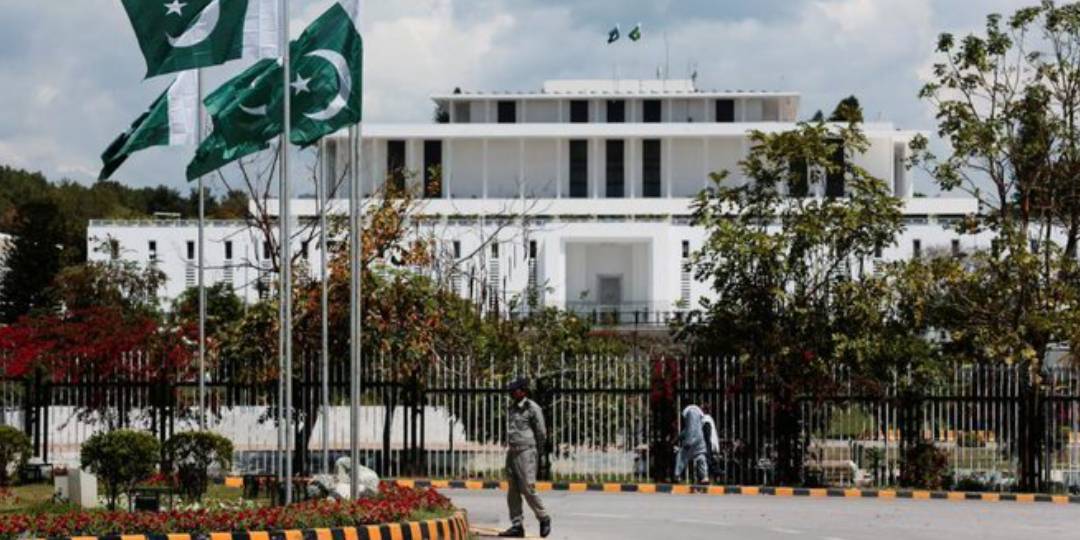

Iran announced Monday that it will send a negotiating delegation to Islamabad Tuesday to participate in second-round talks with the United States, marking reversal from earlier skepticism toward engagement. Wall Street Journal reported Iran informed mediators of intention to dispatch delegation coinciding with arrival of American delegation led by Vice President JD Vance. However, President Trump imposed strict conditions, announcing ceasefire ends Wednesday evening Washington time and declaring Iranian nuclear disarmament the sole non-negotiable demand in any agreement.
The accelerated diplomatic timeline creates extreme time pressure, leaving negotiators merely 36 hours to achieve comprehensive agreement before ceasefire expires. Iranian President Masoud Pezeshkian responded by emphasizing that “fulfilling commitments is basis for constructive dialogue,” implying Iran demands concrete American commitment to end naval blockade and threatening rhetoric. Trump simultaneously warned that “Strait of Hormuz will remain closed until final agreement” and reiterated unwillingness to “rush into bad agreement,” signaling conflicting messages about both urgency and flexibility.
Iran Announces Delegation to Islamabad Negotiations
Wall Street Journal reported Monday that “Iran informed mediators it will send delegation to Islamabad Tuesday to participate in negotiations.” Pakistani sources confirmed timing, stating: “We expect Iranian delegation to arrive Tuesday morning coinciding with arrival of American delegation.”
Iran’s decision to participate represents significant shift from earlier critical stance toward negotiations. Just days ago, Iran’s official news agency IRNA characterized American announcements as “media games designed to pressure Iran” and questioned viability of productive negotiations. The reversal suggests either changed calculation regarding negotiation prospects or response to high-level American commitment signaled by Vice President Vance’s participation in delegation.
Delegation Timeline and Coordination
Pakistani mediators specified precise timeline for negotiations:
- Tuesday Morning: Arrival of Iranian delegation in Islamabad
- Same Time: Arrival of American delegation with Vice President Vance
- Tuesday Afternoon: Beginning of second-round negotiations
- Wednesday Evening: Deadline for ceasefire expiration (Washington time)
- Available Negotiating Time: Approximately 36 hours for comprehensive agreement
The extremely compressed timeline reflects intense American pressure to achieve agreement quickly or allow ceasefire to expire and military operations resume.
Trump’s Strict Conditions and Non-Negotiable Demands
President Trump outlined rigid parameters for negotiations and settlement. Trump stated: “The essence of negotiations is one non-negotiable demand: Iran’s abandonment of nuclear weapons possession.”
Trump also declared: “Strait of Hormuz will remain closed until final agreement is reached” and “I will not rush into bad agreement and we have plenty of time.” The contradiction between expressing ample time availability while imposing 36-hour deadline reflects deliberate pressure strategy.
Nuclear Disarmament as Sole Non-Negotiable
Trump’s characterization of nuclear disarmament as sole non-negotiable demand signifies:
- Inflexibility: Point cannot be negotiated or modified
- Fundamental Requirement: Iran must agree without discussion
- Complete Abandonment: Requires full Iranian abandonment of military nuclear programs
- International Verification: Requires rigorous international inspection regime
- Zero Tolerance: No deviation permitted from this requirement
Ceasefire Expiration and Time Pressure
Trump announced Monday that “ceasefire will end Wednesday evening Washington time.” Bloomberg reported Trump saying: “It is highly unlikely ceasefire with Iran will extend if agreement not reached before expiration.”
This deadline means negotiators possess only approximately 36 hours to achieve comprehensive settlement. Extreme time pressure reflects deliberate American strategy to compel Iranian acceptance of American terms. Expiration of ceasefire would trigger resumption of naval blockade and potential military operations.
Threat of Resumed Operations and Pressure
Expiration of ceasefire would mean:
- Military Operations Resume: Blockade and naval operations restart
- War Threat: Potential return to comprehensive military operations
- Economic Pressure Continues: Sanctions and blockade enforcement
- Blockade Persistence: Refusal to extend respite without agreement
American Delegation Arrival Led by Vice President Vance
Trump confirmed Monday that “American negotiating delegation will arrive Islamabad within hours.” Trump told New York Post: “My Vice President JD Vance and American delegation are scheduled to arrive Islamabad within hours.”
Vice President Vance’s personal participation in delegation signals highest-level American commitment. Vice presidential involvement indicates administration treats negotiations as critical priority requiring senior political leadership. Vance’s presence enables rapid decision-making without delays for consultation with Washington.
Composition and Significance of American Delegation
Leadership by Vice President carries implications:
- Political Priority: Signals highest-level government commitment
- Decision-Making Authority: Vice President possesses authority for major decisions
- Clear Message: Indicates American seriousness about negotiations
- Rapid Negotiation: Enables quick decisions without bureaucratic delays
Iranian President’s Position on Commitment Fulfillment
Iranian President Masoud Pezeshkian stated Monday: “Fulfilling commitments is basis for constructive dialogue.” Pezeshkian further emphasized: “Deep historical mistrust in Iran regarding American government behavior remains.”
Pezeshkian added: “Non-constructive and contradictory signals from American officials carry bitter message.” These statements reflect Iranian demand for genuine American commitment to agreements and criticism of conflicting signals suggesting flexibility on American commitments.
Implicit Iranian Conditions
Pezeshkian’s statements suggest Iranian preconditions:
- American Commitment: United States must honor any agreement reached
- Blockade Termination: Immediate lifting of naval blockade required
- End Threats: Cessation of threatening rhetoric necessary
- Good Faith: Genuine intentions required, not media games
- Mutual Respect: Recognition of Iranian sovereignty essential
Trump’s Readiness for Direct Meetings
Trump expressed willingness for direct engagement with Iranian leadership. Trump stated: “I am ready to meet senior Iranian leaders if breakthrough achieved.”
Trump further noted: “My Vice President JD Vance and negotiating delegation are en route and will arrive Islamabad within hours.” This willingness for highest-level engagement signals American seriousness about negotiated settlement.
Significance of Presidential-Level Engagement
Willingness for direct Trump-Iranian leader meeting indicates:
- High-Level Dialogue: Potential for summit-level talks
- Personal Commitment: President’s personal involvement signals importance
- Rapid Resolution: Capacity for executive-level decisions
- Positive Signal: Suggests optimism about breakthrough potential
Continued Blockade and Pressure Strategy
Trump emphasized: “Strait of Hormuz will remain closed until final agreement reached.” This statement indicates:
- Pressure Continues: Economic pressure persists despite negotiations
- No Concessions: No relief from blockade without complete agreement
- Leverage Maintenance: Blockade retained as negotiating leverage
- Non-Urgent Approach: Despite tight deadline, refuses to rush
Pakistani Mediation and Diplomatic Coordination
Pakistani Foreign Minister Muhammad Ishaq Dar confirmed Monday with Iranian counterpart Abbas Araghchi “importance of communication to promote peace and regional stability.” These diplomatic communications reflect Pakistan’s active role as neutral mediator facilitating negotiations between adversaries.
Continuous Pakistani coordination suggests ongoing efforts to bridge positions and maintain momentum toward agreement despite fundamental disagreements between parties.
Broader Context and Multiple Pressure Sources
Negotiations occur within context of multiple pressures:
Pressure Factors:
- Time Pressure: Only 36 hours before ceasefire expiration
- Economic Pressure: Continued naval blockade enforcement
- Military Threats: Potential return to military operations
- Strict Demands: Non-negotiable American requirements
- Deep Mistrust: Fundamental Iranian doubt about American good faith
Possible Scenarios and Negotiation Outcomes
Multiple scenarios could emerge from negotiations:
Scenario 1: Limited Success
- Partial agreement achieved
- Renegotiation of some points
- Extension of ceasefire for further talks
Scenario 2: Failure
- No agreement reached by Wednesday
- Ceasefire expiration
- Resumption of blockade and military operations
Scenario 3: Iranian Acceptance
- Iran agrees to American terms
- Comprehensive agreement on nuclear disarmament
- Blockade lifted and relations normalize
High Stakes and Escalation Risks
Stakes increase with:
- High Political Level: Vice Presidential American participation
- Extreme Time Pressure: 36 hours for comprehensive agreement
- Strict Conditions: Non-negotiable American demands
- Deep Distrust: Fundamental Iranian doubt about American intentions
- Escalation Risk: Potential return to military operations
Divergence Between American and Iranian Positions
Fundamental gap exists between American and Iranian negotiating positions:
American Position:
- Nuclear disarmament sole non-negotiable demand
- Blockade continues until agreement
- No flexibility on core demands
- Time pressure to compel Iranian acceptance
Iranian Position:
- Requires genuine American commitment
- Demands blockade termination
- Needs end to threatening rhetoric
- Questions American good faith
Conclusion:
Rapid diplomatic acceleration sees Iran confirming delegation to Islamabad Tuesday negotiations while Trump imposes strict conditions and Wednesday ceasefire deadline. Extreme time compression creates near-impossible negotiating environment with merely 36 hours to achieve comprehensive settlement on issues requiring complex verification mechanisms.
Trump’s positioning of nuclear disarmament as sole non-negotiable demand coupled with continued blockade maintenance suggests American strategy of maximum pressure rather than genuine negotiating flexibility. Meanwhile, Iranian emphasis on “fulfilling commitments” reflects skepticism about American willingness to honor any agreement.
Wide gap between positions combined with extreme time pressure makes achieving comprehensive agreement by Wednesday highly unlikely. Most probable outcome involves ceasefire expiration without final accord, potentially triggering return to military operations and escalated tensions. Success would require both sides substantially narrowing positions in 36 hours, a task complicated by mutual distrust and incompatible core demands.