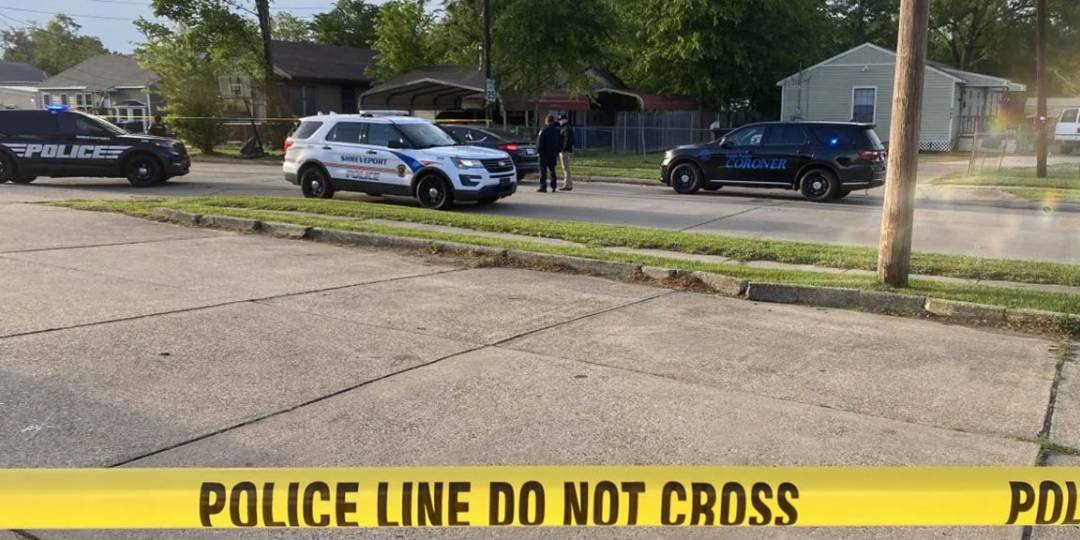

American police authorities announced today that eight children were killed and two others injured in a “widespread” mass shooting incident in Shreveport, Louisiana. The children killed ranged in age from one year to fourteen years old, representing a devastating human tragedy. Shreveport Police Spokesman Christopher Burdillon stated that the crime scene extended to two houses in the area and a third residence on a nearby street, indicating the sprawling nature of the violence.
Burdillon indicated that the shooter stole a vehicle near the incident site in an apparent escape attempt, but police patrols successfully pursued and killed the suspect during the chase. The incident reflects the severe crisis of armed violence in the United States and underscores the urgent need for comprehensive societal solutions to prevent such tragic occurrences. The deaths of innocent children have shocked the community and reignited national debate regarding gun control, mental health support, and law enforcement response protocols.
Details of Shooting Incident and Casualty Figures
Police responded to reports of a family dispute in Shreveport early morning today. Spokeman Christopher Burdillon stated: “Police responded to a report of a family dispute this morning, with the crime scene proving to be widespread in nature.”
Burdillon clarified: “The crime scene extended to two houses in the area and a third residence on a nearby street.” This statement indicates the incident did not remain confined to a single location but spread across multiple residential areas within the city.
Comprehensive Casualty Statistics
Burdillon provided specific casualty figures:
- Children Killed: Eight children
- Children Injured: Two additional children
- Total People Shot: Ten individuals
- Age Range of Victims: Between one year and fourteen years old
- Perpetrator Status: Killed during police pursuit
These figures underscore the indiscriminate nature of the violence and the vulnerability of young victims unable to defend themselves.
Sequence of Events and Police Pursuit
The shooting incident rapidly escalated following police response to the reported family dispute. The shooter apparently attempted to escape by stealing a vehicle near the incident location.
Burdillon stated: “The suspect stole a vehicle near the incident scene.” Police patrol units initiated pursuit of the stolen vehicle, and “during the pursuit, police opened fire on the vehicle, killing the suspect.”
Conclusion of Incident and Immediate Aftermath
The incident concluded with the perpetrator’s death during police pursuit. While this ended the immediate threat to public safety, it did not mitigate the profound trauma and suffering caused by the shooting for victims, families, and the community.
The shooting death during police pursuit raises important questions regarding:
- Use of Force Proportionality: Whether police response was appropriately measured
- Weapon Deployment Standards: Criteria governing police firearm use
- Public Safety Balance: Balancing perpetrator apprehension with community safety
- Accountability Mechanisms: Oversight of police shooting decisions
Family Connections and Crime Classification
Burdillon disclosed important information regarding victim relationships: “Some of the children killed were related to the suspect.” This disclosure suggests the incident may constitute domestic violence rather than a purely random mass shooting.
This information potentially indicates:
- Domestic Violence Context: The incident may have involved family conflict
- Targeted Violence: Some victims may have been specifically targeted by the perpetrator
- Emotional Crisis: The perpetrator may have experienced acute psychological distress
- Complex Family Dynamics: Underlying family disputes may have precipitated the violence
Broader Context of Armed Violence in America
This incident occurs within a continuing crisis of armed violence in the United States:
American Violence Statistics:
- Thousands of shooting incidents annually
- Hundreds of deaths yearly in similar incidents
- Disproportionate impact on children and families
- Absence of comprehensive solutions to address the epidemic
Structural Issues Underlying Violence
Recurring incidents point to underlying structural problems:
- Weapon Accessibility: Easy availability of firearms nationwide
- Threat Assessment: Inability to identify and prevent dangerous individuals
- Mental Health Crisis: Insufficient psychological support resources
- Legal Gaps: Loopholes in firearms regulation statutes
Community Impact and Collective Trauma
Such incidents inflict profound damage to communities:
Psychological and Social Effects:
- Witness trauma and psychological damage
- Grief of children who lost siblings or relatives
- Community fear regarding future incidents
- Erosion of public confidence in safety
Official Response and Investigations
Law enforcement initiated formal investigations into the incident. Investigation components likely include:
Investigation Areas:
- Crime scene evidence collection
- Witness interviews and victim statements
- Analysis of perpetrator motivation
- Assessment of police response protocols
Justice and Accountability Questions
Despite the suspect’s death during pursuit, important questions remain:
- Motivations: What factors drove the perpetrator to commit this act
- Prevention: How can similar incidents be prevented in future
- Responsibility: Who bears responsibility for conditions enabling the violence
- Justice: How can justice be achieved for victims and bereaved families
Need for Comprehensive Solutions
This incident highlights urgent need for multifaceted solutions:
Proposed Solutions:
- Stronger Legislation: Stricter laws regulating firearm access
- Mental Health Screening: Psychological evaluations for high-risk individuals
- Social Support: Programs supporting vulnerable families and individuals
- Public Education: Awareness campaigns regarding violence dangers and firearm risks
Civil Society and Organizational Roles
Civil society organizations can contribute through:
- Humanitarian Support: Providing aid to victims and affected families
- Political Advocacy: Pressing for stronger legislation
- Public Awareness: Increasing awareness of armed violence dangers
- Mental Health Services: Providing psychological support services
Long-Term Effects on Victims and Families
Affected families will experience long-term consequences:
Potential Long-Term Effects:
- Psychological Trauma: Extended psychological disorders
- Grief and Loss: Painful bereavement over loved ones
- Economic Hardship: Loss of family providers or dependent children
- Social Isolation: Feelings of isolation and social rejection
Statistics and American Patterns
Shooting incidents reflect concerning patterns in American society:
Concerning Patterns:
- High Incident Rate: Thousands of incidents annually
- Child Victims: Disproportionately high percentage of child victims
- Domestic Violence: Significant portion involves family disputes
- Similar Incidents: Recurring incidents with similar patterns
International Comparison and Global Standards
Armed violence rates differ dramatically internationally:
International Comparisons:
- United States: Exceptionally high rates of shooting incidents
- European Nations: Significantly lower incident rates
- Asian Nations: Varying rates depending on jurisdiction
- Causative Factors: Legislative, cultural, and socioeconomic differences
Conclusion:
The Shreveport, Louisiana shooting incident represents a devastating human tragedy claiming eight innocent children in the prime of their innocence. The deaths of children ranging from one to fourteen years old raises fundamental questions about public safety and armed violence in the United States.
The incident reflects systemic crises within security infrastructure and legal frameworks requiring comprehensive reform. The U.S. government and Congress face mounting pressure from civil society and affected families to implement decisive measures preventing such tragic occurrences.
Resolving this crisis will require multifaceted efforts encompassing stronger legislation, improved psychological support systems, and profound cultural transformation within American society. Until these steps are implemented, families of victims will carry the deep wounds of their devastating losses indefinitely. The nation must confront uncomfortable truths about the relationship between firearm accessibility, mental health support, and social cohesion to prevent future tragedies.