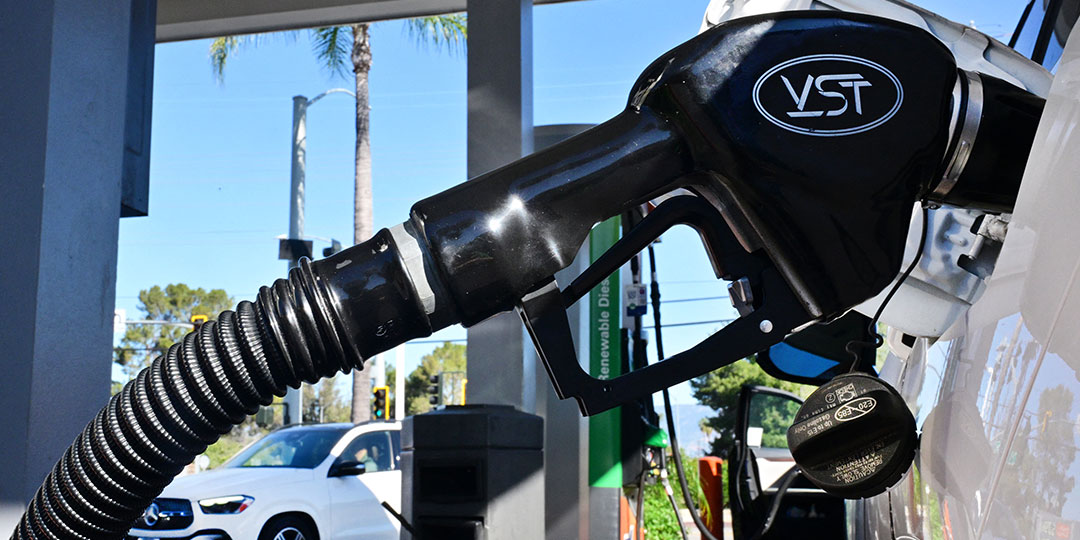

Oil prices rocketed higher on Monday as escalating Middle East tensions created severe concerns about sustained supply disruptions. West Texas Intermediate (WTI), the main US oil benchmark, surged 30 percent to reach $118.21 per barrel during early Asian trading on March 9, marking the highest level since Russia’s 2022 invasion of Ukraine. Brent Crude, the international benchmark, climbed 27.5 percent to $118.22 per barrel.
The dramatic surge follows recent developments in the Iran crisis, including the appointment of a successor to slain leader Ali Khamenei, which has intensified investor concerns about prolonged regional instability and potential supply disruptions.
Oil Markets React to Supply Disruption Fears
Global crude markets experienced volatile trading as investors braced for extended geopolitical fallout. WTI crude jumped above $100 per barrel for the first time in nearly four years, while Brent trading reflected similar pressure. The price movements reflect widespread anxiety that the Middle East conflict, which began on February 28, could create sustained constraints on oil production and export capacity.
Maritime traffic through the Strait of Hormuz, which handles approximately 20 percent of the world’s crude and natural gas flows, has nearly halted since the conflict began. This critical chokepoint’s vulnerability adds concrete supply risk beyond mere speculation about the crisis.
Why This Matters to Global Energy Markets
The oil price surge carries immediate implications for energy-dependent nations:
Japan, the world’s fourth-largest economy and fifth-largest crude importer, relies on the Middle East for 95 percent of its oil, with roughly 70 percent transiting the Strait of Hormuz
South Korea, the world’s fourth-largest crude importer, faces significant exposure to pricing pressure
China, the largest crude importer globally, is also heavily exposed to Middle East supply disruptions
Asian Markets Face Sharp Declines
Financial markets across Asia responded sharply to the oil shock. The Nikkei 225 in Tokyo fell approximately 5.8 percent after declining more than 6 percent earlier in the session. South Korea’s Kospi index dropped 6.7 percent, while Hong Kong’s Hang Seng Index sank 3.2 percent to 24,933.96.
Market analysts attributed the selloff to expectations that higher energy costs would pressure corporate profits, reduce consumer spending power, and increase inflationary pressures across Asian economies. The region’s heavy dependence on imported oil amplifies the impact of any supply disruption premium in global crude prices.
Government Responses and Market Outlook
Japan’s government has signaled potential intervention in oil markets. Prime Minister Sanae Takaichi disclosed that Japan maintains emergency oil reserves equivalent to 254 days of domestic consumption. Reporting suggests the Japanese government is considering releasing portions of its strategic reserves to moderate price pressures.
US President Donald Trump characterized the price surge as acceptable, stating on social media that short-term oil increases represent “a very small price to pay” for addressing Iran’s nuclear program. He predicted prices would drop rapidly once the nuclear threat is eliminated.
However, market participants remain skeptical of rapid resolution given the complex geopolitical dynamics and the demonstrated vulnerability of critical energy infrastructure in the region.
Key Factors Supporting Higher Oil Prices
The sustained price elevation reflects several structural concerns:
Prolonged shipping disruptions through Strait of Hormuz
Uncertainty regarding the extent and duration of production disruptions
Potential for additional military escalation affecting infrastructure
Limited spare production capacity among non-Middle East producers to offset losses