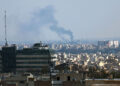
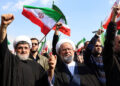
Israel announced Tuesday, March 17, 2026, that it killed Ali Larijani, Iran’s National Security Council Secretary and one of the most powerful figures in Iran’s government, along with Basij force commander Gholam Reza Soleimani, in airstrikes on Tehran during an intense night of bombardment. The announcement marks a significant escalation in an unprecedented regional war that has triggered worldwide economic repercussions, occurring on the eighteenth day of conflict.
Israeli Defence Minister Yoav Gallant stated that Larijani and Soleimani were “killed last evening” in the aerial strikes. Iran has not officially commented on the Israeli announcement. If confirmed, Larijani’s death represents a critical blow to Iranian governance, particularly following Supreme Leader Ayatollah Ali Khamenei’s death at the war’s outbreak, with Khamenei’s designated successor Mojtaba remaining absent from public appearances.
Larijani: Central Figure in Iranian Governance
Larijani, 68, ranked among Iran’s most influential officials. He enjoyed the confidence of Supreme Leader Khamenei before the latter’s death. Experts and analysts agree Larijani’s influence significantly increased following Khamenei’s assassination on February 28. His recent statements reflected heightened defiance toward Washington and Israel, suggesting his elevated role in directing Iranian response.
Expanded Role During War
Larijani’s prominence notably increased since the war’s commencement, particularly following Mojtaba Khamenei’s failure to appear publicly following his designation as Supreme Leader successor. Larijani effectively administered the Islamic Republic across all security, military, and regional policy dimensions.
Expert Assessment of Larijani’s Strategic Importance
Scholar David Khalfa told AFP that Larijani “was a key player in the continuity of the Iranian state and was effectively, for months, responsible for the regime’s survival, its regional policy, its defensive strategy within the framework of the new war Iranians had anticipated” following a June 2025 Israel-Iran conflict with limited US involvement.
Khalfa assessed that Larijani’s death, if confirmed, represents “a harsh blow to the regime because he is a historical figure in the Islamic Republic.” This evaluation underscores the strategic importance of losing Larijani to Iranian regime stability.
Netanyahu’s Statement: “Gang Leader”
Prime Minister Benjamin Netanyahu characterized Larijani as a “gang leader” effectively administering the Islamic Republic. In a recorded message, Netanyahu stated “this morning, we eliminated Ali Larijani, a gang leader who effectively runs Iran.” Netanyahu added “we are shaking this regime in hopes of giving the Iranian people an opportunity to rid themselves of it, and if we persist, we will give them the opportunity to determine their own fate.” This rhetoric reflects Israeli objectives aimed at destabilizing the Iranian government.
Social Media Activity Following Death Announcement
Immediately following the Israeli announcement of his death, Larijani’s official accounts on X and Telegram posted handwritten messages. The posts contained eulogy text for 84 Iranian sailors killed when an American submarine sank their frigate in the Indian Ocean earlier this month.
The posting of these messages following the Israeli death announcement may indicate unconfirmed status of the claim, or may represent part of a communications strategy responding to Israeli allegations.
Iranian Retaliation: Missile and Drone Strikes
Iran responded to Israeli airstrikes by launching missiles and drones toward Israel and Gulf states. One person died Tuesday from shrapnel from a ballistic missile intercepted over Abu Dhabi, according to Emirati authorities.
In Kuwait, two emergency medical personnel were wounded when shrapnel struck an ambulance center, according to Kuwaiti Health Ministry.
Explosions in Tehran and Jerusalem
Explosions were heard in Tehran Tuesday, according to AFP correspondents, following an intense night of bombardment accompanied by thunder and heavy rain. Explosions were heard in Jerusalem Tuesday following air raid sirens in northern Israel after detection of Iranian missile launches.
Conflict Expanding to Iraq
The war extended to Iraq where a rocket and drone attack targeted the American embassy in Baghdad Tuesday. Four people died in an airstrike on a Baghdad residence early Tuesday, according to Iraqi security officials.
One official reported the deaths of “two Iranian advisors” working with Iraqi factions loyal to Tehran. Neither Israel nor the United States acknowledge targeting Iraq, though Iranian-aligned factions accuse them of doing so.
Strait of Hormuz Crisis and Global Shipping
One-fifth of global crude exports pass through the Strait of Hormuz, with Iran threatening to target vessels transiting the passage. President Donald Trump called on countries to deploy warships escorting tankers, but none have agreed to do so.
European Rejection
French President Emmanuel Macron emphasized Tuesday that Paris is unprepared to participate in securing the strait “in current circumstances,” stating France might contribute to vessel “escort” once conditions become “calmer.”
British Prime Minister Keir Starmer announced Monday that Britain is working with allies on a “viable plan” to reopen the Strait of Hormuz, emphasizing it will not occur under NATO umbrella. Germany confirmed this “war is not NATO’s concern,” while Japan, Australia, Poland, Spain, Greece, and Sweden excluded any military intervention.
Resignation of US Counterterrorism Official
Joseph Kent, director of the US National Center for Counterterrorism, announced his resignation Tuesday in protest against the war against Iran. In his resignation letter to Trump, Kent stated “I cannot in good conscience support the ongoing war in Iran.”
Kent considered the Islamic Republic not to pose imminent threat to the United States, reflecting disagreements within the Trump administration regarding war justifications.
Trump Acknowledges Surprise at Iranian Response
Trump admitted Monday feeling “shocked” by Iran’s response to American-Israeli attacks, saying “they were not supposed to attack all these other Middle East countries.” This statement reflects unexpected scope of Iranian retaliation.
Escalation in Lebanon and Mounting Casualties
Israeli airstrikes renewed at dawn Tuesday on southern Beirut suburbs, with another strike on a town near Sidon. Three Lebanese soldiers died in two Israeli airstrikes on southern Lebanon.
Lebanon’s Health Ministry counted 912 deaths in Israeli airstrikes since war with Hezbollah began. Lebanese authorities announced over one million people registered as displaced since March 2, with over 130,000 sheltered in over 600 collective reception centers.
European Calls for Restraint vs. Israeli Determination
Canada, France, Germany, Italy, and the United Kingdom urged Israel to exercise restraint in Lebanon where the Jewish state announced “limited” ground operations against Hezbollah. However, Israeli President Isaac Herzog called on European countries to “support any effort aimed at eliminating” Hezbollah.
Tehran Residents Flee Northward to Caspian Quiet
The ongoing war appears distant from tranquil Caspian Sea resorts where explosions and checkpoints are absent and shops remain fully stocked. A woman in her thirties who fled Tehran said “people barely seem aware of a war” or “they don’t care much about it.”
Caspian Coast as Safe Haven
The Caspian coast lies approximately 200 kilometers north of the capital, beyond the Alborz Mountains, serving as a known tourist destination for Tehran residents. The coastline features milder weather compared to Tehran’s hot summer months, plus more lenient application of religious regulations regarding alcohol and extramarital relationships.
Price Inflation and New Economic Activities
In Tonekabon, another Caspian coast town, residents reported significant price increases. One local noted “everything is available in large quantities and major stores remain open as before,” but acknowledged evening atmosphere changes.
Notable beneficiaries of the new war economy include virtual private network (VPN) services and internet packages enabling residents to bypass tightened communications restrictions intensified since war’s outbreak. One Babol worker told AFP “most fast food restaurants in Babol have switched to this activity. Ostensibly they sell sandwiches, but their main activity these days is selling VPN services and internet at exorbitant prices.”
Conclusion:
If confirmed, Larijani’s death marks a decisive turning point in the regional war. The loss of Iran’s effective security administrator following Supreme Leader Khamenei’s assassination suggests profound depth of Israeli strikes against Iranian leadership. As Iran continues retaliating with missiles and the conflict expands geographically, and European allies refuse supporting Washington’s Strait of Hormuz demands, the regional war appears destined for a new phase of instability and worldwide economic chaos.