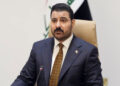
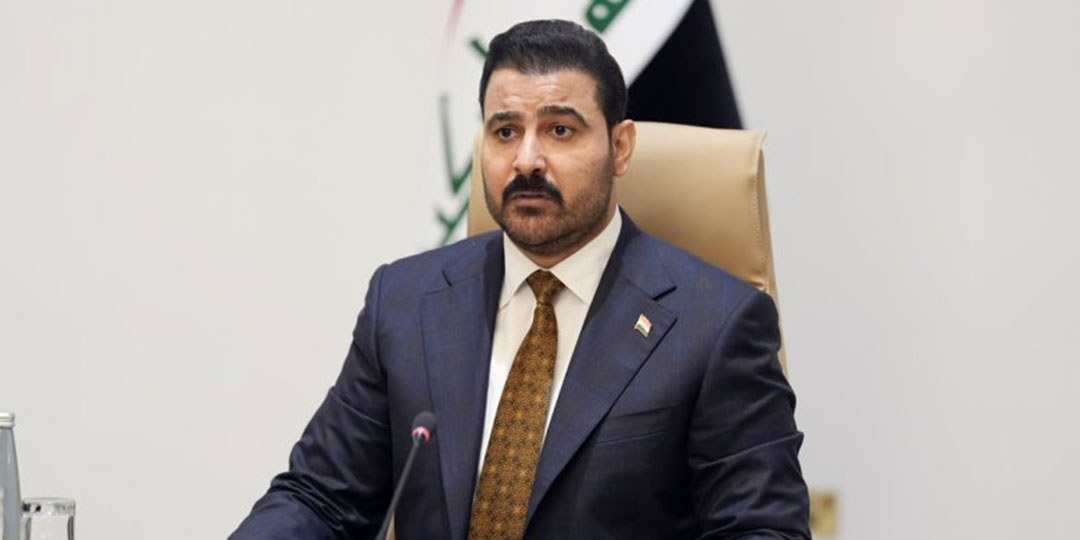

Prime Minister and Commander-in-Chief of the Armed Forces Ali Falah Al-Zidi affirmed on Tuesday that the state is intensifying its efforts toward protecting oil wealth in Iraq, vowing to prevent any faction from tampering with the people’s resources. During a high-level visit to the Najaf Governorate, Al-Zidi emphasized the pursuit of all individuals carrying weapons outside the law, stating that the government will not tolerate the theft of national assets under any pretext.
The visit featured an extraordinary session of the Council of Ministers held in Najaf, resulting in a series of developmental and security resolutions. Simultaneously, Parliament Speaker Hebat Al-Halbousi voiced full legislative support for security agencies in their drive to combat the illegal fuel trade. These coordinated moves align with the “Sawlat al-Fajr” (Dawn Charge) strategy, a legal campaign launched by the administration to enforce the rule of law and drain the financial resources of outlawed groups.
Sawlat al-Fajr and the Pursuit of Illegal Weapons from Najaf
Upon his arrival in the morning, Al-Zidi met with a delegation of tribal leaders and dignitaries from Najaf. He expressed his pride in the historical role of Iraqi tribes as a pillar of support for state institutions and national unity. The Prime Minister noted that the “Sawlat al-Fajr” operations, aimed at prosecuting corrupt officials through legal channels, will continue without interruption until all stolen public funds are recovered.
The Commander-in-Chief stressed that the disarmament of groups operating outside state control is a primary component of the plan for protecting oil wealth in Iraq. He clarified that any interference with national security or the siphoning of public wealth is a red line that will not be crossed. During the meeting, Al-Zidi also listened to the local service and urban requirements of Najaf, directing his office to follow up on these files with immediate priority.
The Strategic Plan to Clear Jurf al-Nasr and Secure Pipelines
Government Spokesman Haider Al-Aboodi provided critical security details regarding the Jurf al-Nasr district, confirming that an integrated plan has been established to clear the area of any parties meddling with oil resources. Al-Aboodi explained that intelligence confirmed through Interior Ministry surveillance cameras pointed to systemic pipeline tampering and the presence of unauthorized refineries in the sector.
Furthermore, the Council of Ministers approved the procurement of an advanced drone system for the Counter-Terrorism Service to enhance monitoring and pursuit capabilities. Al-Aboodi reiterated that oil and gas are the property of all Iraqis according to the Constitution, and no single entity is allowed to monopolize them. He added that the government would soon announce significant new developments regarding the crackdown on smuggling across various operational sectors.
Major Outcomes of the Cabinet Session in Najaf:
* Approval for the establishment of a Police College in Najaf to strengthen local security cadres.
* Implementation of 16 service and development projects out of 20 discussed to meet the province’s immediate needs.
* Issuing firm directives to the Commission of Integrity to pursue corruption networks linked to oil smuggling.
* Integrating comprehensive solutions for the (Watan) housing initiative into the 2027 fiscal budget.
* Equipping intelligence services with modern technology to monitor the national pipeline network 24/7.
Speaker Al-Halbousi Demands Absolute Accountability
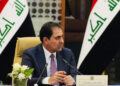
On the legislative front, Speaker Hebat Al-Halbousi declared his total support for the security forces in enforcing the law and ensuring the success of protecting oil wealth in Iraq. Presiding over the third meeting of the Parliamentary Committee 198, which is tasked with tracking the smuggling file, Al-Halbousi warned that the next phase would involve severe accountability for those who show negligence in their security duties.
Addressing committee members and security chiefs, Al-Halbousi stated that failing to protect oil sites, whether intentional or through oversight, would be met with harsh legal consequences. He clarified that Parliament will not only provide oversight but will actively support the executive branch in securing the country’s wealth, noting that economic and social stability for Iraqi citizens depends on the integrity of the energy sector.
Parliamentary Oversight and Coordination Mechanisms:
* Activating Committee 198 to trace the links of both domestic and international smuggling syndicates.
* Conducting field inspections of suspicious oil sites to evaluate the effectiveness of protective measures.
* Cross-referencing intelligence data with technical audits from the Ministry of Oil to identify production discrepancies.
* Submitting a comprehensive report to the full Parliament to identify entities involved in the waste of public funds.
Conclusion
The high-level coordination between Ali Falah Al-Zidi’s government and the Parliament led by Hebat Al-Halbousi demonstrates a genuine political will to establish state sovereignty over national resources. Strengthening the framework for protecting oil wealth in Iraq by clearing zones like Jurf al-Nasr and executing “Sawlat al-Fajr” represents the first step toward comprehensive economic reform. These efforts ensure that oil revenues are distributed with transparency and justice, adhering strictly to the constitutional mandates that govern the nation.