
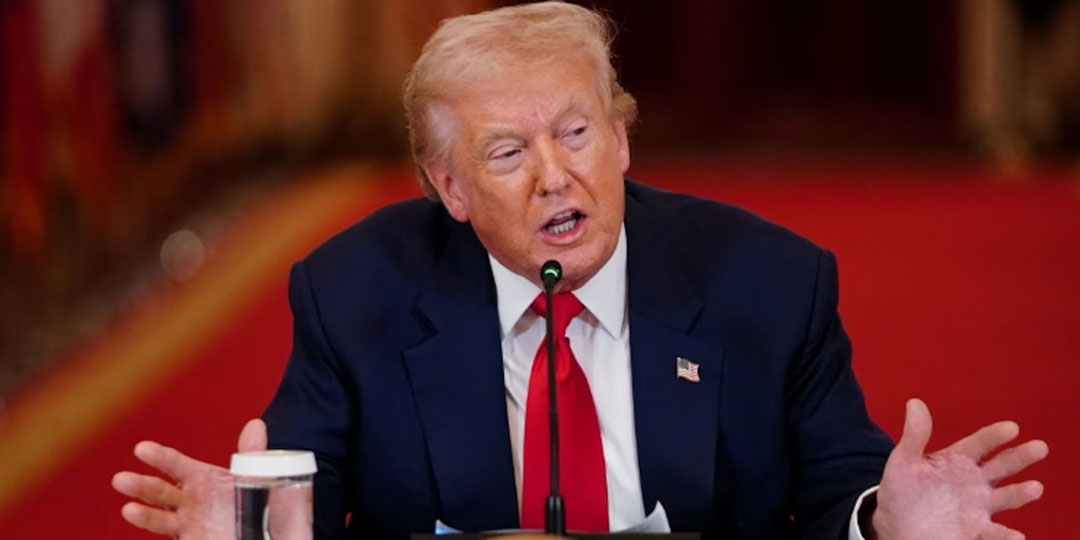

High-level diplomatic discussions officially began in Manila today as the Quad talks in the Philippines brought together the leaders of the United States, Japan, Australia, and India. This session marks the first time Donald Trump has participated in the Quadrilateral Security Dialogue as President of the United States. His presence at the table puts the future of this strategic alliance and its long-term objectives under an international spotlight, especially since the group has been a cornerstone of American foreign policy toward the Indo-Pacific region in recent years.
The meeting occurs at the conclusion of an expanded summit of Southeast Asian nations, where the four leaders seek to formulate a shared vision for the stability of critical international waterways. Observers view this gathering as a pivotal moment in Trump’s broader Asian tour. Following the Manila sessions, the President is scheduled to travel to Shenzhen, China, to participate in the Asia-Pacific Economic Cooperation (APEC) summit and hold a highly anticipated tripartite meeting with his Chinese and Russian counterparts.
Quad talks in the Philippines as a Test for US Foreign Policy
The Quad talks in the Philippines carry significant weight given the recent shifts in American diplomatic priorities. The group, commonly referred to as the “Quad,” was intensified by previous administrations as a primary mechanism for multilateral partnership in the region. Analysts are now closely watching how the current administration intends to leverage this legacy. The question remains whether Washington will continue to use the alliance as a collective balancing tool or if it will seek to recalibrate the partnership through the lens of bilateral deal-making and “America First” economic realism.
International reports indicate that this formal meeting takes place after a two-year hiatus since the last high-level gathering of the four nations. This gap highlights a desire among member states to regain consultative momentum on complex dossiers, including freedom of navigation in the South China Sea and the resilience of global technological supply chains. Washington’s engagement in this collective format serves as a reassuring signal to allies in Tokyo, Canberra, and New Delhi regarding the continuity of the American security commitment to the region’s strategic corridors.
Strategic Objectives of the Manila Quad Meeting
The discussions between the four heads of state focus on several vital files concerning international peace and security, including:
* Securing Maritime Lanes: Guaranteeing freedom of navigation in the Indo-Pacific and preventing unilateral attempts to alter the military status quo in contested waters.
* Technological and Digital Cooperation: Coordinating on artificial intelligence, cybersecurity, and 5G telecommunications networks to ensure shared technical superiority.
* Supply Chain Resilience: Building an economic ecosystem that reduces dependency on single-source markets and secures the flow of raw materials and semiconductors.
* Regional Crisis Management: Aligning disaster response and environmental protection efforts to support Pacific Island nations facing climate vulnerabilities.
Synergizing the Manila Summit with the Shenzhen APEC Mission
It is impossible to separate the Quad talks in the Philippines from the overall trajectory of President Trump’s Asian mission. Coordinating with major democratic powers in the region represents a proactive step before engaging in the APEC forum in China. These maneuvers demonstrate Washington’s intent to solidify its economic and political influence in the Pacific before sitting down with Chinese and Russian leaders. During the upcoming tripartite meeting in Shenzhen, topics such as global trade standards, the North Korean nuclear file, and the ongoing conflict in Ukraine are expected to dominate the agenda.
Experts in international relations suggest that Trump is using these Quad discussions to create a delicate strategic balance. On one hand, he is affirming the strength of regional security alliances; on the other, he is clearing a path for major economic agreements in China that serve domestic American growth priorities. This combination of defense diplomacy and economic pragmatism is likely to characterize the next phase of the US presence in Asia, where partnerships are viewed as essential vehicles for stability.
Implications of Asian Stability for Global Trade and Iraq
East and Southeast Asia serve as the primary engines of global economic growth in the 21st century, making the success of the Quad talks in the Philippines a matter of concern for the entire world, including the Middle East. Stability in Asian energy corridors ensures the smooth flow of oil exports and helps prevent sudden price shocks in international markets. Furthermore, a reduction in regional friction lowers shipping and logistics costs for the technological goods and consumer products that flow into the Iraqi and Arab markets.
Additionally, the American drive to enhance economic cooperation with Japan, India, and Australia may open doors for new investments in renewable energy and infrastructure. These are sectors where Iraq seeks to benefit from global expertise and technical partnerships. The inherent link between security in the Indo-Pacific and energy security in the Arabian Gulf makes the Manila summit an event with far-reaching consequences that transcend the immediate geography of the participating nations.
Conclusion:
The Quad talks in the Philippines involving President Trump represent the start of a new chapter in Asian geopolitical interactions. While allies test the depth of the American commitment to collective action, Washington is placing its weight behind a roadmap that balances security interests with economic gains. The outcome of this summit, and the subsequent meetings in China, will be the true determinant of future stability in one of the world’s most vital and complex regions.