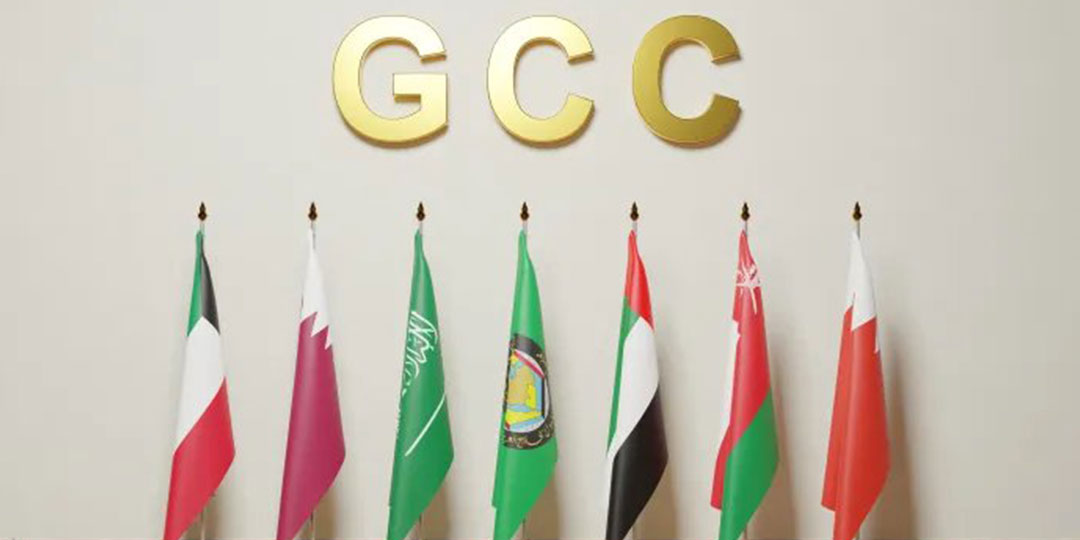

Tensions in the Gulf region have intensified following Iranian attacks targeting several countries, as the Gulf Cooperation Council called on the UN Security Council to take a firm position to ensure freedom of navigation in the Strait of Hormuz. Meanwhile, Qatar and the United Arab Emirates condemned the attacks against Jordan, Bahrain, and Kuwait, reaffirming their support for regional security and stability.
GCC Calls for Protection of Navigation in the Strait of Hormuz
The Gulf Cooperation Council called on the UN Security Council to adopt a firm stance to guarantee freedom of navigation in the Strait of Hormuz, warning that Iranian attacks on maritime routes threaten global energy security and international trade.
The council stated that continued escalation represents a serious threat to regional security, holding Iran responsible for the developments and calling for an immediate and unconditional halt to hostile actions.
Qatar Condemns Iranian Attacks on Jordan, Bahrain, and Kuwait
Qatar’s Ministry of Foreign Affairs strongly condemned the repeated Iranian attacks targeting Jordan, Bahrain, and Kuwait, warning of the dangerous consequences of continued escalation in the region.
Doha stressed the importance of preventing further instability and called for maintaining dialogue and diplomatic efforts to resolve disputes.
Qatar also reaffirmed its solidarity with the targeted countries and expressed support for the measures they take to protect their sovereignty and security.
UAE Reaffirms Support for Bahrain and Kuwait
The United Arab Emirates strongly condemned the renewed Iranian attacks targeting Bahrain and Kuwait with missiles and drones.
The UAE Ministry of Foreign Affairs stated that the attacks represent a violation of the sovereignty of Bahrain and Kuwait and pose a threat to their security and stability.
Abu Dhabi reaffirmed its full support for both countries and for all measures aimed at preserving their national security.
Growing Gulf Concerns Over Regional Security and Energy Routes
The Gulf positions come amid rising regional tensions and growing concerns over the impact of continued confrontations on maritime security and global energy supplies.
The Strait of Hormuz remains one of the world’s most important waterways, making any disruption to navigation a matter of international concern.
Calls to Prevent Further Escalation and Expand Dialogue
Despite the increasing tensions and official condemnations, Gulf countries emphasized the need to prevent the conflict from expanding and highlighted the importance of respecting state sovereignty and international law.
The countries continue to strengthen coordination efforts aimed at protecting regional security and maintaining stability amid rapidly developing events.
Conclusion:
The latest Gulf positions reflect increasing regional concerns over Iranian attacks and their consequences for national security and international navigation. Gulf states continue to call for international efforts to protect stability, secure maritime routes, and prevent further escalation.