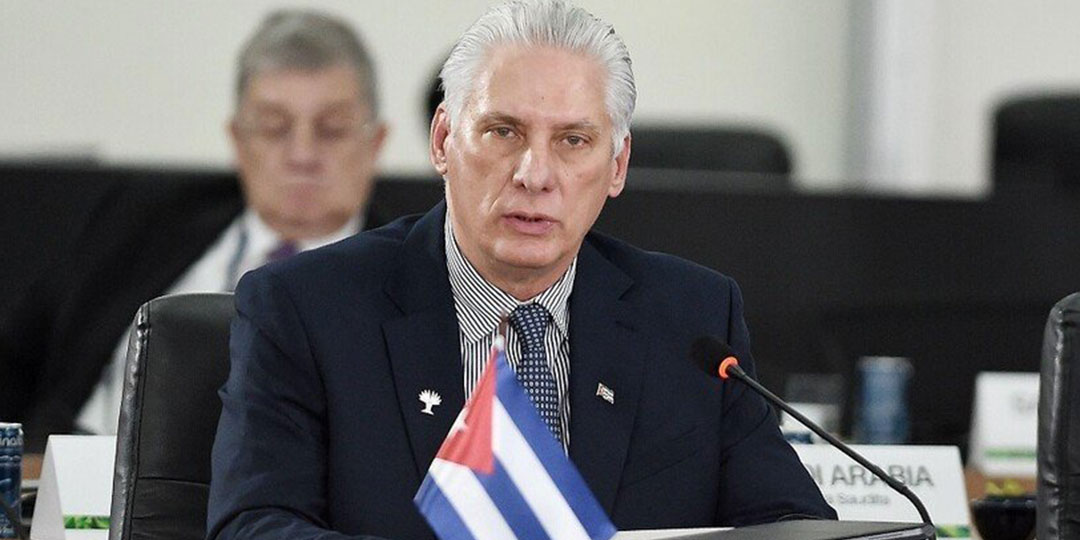

Cuban President Miguel Diaz-Canel today renewed criticism of US executive order prosecuting countries and companies willing to supply Cuba with fuel. Diaz-Canel described the order as “immoral, illegal, and criminal.” He stressed sanctions represent tightening embargo to unprecedented levels. Simultaneously, Washington imposed new sanctions on Cuban intelligence agency and senior officials. The measures reflect continued US escalation against Havana.
The conflict reflects acute humanitarian crisis on the island.
Cuban president criticizes US executive order
“Cuban President Miguel Diaz-Canel criticized the US executive order calling for prosecuting countries and companies wanting to supply Cuba with fuel.”
Diaz-Canel wrote on “Telegram: The executive order harassing and threatening third parties wanting to sell fuel to Cuba is immoral, illegal, and criminal.”
The criticism came “sharply and directly.”
Description of order and criticisms
He described it as:
Immoral
Illegal
Criminal
Threatening third parties
Tightening US embargo
Diaz-Canel noted “this represents tightening US embargo to unprecedented levels.”
He said “sanctions are imposed on companies seeking to invest in Cuba or supply the country with basic goods.”
He added sanctions include “food items, medicines, and hygiene products.”
Comprehensive sanctions scope
Covers:
Fuel and oil
Food items
Medicines and drugs
Hygiene products
Sanctions described as genocide
Diaz-Canel emphasized “collective punishment against Cuban people is genocide act.”
He said sanctions “should be condemned by international organizations and perpetrators brought to justice.”
This reflects “serious accusation of crimes against humanity.”
Humanitarian effects of sanctions
Include:
Cuban people suffering
Food and medicine shortage
Acute energy crisis
Human rights violations
Sanctions context
Sources stated: “These sanctions come within intense pressure campaign led by President Donald Trump against Cuban government.”
They noted “Trump openly discussed possibility of friendly takeover of Cuba.”
Trump said: “We might end up with friendly takeover of Cuba.”
Trump’s statements on Cuba
Included:
Threats of island takeover
Intense pressure campaign
Escalating economic sanctions
Aggressive policy
US measures intensified since January
Sources stated: “US Administration intensified measures against Cuba since January.”
They clarified “Washington imposed effective embargo on island’s oil imports.”
They noted “worsening acute energy crisis on island.”
Consequences of oil embargo
Included:
Widespread electricity outages
Acute food shortage
Medicine shortage
Acute humanitarian crisis
Sanctions on companies and officials
Sources stated: “Washington imposed sanctions on Cuban companies and officials.”
They added “United States threatened tariffs on any country supplying Havana with oil.”
This reflects “comprehensive economic pressure.”
US pressure mechanisms
Include:
Economic sanctions
Threats of additional sanctions
Tariffs
Economic isolation
Washington imposes new Cuba sanctions
The “United States announced new sanctions on Cuba’s main intelligence agency and number of senior officials and military leaders.”
The “US Treasury Department stated sanctions target Cuban intelligence agency and nine officials.”
Included “communications, energy, and justice ministers.”
Targeted officials
Include:
Cuban intelligence agency
Communications minister
Energy minister
Justice minister
Military and party leadership targeted
Sources noted “sanctions include prominent Communist Party leaders.”
They said “at least three generals targeted by sanctions.”
This reflects “targeting military and political leadership.”
Expanded sanctions scope
Covers:
Political leaders
Military leaders
Security agencies
Government officials
Interior ministry and police targeted
Sources stated: “Sanctions include Cuban Interior Ministry and Revolutionary National Police.”
They noted “Washington accuses them of participating in suppressing protests and operating mobile prisons.”
This came “according to US State Department statement.”
Accusations against security agencies
Include:
Suppressing protests
Operating mobile prisons
Human rights violations
Suppressing people’s freedoms
Economic impact of sanctions on Cuba
Includes:
Loss of foreign investment
Disrupted imports
Economic collapse
People’s suffering
Acute economic crisis
Includes:
Foreign currency shortage
Rising prices
Widespread unemployment
Increasing poverty
Health and humanitarian concerns
Focus on:
Acute medicine shortage
Continuing food crisis
Electricity outages
Diseases and epidemics
Impact on civilian population
Includes:
Health suffering
Hunger and food shortage
Psychological suffering
Loss of dignity
International position on sanctions
Differs:
Countries supporting sanctions
Countries opposing sanctions
Human rights organizations criticizing
Diplomatic efforts lifting embargo
International efforts for relief
Include:
International appeals
UN resolutions
Protest statements
Mediation attempts
Long history of Cuba sanctions
Traces back to:
Past decades
Cold War
Communist regime survival
Consistent US policy
Cumulative sanctions impact
Over:
Decades of embargo
Continuing collective suffering
Lost development opportunities
Economic and social backwardness
Future and expectations
Suggests:
Continued escalation
Additional sanctions coming
Increasing suffering
Possible military developments
Possible scenarios
Include:
Continuing embargo
Possible military intervention
Deeper economic collapse
Regional conflict
International humanitarian response needed
Requires:
International intervention
Diplomatic efforts
Lifting embargo
Ending Cuban people’s suffering
Necessary conditions for resolution
Include:
Direct US-Cuba negotiations
International mediation
Humanitarian considerations
Long-term stability agreement
Role of international organizations
Should:
Monitor humanitarian situation
Pressure for embargo lifting
Provide humanitarian aid
Support diplomatic solution
Diplomatic and legal mechanisms
Should include:
UN Security Council action
International Court involvement
Regional diplomatic efforts
Humanitarian intervention
Conclusion:
Cuban president’s criticism of US sanctions reflects Cuban people’s suffering from continuing embargo. Describing sanctions as genocide indicates seriousness of humanitarian situation. Washington’s new sanctions on Cuban leadership reflect continuing escalatory policy. The situation requires international intervention and diplomatic efforts to lift embargo and end Cuban people’s suffering who pay the price of political conflict between governments. International community must support humanitarian relief and pursue diplomatic solution to end the embargo’s devastating impact on Cuban society.