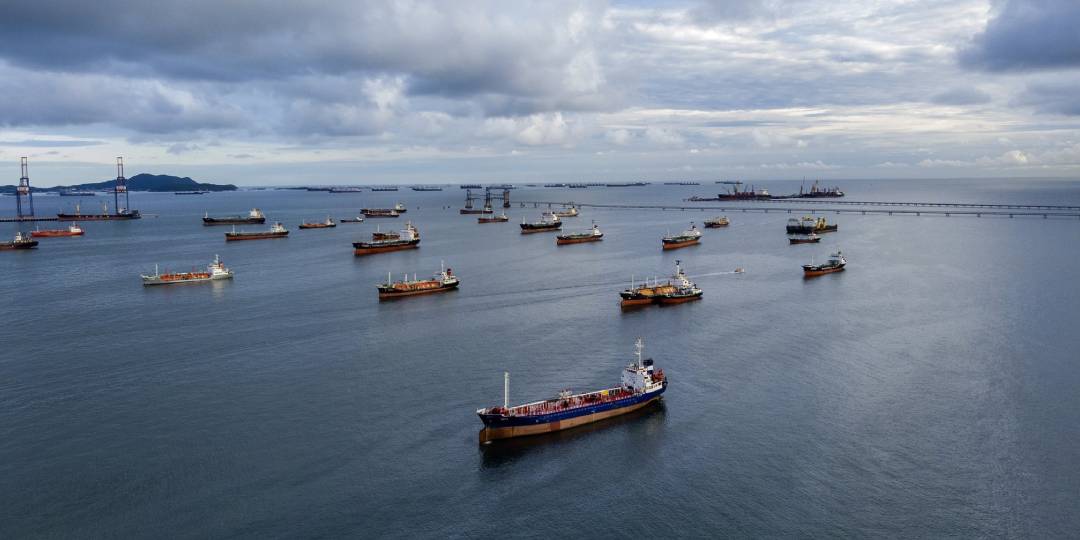

The US Central Command CENTCOM issued detailed report on first month of naval blockade against Iranian ports revealing 67 ships forced to change course. CENTCOM disclosed deployment of massive force including 15,000 troops, 200 combat aircraft, and 20 major warships. Simultaneously India launched 1.5 billion dollar maritime insurance fund protecting its ships from Middle East conflict. Developments reflect widening economic impacts of regional conflict on global trade.
CENTCOM reveals blockade results
The “US Central Command CENTCOM issued detailed report on first month of naval blockade imposed on Iranian ports.”
It revealed “forcing 67 commercial vessels to change course implementing naval blockade on Iran.”
CENTCOM stated: “United States has imposed for four weeks intensive blockade on all ships heading to Iranian ports or departing them.”
Blockade implementation details
The blockade includes:
• Forcing 67 ships to change routes
• Banning commercial vessels
• Allowing only limited humanitarian shipments
• Stopping non-compliant vessels
Economic blockade objectives
CENTCOM said blockade “aims to cut Iran’s economic lifeline in center of military conflict.”
This reflects “comprehensive American economic strategy.”
Indicates “attempt to weaken Iran economically.”
Intended economic impact
Targets:
• Halting Iranian oil exports
• Preventing commercial imports
• Weakening Iranian economy
• Creating political pressure
Deployed American forces
The report added CENTCOM “deployed massive force in region.”
The force included:
• “More than 15,000 troops”
• “200 combat aircraft and surveillance aircraft”
• “20 major warships”
Military force components
Include:
• Ground and naval forces
• Air forces in large numbers
• Strike warships
• Advanced surveillance capabilities
Operation results to date
CENTCOM clarified operation results as follows:
• “Forcing 67 commercial vessels to change course and comply with blockade”
• “Allowing only 15 humanitarian ships carrying aid to pass”
• “Stopping and halting movement of four vessels refusing to comply with instructions”
Ship types and handling
Ships classified as:
• Commercial ships: forced to change routes
• Humanitarian ships: allowed limited passages
• Non-compliant ships: stopped and halted
• Cooperative ships: allowed to proceed
Incidents forcing vessel retreat
The report noted “American forces forced early this week two additional commercial vessels to return.”
This occurred “after they failed to respond to radio communications.”
“Forces fired light warning shots toward them causing them to immediately retreat.”
Escalation of coercive measures
Measures included:
• Initial radio communication attempts
• Visual warnings
• Warning shot firing
• Forced retreat
Blockade continuation and force readiness
CENTCOM affirmed “this operation will continue.”
It stated “its forces are at highest readiness to counter any attempt aimed at breaking naval blockade imposed on Iran.”
This reflects “long-term American commitment to blockade.”
Alertness and preparedness
Includes:
• Complete military readiness
• Prepared for military operations
• Capability to counter resistance
• Commitment to enforce blockade
Blockade effects on maritime trade
The blockade affects:
• Safe navigation
• Shipping costs
• Ship insurance
• Global trade routes
Economic costs of blockade
Include:
• Increased shipping rates
• Higher insurance premiums
• Shipment delays
• Trade damage
India launches maritime insurance fund
India “launched maritime insurance guarantee fund valued at 1.5 billion dollars protecting its ships from Middle East war disruptions.”
The Finance Ministry said “this alliance will facilitate maritime insurance coverage facing war and sanctions risks.”
Insurance fund details
Includes:
• 1.5 billion dollar value
• War risk coverage
• Indian ship protection
• Streamlined insurance operations
Importance of maritime routes to India
India emphasized “heavy dependence on maritime routes for oil transport, natural gas transport and commodity trade.”
Much of this “passes through straits like Strait of Hormuz.”
This emphasis highlights “maritime routes importance to Indian economy.”
Goods passing through straits
Include:
• Crude oil
• Liquefied natural gas
• Industrial goods
• Raw materials
Indian insurance fund coverage scope
The Finance Ministry said alliance will cover “war risks for ships flying Indian flag or managed by Indian interests.”
It includes “ships heading to India and departing from it.”
This came “amid current Middle East tensions.”
Insurance coverage and protection
Provides:
• War risk protection
• Ship loss coverage
• Damage compensation
• Trade operation stability
Blockade effects on global commerce
The blockade affects:
• Global oil prices
• Shipping rates
• Insurance costs
• Supply chains
Wider economic effects
Include:
• Rising energy prices
• Rising commodity prices
• Economic growth impact
• Inflationary pressures
Other nations’ blockade responses
Countries taking:
• Defensive measures
• Insurance fund creation
• Alternative route exploration
• Mutual coordination
International cooperation handling
Involves:
• Joint insurance mechanisms
• Alternative trade route search
• International coordination
• Mutual support
Expected blockade duration
Indicators suggest:
• Long-term blockade continuation
• No near-term removal
• Long-term adaptation need
• Sustained economic impacts
Timeline and sustainability
Points to:
• Extended conflict
• Persistent pressure
• Structural economic changes
• Lasting disruption
Regional and global implications
The blockade has:
• Regional security impact
• Global trade effects
• Economic pressure strategy
• Geopolitical implications
Strategic considerations
Include:
• Deterrence strategy
• Economic pressure tool
• Regional influence attempt
• Global stability impact
Conclusion:
CENTCOM revealed intensive naval blockade forcing 67 ships to change course. America deployed massive forces to implement blockade. India responded by launching maritime insurance fund protecting commercial interests. Developments reflect widespread economic impacts on global trade and necessity for mechanisms addressing conflict consequences. The blockade continues with no near-term relief expected, requiring continued international adaptation and cooperation managing disruption effects.