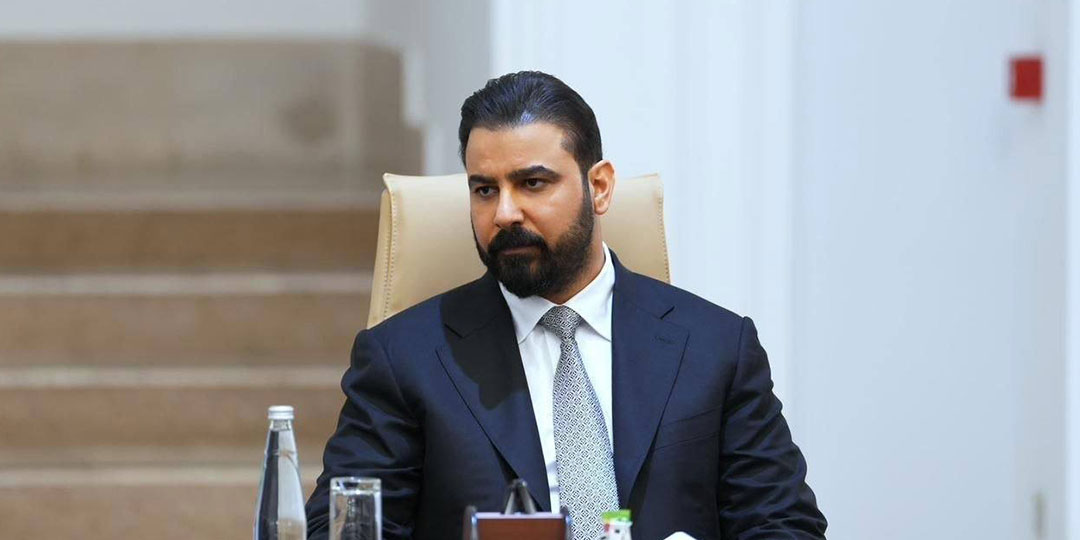

Ali Faleh Al-Zaidi received designation as Iraq’s new Prime Minister, garnering widespread international and regional welcome. The United Kingdom’s Embassy in Baghdad issued formal statement welcoming the designation and expressing British commitment to cooperation with the new government on pressing security and economic challenges. The Islamic Cooperation Organization similarly issued welcoming statement, affirming its expectation to collaborate with Iraq’s new administration in advancing Iraqi regional and international standing and promoting development and stability throughout the region.
Concurrently, incumbent Prime Minister Muhammad Shia al-Sudani issued comprehensive government directives to cabinet ministers facilitating the new government’s operation and providing full support to Al-Zaidi throughout the designation period. Al-Zaidi engaged directly with Jordanian Prime Minister Jaafar Hassan regarding strengthening bilateral cooperation between the two fraternal nations. These developments reflect commitment by multiple parties to ensuring smooth and effective governmental transition.
British Embassy Welcomes Al-Zaidi Designation
The United Kingdom’s diplomatic mission issued formal welcome. Ambassador Irfan Siddiqui stated in official statement: “The United Kingdom welcomes the designation of Iraq’s new Prime Minister.”
The Ambassador added: “We wish Mr. Ali Al-Zaidi success in forming a new government quickly.”
British Priorities and Areas of Focus
The British statement identified specific priorities:
- Security: Critical challenge requiring focused attention
- Economy: Vital portfolio for national development
- Cooperation: British readiness to provide support
- Speed: Necessity for rapid government formation
- Effectiveness: Expectation of efficient government operation
Islamic Cooperation Organization Extends Welcome
The Islamic Cooperation Organization issued supportive statement. Ambassador Muhammad Sameer Al-Naqshbandi, representing the organization in Baghdad, stated: “The Islamic Cooperation Organization’s mission in Baghdad welcomes the designation of Ali Al-Zaidi as Prime Minister of the Council of Ministers.”
Al-Naqshbandi expressed wishes: “For his success in performing his duties during this delicate phase requiring high levels of wisdom and responsibility.”
Organization’s Vision for Future Cooperation
The organization articulated its collaborative vision:
- Regional Role: Strengthening Iraq’s regional position
- International Standing: Supporting Iraq’s global standing
- Development Pathways: Promoting developmental initiatives
- Regional Stability: Contributing to Middle Eastern stability
- Shared Aspirations: Advancing mutual prosperity goals
Al-Zaidi Discusses Cooperation With Jordanian Prime Minister
Jordan’s Premier extended personal congratulations. Official statement noted: “Newly designated Prime Minister Ali Faleh Al-Zaidi received call from Jordanian Prime Minister Jaafar Hassan.”
Prime Minister Hassan conveyed: “Congratulations on his designation as Prime Minister candidate from the largest bloc to form the new government, wishing him success and blessing in his duties.”
Discussion Topics Between Al-Zaidi and Hassan
The telephone conversation addressed:
- Personal Congratulations: Direct support from Jordanian counterpart
- Bilateral Relations: Development of Lebanon-Jordan connections
- Shared Cooperation: Strengthening economic and political partnerships
- Mutual Interests: Advancing shared national interests
- Common Aspirations: Joint vision for prosperity and development
Al-Sudani Issues Government Directives
Incumbent Prime Minister Muhammad Shia al-Sudani issued comprehensive directives. In official statement, Al-Sudani declared: “I have issued a set of directives to cabinet ministers to provide full support to newly designated Prime Minister Ali Al-Zaidi throughout the designation period.”
Al-Sudani emphasized: “Directives focus on facilitating operation of the new government.”
Contents and Implementation of Government Directives
The directives encompassed:
- Central Committee: Establishment to prepare ministerial portfolios
- Ministerial Coordination: Integration across all cabinet departments
- Clear Briefings: Comprehensive summaries of ministry operations
- Performance Evaluation: Assessment of prior government performance
- Professional Standards: Adherence to national and professional integrity
Ministerial Portfolio Transition Mechanism
Al-Sudani specified transition procedures. The Premier stated: “We direct the General Secretariat of the Council of Ministers to establish a central committee with all ministries to prepare ministerial portfolios for each minister.”
Al-Sudani required: “From each minister presentation of clear briefing assisting the new minister in understanding important files.”
Standards for Required Briefings
Al-Sudani established specific criteria:
- Clarity: Simple and comprehensible presentation
- Comprehensiveness: Coverage of essential ministry operations
- Performance Assessment: Evaluation of prior performance
- Personnel Information: Details regarding ministry managers and personnel
- Professional Integrity: Commitment to national and professional ethics
Al-Sudani’s Message Regarding Government Continuity
The Premier emphasized governmental continuity. Al-Sudani stated: “The journey of serving our country and people and building the state will continue amid these serious challenges and difficult turns that have troubled calculations of stable and developing nations.”
This emphasis reflected:
- Institutional Continuity: Government services remain uninterrupted
- Institutional Resilience: Capacity to function amid crisis
- Development Continuation: Ongoing nation-building efforts
- Stable Services: Maintaining public services delivery
- Smooth Transition: Overcoming designation period successfully
Al-Sudani’s Call for Collective Effort
The Premier issued call for comprehensive cooperation. Al-Sudani stated: “The coming phase requires the combined efforts of everyone to continue serving our people.”
This appeal reflected:
- National Unity: Necessity of unified support for new government
- Shared Responsibility: Each party contributes its role
- Common Objective: Service to Iraqi population
- Continuity of Service: Uninterrupted government function
- Smooth Transition: Successfully navigating designation period
Political Context of Al-Zaidi’s Designation
Al-Zaidi’s selection emerged from constitutional procedures:
- Constitutional Authority: Selection by largest parliamentary bloc
- Formal Designation: Official authorization letter from Head of State
- Full Legitimacy: Complete constitutional legitimacy
- Rapid Implementation: Swift transfer of responsibility
- Efficiency Expectations: Anticipated capable execution
Expected Priorities for New Government
Based on official statements, anticipated government priorities include:
Security Sector:
- Achieving security stability
- Countering terrorism effectively
- Protecting national sovereignty
Economic Portfolio:
- Improving economic conditions
- Achieving development objectives
- Creating employment opportunities
Development Initiatives:
- Building modern state institutions
- Developing infrastructure
- Improving public services
International and Regional Role of New Iraqi Government
Statements emphasize expanded international role:
Regional Dimension:
- Strengthening Iraq’s regional position
- Developing cooperation with neighboring states
- Achieving regional stability
International Dimension:
- Improving Iraq’s global standing
- Cooperating with major international powers
- Participating in international organizations
Timeline and Transition Phases
The transition involves multiple phases:
Immediate Phase (Current):
- Portfolio preparation
- Ministerial briefing completion
- Administrative handover
Short-Term Phase (Weeks 1-4):
- Government formation
- Cabinet announcement
- Policy initiation
Medium-Term Phase (Months 1-6):
- Policy implementation
- Development of government programs
- Regional engagement
Challenges Confronting New Administration
Al-Sudani referenced serious challenges:
Security Challenges:
- Ongoing terrorism threats
- Border security issues
- Internal stability concerns
Economic Challenges:
- Economic recovery requirements
- Inflation pressures
- Employment generation needs
Political Challenges:
- Coalition management
- National reconciliation
- Constitutional implementation
International Support Framework
Multiple international actors signaled support:
United Kingdom:
- Willingness to cooperate on security and economic issues
- Diplomatic engagement
- Technical assistance potential
Islamic Cooperation Organization:
- Supporting Iraq’s regional role
- Promoting regional stability
- Development cooperation
Jordan:
- Bilateral cooperation strengthening
- Trade and economic partnership
- Regional coordination
Expectations for Government Performance
International and regional statements convey specific expectations:
Quick Action:
- Rapid government formation
- Swift policy implementation
- Immediate problem-solving
Competence:
- Effective administration
- Professional management
- Technical capability
Stability:
- Security maintenance
- Economic improvement
- Social cohesion
Conclusion:
Ali Al-Zaidi’s designation as Iraq’s new Prime Minister marks a critical juncture in Iraq’s political trajectory. Widespread international and regional welcome to the designation signals positive expectations regarding the new government’s direction. Government directives from Al-Sudani reflect commitment to smooth and effective transfer of power.
The new government confronts serious challenges across security, economic, and political dimensions. Al-Zaidi’s success requires comprehensive cooperation from all political and administrative parties. The coming period proves decisive in determining Iraq’s capacity to overcome current challenges and achieve the stability and development that the nation requires. International support, regional cooperation, and internal political consensus provide foundation for the new administration’s potential success in addressing Iraq’s most pressing challenges.