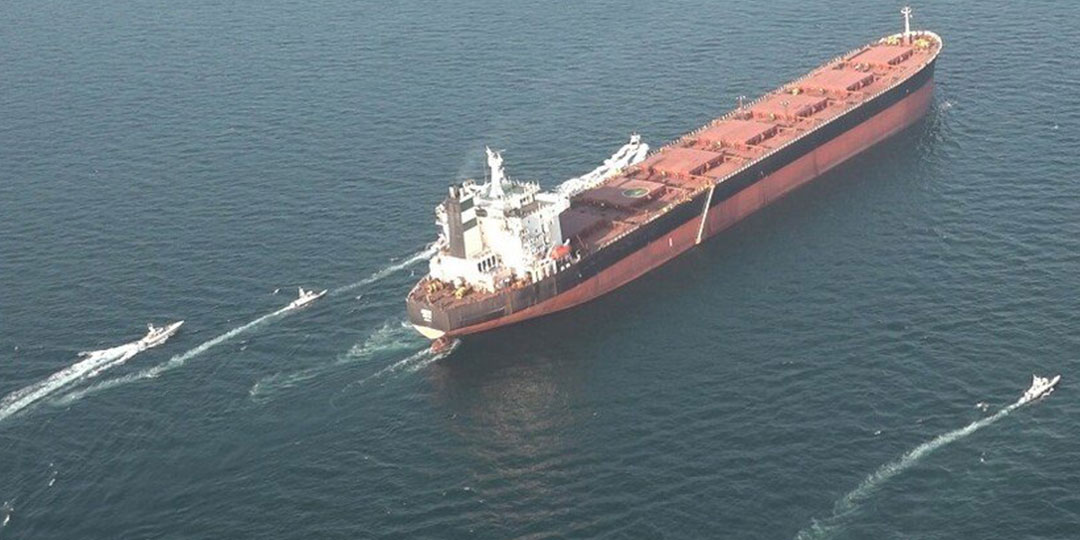

The International Maritime Organization has developed a comprehensive evacuation plan to remove hundreds of vessels trapped in the Arabian Gulf following the closure of the strategically critical Strait of Hormuz. IMO Secretary-General Arsinee Dominguez stated the plan is ready for immediate deployment once “clear indicators of de-escalation” emerge in the ongoing regional conflict.
The announcement comes amid a deepening humanitarian crisis affecting approximately 20,000 seafarers stranded aboard roughly 2,000 vessels unable to transit the blocked waterway. The IMO leadership urged countries and international organizations to provide urgent humanitarian assistance to isolated crews, particularly regarding improved communication capabilities with their families.
Evacuation Strategy Hinges on Security Improvements
Dominguez clarified that the IMO is currently negotiating precise operational details for the evacuation, including the sequencing of vessel departures and complex logistical considerations. These factors encompass crew duration on affected vessels, security risks, and capacity to provide logistical support to transiting ships.
The maritime body decided against implementing the evacuation plan until clear security guarantees materialize. The IMO has instructed all vessels to refrain from transiting the Strait of Hormuz until safety measures are confirmed, warning of severe risks to maritime navigation in the region.
Escalating Humanitarian Crisis for Thousands of Seafarers
Approximately 20,000 seafarers aboard stranded vessels await their fate under extremely difficult conditions. Dominguez warned that these mariners are “experiencing extreme levels of psychological stress and physical exhaustion” resulting from prolonged isolation aboard ships with limited mobility or prospects for departure.
International support for stranded seafarers varies significantly. Some nations have established 24-hour hotlines offering psychological and medical assistance, while others have provided food and medical supplies to crews. However, Dominguez emphasized the urgent need for enhanced humanitarian efforts on a broader scale.
Immediate Humanitarian Priorities for Seafarers
The IMO chief identified critical humanitarian needs requiring immediate attention:
- Provision of internet connectivity (WiFi) on vessels to enable family communication
- Specialized psychological and medical support services for isolated crews
- Guaranteed access to adequate food and medical supplies for all vessels
- Facilitation of crew changes and relief for mariners whose contracts have ended
- Establishment of emergency communication lines for critical medical cases
Impact of Strait Closure on Global Maritime Trade and Economy
The Strait of Hormuz holds paramount strategic importance for the transport of oil and natural gas worldwide. Approximately 30 percent of global petroleum supplies transit through the waterway, making any disruption of critical significance to international markets.
The blocking of maritime transit through the Strait has resulted in a massive accumulation of vessels awaiting safe passage. Shipping companies face substantial financial losses due to repeated delays and additional charges. Market concerns over a prolonged crisis have driven oil and gas prices to record levels, affecting both regional and global economies.
United Nations Response and International Coordination
The United Nations has formally responded to the humanitarian crisis. The head of the UN maritime affairs agency called on international organizations and coastal states to fulfill their responsibilities toward stranded seafarers.
The UN emphasized that protecting maritime workers and upholding their human rights constitute paramount priorities in any resolution of the current crisis. The organization demanded that basic wireless communication (internet access) be provided as a minimum humanitarian standard, enabling crews to maintain contact with families.
Potential Scenarios for Crisis Resolution
The IMO’s evacuation plan implementation depends on developments in regional security conditions. Dominguez specified that executing the plan requires:
- Demonstrable and sustained improvement in the region’s security and political environment
- Guarantees from all parties against targeting commercial and civilian vessels
- Establishment of internationally recognized safe passage corridors through the Strait of Hormuz
- Implementation of international oversight mechanisms ensuring evacuation operation safety
The IMO has proposed establishing an international joint committee comprising representatives from Gulf states and major powers to oversee the process and guarantee the safety of all vessels and crews.
Conclusion:
The current crisis reflects the expanding humanitarian and economic consequences of regional conflict. The disruption of Strait of Hormuz passage affects not only global economic levels but also the lives of thousands of seafarers working far from home. The IMO’s evacuation plan hinges on improved security conditions, leaving maritime stability prospects contingent on the trajectory of broader Middle East peace negotiations.