
Saudi–UAE tensions have continued since late 2025, with diplomatic efforts led by Bahrain and supported by Egypt seeking to contain the dispute between the two Gulf states, according to multiple sources who spoke to AFP.
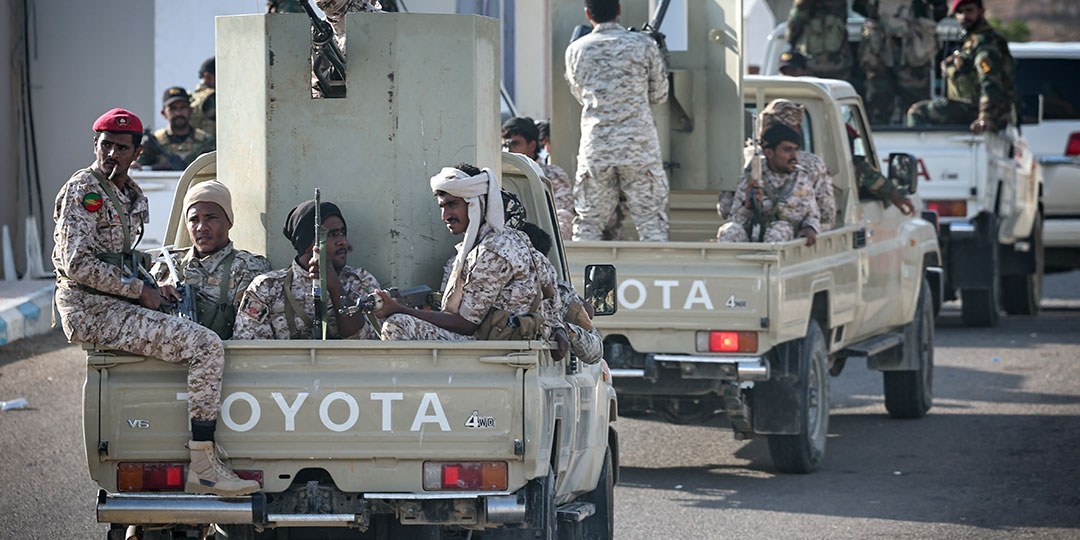
The disagreement reportedly peaked in December, when Saudi Arabia accused the United Arab Emirates of supporting southern Yemeni separatists who briefly took control of areas near the Saudi border.
Although diplomatic relations have not been formally severed, high level contacts between Riyadh and Abu Dhabi have reportedly halted since the last week of December.
Roots of Saudi–UAE Tensions
The escalation began in late 2025 when Saudi Arabia accused the UAE of backing southern separatists in Yemen. Those forces briefly seized areas close to the Saudi border, a move Riyadh viewed as a direct threat to its national security.
Yemen has long been a sensitive file in Saudi–Emirati relations, despite both countries being part of the military coalition that intervened in Yemen in 2015. Differences over local allies and political arrangements have periodically surfaced in recent years.
According to several sources cited by AFP, no senior diplomatic meetings have taken place between the two capitals since the end of December, reflecting a continued political freeze despite open communication channels.
Bahrain Leads Mediation Efforts
A Gulf official, speaking to AFP on condition of anonymity due to the sensitivity of the matter, said Bahrain is leading mediation efforts aimed at resolving what was described as a “misunderstanding.”
The official said the initiative seeks to:
Bridge differences between Riyadh and Abu Dhabi
Restore high level political dialogue
Preserve Gulf unity
He stressed that the move is a Bahraini initiative and not a formal step by the Gulf Cooperation Council, adding that “this is a Gulf issue and it should be resolved within the Gulf.”
This week, Bahrain’s Crown Prince and Prime Minister Salman bin Hamad Al Khalifa met Saudi Crown Prince Mohammed bin Salman in Riyadh and UAE President Sheikh Mohammed bin Zayed in Abu Dhabi.
Egypt Relays Messages Between the Two Capitals
In parallel with Bahrain’s efforts, a regional Gulf source said Egypt has been playing a supportive role by relaying messages between the two sides.
“Misr is engaged in a form of mediation and message passing between Saudi Arabia and the UAE,” the source told AFP.
On January 5, the Saudi foreign minister met his Egyptian counterpart Badr Abdelatty in Cairo and also held talks with President Abdel Fattah al Sisi. The following day, Abdelatty spoke by phone with UAE Foreign Minister Sheikh Abdullah bin Zayed.
The same source said Egypt conveyed Saudi messages to the Emirati side as part of attempts to ease tensions and reopen political channels.
Saudi Position and Lack of Official Comment
A source close to the Saudi government told AFP that “there is no need for mediation,” emphasizing that direct communication channels between Riyadh and Abu Dhabi remain open.
However, neither Saudi nor Emirati officials have issued public statements regarding the reported mediation efforts. AFP said it contacted officials in Saudi Arabia, the UAE and Bahrain, but some declined to comment while others did not respond.
Conclusion:
Saudi–UAE tensions remain a sensitive issue within the Gulf political landscape. While mediation efforts led by Bahrain and supported by Egypt are underway, official silence from both capitals suggests that discussions are being handled through discreet diplomatic channels.