
Iraqi authorities have concluded their investigation into last week’s attack on a gas field in the Kurdistan Region in northern Iraq, determining that the perpetrators are “outlaws” whose identities and motives have not been disclosed. Authorities confirmed that the field, which has been repeatedly targeted, will be supplied with “air defense systems.”
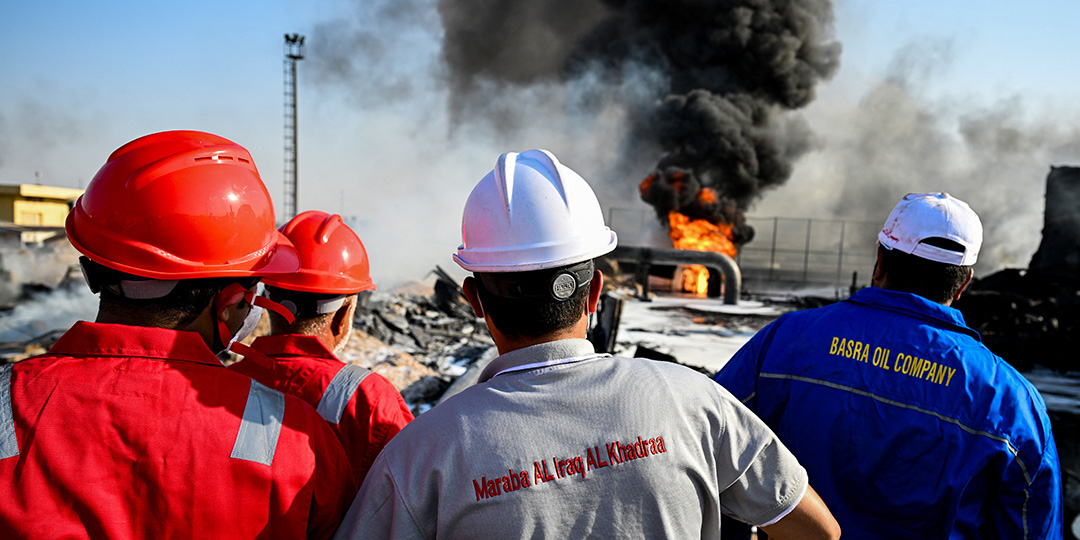
On 26 November, the Kormor gas field, operated by the UAE-based company Dana Gas in northern Iraq, was attacked, causing a complete halt of gas supplies to power plants for more than two days, according to local authorities. No group claimed responsibility for the attack.
Following the incident, Baghdad formed a committee to investigate the circumstances.
The investigation found that the attack was carried out using “two drones,” one of which hit the field while the other fell outside it, according to a statement Wednesday evening by Sabah al-Numan, military spokesperson for the caretaker Prime Minister Mohammed Shiaa al-Sudani.
He noted that the drones were launched from “south of the field, from areas east of Tuz Khurmatu district” in Salahuddin province in northern Iraq.
Al-Numan added that “the names of the perpetrators of this eleventh attack on the field have been identified” and that they are “outlaws, with arrest warrants issued against some of them.”
He emphasized that “this terrorist act will not go unpunished, and strict legal measures will be taken against those responsible.”
The Baghdad government will work with the Erbil administration to equip the field with “air defense systems and ensure its protection,” as well as redeploy security forces in the eastern Salahuddin operational sector “to close any security gaps.”
A source close to the investigative committee told AFP that the perpetrators belong to “a small group affiliated with the Popular Mobilization Forces,” which are part of the official forces, and “sometimes operate independently for foreign agendas.” The source added that the motives remain unclear.
In recent years, the Kormor field, located between the cities of Kirkuk and Sulaymaniyah—the second-largest city in the region of over 6.5 million people—has been targeted by multiple drone or rocket attacks.
Kurdish politicians and officials have blamed Iran-backed armed factions for these attacks.
In early February, the field was targeted by a drone attack that caused no damage, with local authorities blaming “outlaw militias.” At the end of April 2024, four Yemeni workers were killed in a drone strike on the field.
In June and July of this year, several drone attacks, mainly targeting oil fields, caused significant material damage across Kurdistan. No group has claimed responsibility for any of these incidents.